
Published on
August 21, 2025

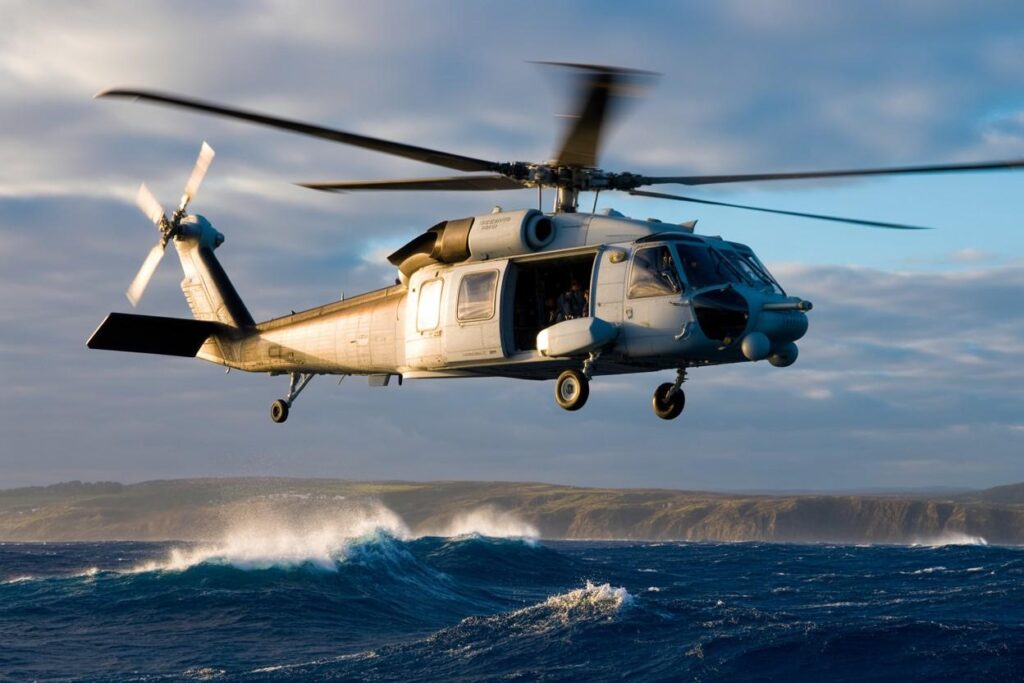
New Zealand has announced a significant investment of NZ$2.7 billion (approximately $1.6 billion USD) to acquire five MH-60R Seahawk maritime helicopters and two Airbus A321XLR aircraft, marking a major upgrade to the country’s aging defense fleet. The decision comes as part of New Zealand’s ongoing efforts to enhance its military capabilities in response to increasing global security concerns. This investment, made in coordination with the U.S. Foreign Military Sales program, highlights New Zealand’s commitment to a safer, more secure future, while also potentially impacting its tourism and aviation sectors.
The announcement aligns with New Zealand’s Defence Capability Plan, which was initially unveiled in April 2025, calling for a robust defense investment strategy aimed at enhancing the nation’s defense infrastructure. This includes increasing defense spending by NZ$9 billion over the next four years and aiming to double defense spending to two percent of GDP by 2033. While the country focuses on national security, these aerospace investments could also play a role in enhancing the tourism sector, as modernized fleets provide more reliable services for both security and civil aviation needs.
Improving National Security: Maritime Helicopters and Airbus Aircraft
The maritime helicopters are expected to be a key asset for New Zealand’s naval operations, enhancing the country’s ability to respond to maritime threats and conduct search-and-rescue operations in its expansive ocean territories. These MH-60R Seahawk helicopters, manufactured by Lockheed Martin’s Sikorsky unit, will increase the capability of the New Zealand Defence Force (NZDF), allowing the nation to better manage its maritime domain and improve security in the region. The acquisition of these aircraft is a direct response to global security challenges, including growing concerns over foreign interference and increasing espionage threats, particularly from major geopolitical players such as China.
The second part of the investment includes the purchase of two Airbus A321XLR aircraft, which will replace New Zealand’s aging Boeing 757 fleet. These new Airbus jets will serve not only as military assets but also as civilian transport for government officials, allowing New Zealand to bolster its connectivity for tourism, business travel, and diplomatic engagements. The new Airbus aircraft are expected to enhance tourism opportunities by offering greater capacity and reliability for international travel to and from New Zealand.
Boosting Tourism with Modernized Aviation Infrastructure
While the primary focus of the investment is national security, the acquisition of Airbus A321XLR jets also has implications for tourism in New Zealand. The more reliable and efficient aviation fleet will help strengthen the tourism sector, especially as the country continues to recover from the pandemic and strives to improve its global connectivity. The A321XLR model is specifically designed for longer flights, making it ideal for direct routes between New Zealand and key international destinations, such as Australia, Asia, Europe, and the U.S.
Increased tourism flow is anticipated as the improved aviation connectivity opens up new routes for international travelers, thus benefiting the tourism industry. With the world gradually reopening and international travel ramping up, the ability to efficiently move tourists to New Zealand will likely result in increased demand for leisure travel, cultural experiences, and business events.
Defense Investment Meets Economic Growth
In addition to strengthening national security, the investments in aircraft and helicopters will positively impact New Zealand’s economy and provide an opportunity to enhance tourism in the long term. The availability of reliable aviation services will promote New Zealand as an attractive tourism destination, where travelers can experience the natural beauty, adventure tourism, and cultural heritage that the country is known for.
As the country invests in its defense infrastructure, these efforts will also support economic growth by ensuring the safety and stability required for successful tourism operations. A secure and well-connected destination like New Zealand will continue to attract tourists seeking both relaxation and adventure, ensuring a vibrant future for tourism in the region.
Expanding Global Reach and Strategic Importance
New Zealand’s decision to enhance its defense capabilities with maritime helicopters and Airbus aircraft underscores its growing importance on the global stage. The investments are expected to improve its military readiness, while also providing a platform for sustainable tourism growth as the world becomes more interconnected.
By investing in modern aviation infrastructure, New Zealand is making strides in becoming a more globally connected and secure destination, benefiting both its tourism sector and national security. As international travelers increasingly seek destinations that offer safety, reliability, and unique experiences, New Zealand is well-positioned to thrive in the evolving global tourism landscape.
A Dual Impact on Security and Tourism
With its investment in aerospace technology and aviation infrastructure, New Zealand is setting the stage for a stronger, more secure nation while simultaneously boosting tourism through improved connectivity and modern facilities. As the A321XLR aircraft enhance tourism opportunities and maritime helicopters strengthen security, these moves will help ensure New Zealand remains a prime destination for travelers, all while securing its position as a stable, attractive market for tourism and economic growth.
