
Published on
August 23, 2025

La Spezia: Gateway to Tuscany’s Hidden Corners
It was widely suggested that the quiet experiences offered in La Spezia, Lari, and the Tuscan countryside carried lessons that extended far beyond Italy itself. Observers believed the excursion captured the essence of a shift within global travel. They indicated that authenticity was gradually overtaking spectacle, and immersion was being chosen over hurried sightseeing.
Commentators also implied that as the world continued to move beyond the disruptions of the recent pandemic, interest in heritage-centered and small-scale travel would only intensify. Many argued that these quieter destinations demonstrated the balance travelers now sought: while the allure of cultural capitals such as Florence would never diminish, there was a rising hunger for hidden gems that felt personal and unspoiled.
For global tourism planners, the consensus was that destinations everywhere could learn from this balance. It was said that the future of travel lay in creating access to both the iconic landmarks and the intimate experiences that revealed life behind the postcards.
Analysts emphasized that:
- Travelers were prioritizing meaningful connections with local life.
- Weighing time spent traveling against time spent experiencing had become essential.
- Cuisine and family heritage were shaping journeys as much as monuments and museums.
Industry voices concluded that this dual demand would reshape global tourism, creating opportunities for regions once overshadowed by their urban neighbors.
Intimacy Versus Iconic Splendor
It was remarked that the Tuscan excursion spoke most directly to travelers who valued intimacy rather than grandeur. Those who had previously explored Florence’s artistic corridors or posed beneath the Leaning Tower of Pisa said they discovered richer meaning in the smaller, slower setting.
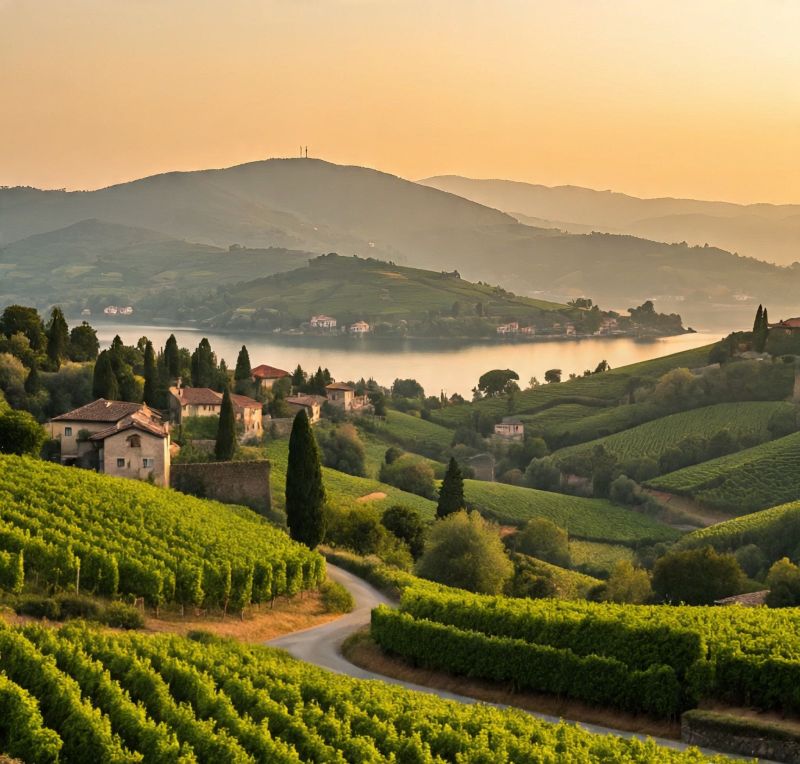
Observers noted that travelers appreciated the absence of large crowds and the freedom from rushing between monuments. The countryside offered a pace where deeper textures of daily life could be noticed—the rhythm of markets, the presence of family traditions, and the quiet beauty of rolling hills.
However, analysts warned that first-time visitors might regret bypassing Florence. It was said that the Renaissance capital still held an unrivaled status in the travel world. They argued that no amount of rustic charm could fully substitute the impact of standing inside the Uffizi Gallery or crossing the historic Ponte Vecchio.
Experts suggested framing the decision as a matter of balance. They explained that returning travelers might be best suited for hidden gems such as Lari, while newcomers should prioritize world-famous sites. Both sides, they said, represented different yet equally valuable stages in a traveler’s journey.
Discovering the Charm of Lari
Accounts described Lari as a town that revealed its charm almost immediately. Observers pointed out that its central square was modest, anchored by a single café-pastry shop where both locals and visitors gathered. Travelers were said to have found forty-five minutes sufficient to explore the medieval fortress, stroll through narrow lanes, and enjoy sweeping views of the surrounding Tuscan landscape.
It was noted that during August, the town’s renowned pasta factory was closed, removing one of its regular highlights. Still, many commented that this did little to diminish the character of the town. Even stepping aside for passing cars while navigating narrow streets without sidewalks was described as part of its authentic atmosphere.
Industry analysts suggested that Lari’s strength lay precisely in its lack of mass tourism. They explained that where larger cities could overwhelm visitors with noise and movement, this village provided an environment where reflection and authenticity were possible. It was said to be a place where one could sense history and tradition in the simplest of daily rhythms.
Centuries of Family Heritage
Commentators noted that the visit to the Vialto farm, a property with roots stretching back to 1368, offered guests a direct encounter with centuries of continuity. It was highlighted that the same family had maintained the estate across five generations, and this inheritance was visible in every detail—from poplar trees destined to become furniture, to bottles of homemade liqueurs lining the shelves.
Travelers were invited not only to enjoy food but also to browse a small shop offering goods tied directly to the farm’s legacy. Analysts said many visitors purchased keepsakes such as handcrafted liqueurs or traditional sweatshirts, regarding them not as souvenirs but as symbols of belonging.
It was remarked that this stood in stark contrast to the transactional shopping experiences often found in busy city centers. Experts argued that such family-based traditions represented the kind of sustainable tourism modern travelers were increasingly seeking.
A Rustic Tuscan Feast at a Family Farm
Participants recalled that the farmhouse meal ranked among the most memorable parts of the day. It was described how travelers arrived by horse-drawn carriage, passing through rows of tall poplar trees, creating a sense of stepping into another century.
Lunch was served outdoors under the heat of the Tuscan sun, with long communal tables encouraging conversation among strangers who quickly became companions. Diners tasted cheese drizzled with honey, slices of salami, two types of freshly made pasta, and finished with a serving of coffee gelato.
Commentators emphasized that the simplicity of the menu was precisely what gave it strength. They noted that the food was not designed to impress with extravagance but to connect travelers to the land and its traditions. This, they explained, was a form of hospitality that extended beyond the meal itself. It left behind a memory of generosity, proving that food could act as one of the strongest cultural bridges in tourism.
How Travel Logistics Framed the Experience
Observers noted that the structure of the day was shaped heavily by transport logistics. The drive from La Spezia to Lari was said to last about ninety minutes, followed by another half-hour to the farmhouse, with the return journey lengthened by heavy traffic.
It was reported, however, that the hours on the road were not wasted. Guides were said to have filled the rides with vivid stories of marble cliffs, the practice of pine nut harvesting, and anecdotes about regional history. Their humor and colorful commentary were seen as adding value, transforming what might have been idle time into mobile cultural education.
Even so, participants questioned whether the excursion leaned too heavily toward transportation rather than on-the-ground immersion. Analysts remarked that this tension between time spent moving and time spent experiencing was not unique to Tuscany but rather a challenge faced throughout global tourism.
Choosing an Alternative Path in Tuscany
Travelers departing from La Spezia were said to face a decision: visit the world-renowned treasures of Florence and Pisa, or journey into the quieter Tuscan countryside. Those who opted for the countryside spoke of a day that was serene, authentic, and deeply rewarding, though they acknowledged that the choice involved trade-offs.
The path through Lari and the farmhouse was described as offering a personal glimpse into rural Italian life, contrasting with the crowded avenues of Florence. For travelers who had already visited the city or who wished to avoid the stress of large crowds, this quieter excursion was said to be ideal.
At the same time, it was acknowledged that those longing to once again immerse themselves in Florence’s cultural richness might find the countryside tour less satisfying. Advisors suggested that when ships arrived early, visitors should seize the opportunity to reconnect with the Renaissance capital’s unmatched treasures.
Implications for the Global Travel Industry
Analysts explained that the Tuscan excursion had broader implications for international tourism. It was thought to illustrate the growing desire for meaningful experiences, with travelers increasingly choosing authenticity, intimacy, and cultural immersion over standardized itineraries.
This raised important considerations for the industry:
- Balancing logistics with immersive experiences would be key in designing future tours.
- Supporting family traditions and local economies could become a central pillar of sustainable tourism.
- Both iconic capitals and hidden gems needed to be part of travel offerings, allowing visitors to decide based on their personal journey.
It was suggested that as the appetite for authentic encounters continued to grow, regions worldwide—whether in Europe, Asia, Africa, or the Americas—could benefit by highlighting not just their major attractions but also their overlooked towns and traditions.
Observers concluded that the story of La Spezia, Lari, and the Tuscan farm was not only about one corner of Italy, but about the future of global tourism itself.
