
Ever since a group of seven strangers started living together and started getting real, reality television has had as many critics as fans. Aiming a camera at a “regular” person and exploiting them for ratings gold was either inspiring or exploitative, depending on who you asked. With the recent release of the Netflix documentary Fit for TV: The Reality of The Biggest Loser another series has been exposed as being even worse than critics thought, and this time, it was the contestants themselves who were happy to see the long-running series get canceled in 2020.
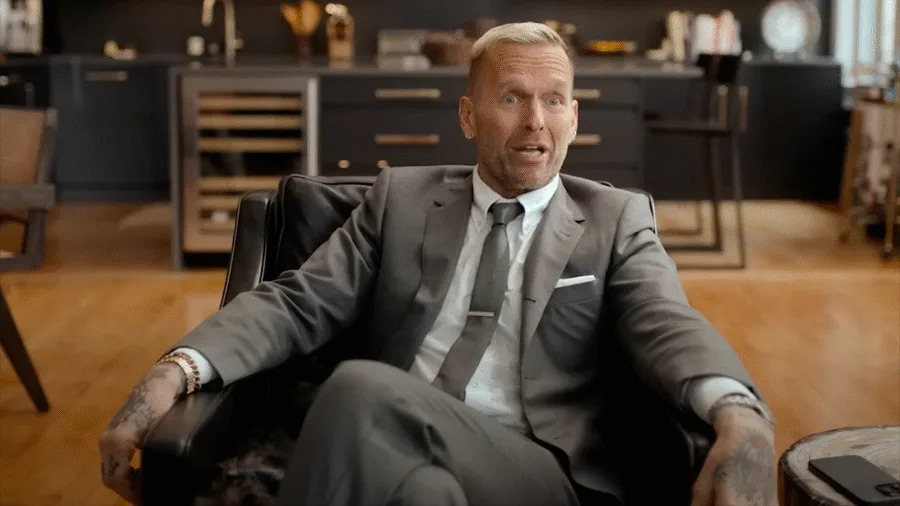
Upon its launch in 2004, The Biggest Loser wanted to inspire America through the radical transformation of overweight, often obese, everyday people with nothing more than diet, exercise, and the will to compete for the cash jackpot. For most of the show’s run, fitness trainers Bob Harper and Jillian Michaels coached their teams onsite at The Biggest Loser Ranch, competing each week to lose the most weight and stave off elimination. To spice up the formula, different seasons had themes, including Couples, Battle of the Ages, Second Chances, and later seasons brought in different trainers, including a one-season stint by tennis legend Anna Kournikova, but no matter the theme, the goal was the same: lose weight for fame and glory.
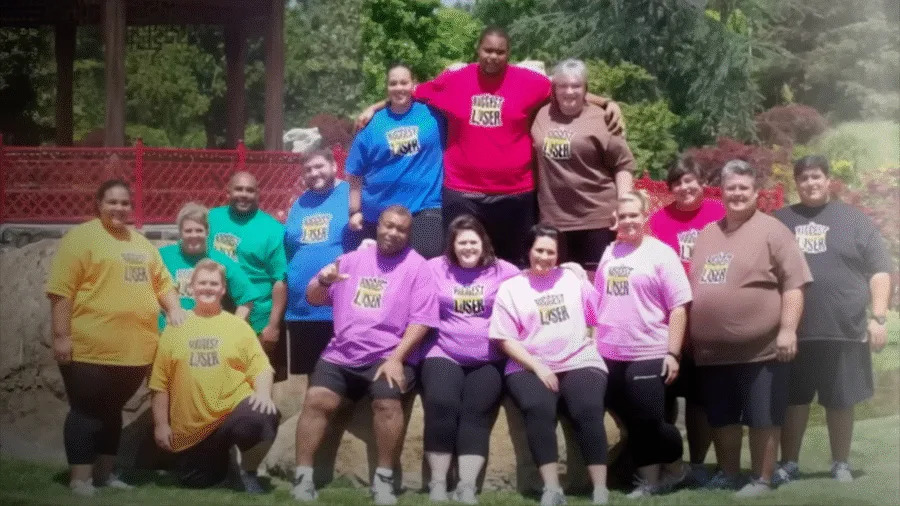
The stated goal was to lose the weight to improve their lives and stave off the health issues associated with obesity, but that was never the real goal of the production. Fit for TV: The Reality of The Biggest Loser makes it clear through interviews with contestants, including winners Ryan Benson (Season 1) and Danny Cahill (Season 8), both of whom discussed the extreme lengths they went to win, which included fasting for multiple days. Joelle Gwynn (Season 7) explained the sheer horror of Week 1 on the Ranch, where contestants had to burn at least 6,000 calories a day.
All of that, and as the documentary has made public, contestants had to survive on 800 calories a day. That’s less than half of the recommended daily intake for a healthy adult, and trainer Bob Harper didn’t seem to think there was anything wrong with how little the contestants ate or how they worked out for over 8 hours a day. Fit for TV: The Reality of the Biggest Loser goes further and alleges the production crew passed out caffeine pills to keep the contestants going, without the on-site medical staff knowing about it.
Fit for TV left out an important voice when discussing the series’ rise and fall: Jillian Michaels. The celebrity trainer refused to take part in the documentary and has since accused it of being biased and distorting the truth.
Critics of The Biggest Loser, including former contestants, healthcare professionals, and personal trainers, are feasting on Netflix’s latest hit documentary series. Shows like this are designed to prey on our base emotions and get us invested, to the point where we’d think about spending thousands to stay at The Biggest Loser Ranch, which became a weight loss retreat destination for a few years.
The Biggest Loser sold the public on the promise that all you needed to better yourself was to eat right, work hard, and have the will to win. The documentary claims genetics plays a huge role in weight loss, and that’s why almost every contestant regained the weight once they left the show and the cameras stopped rolling.
Five years after the series was canceled for good, the show’s lasting legacy is that there are no fast solutions to improving your health. Except to always wear sunscreen.
Fit For TV: The Reality of The Biggest Loser is now streaming exclusively on Netflix.