
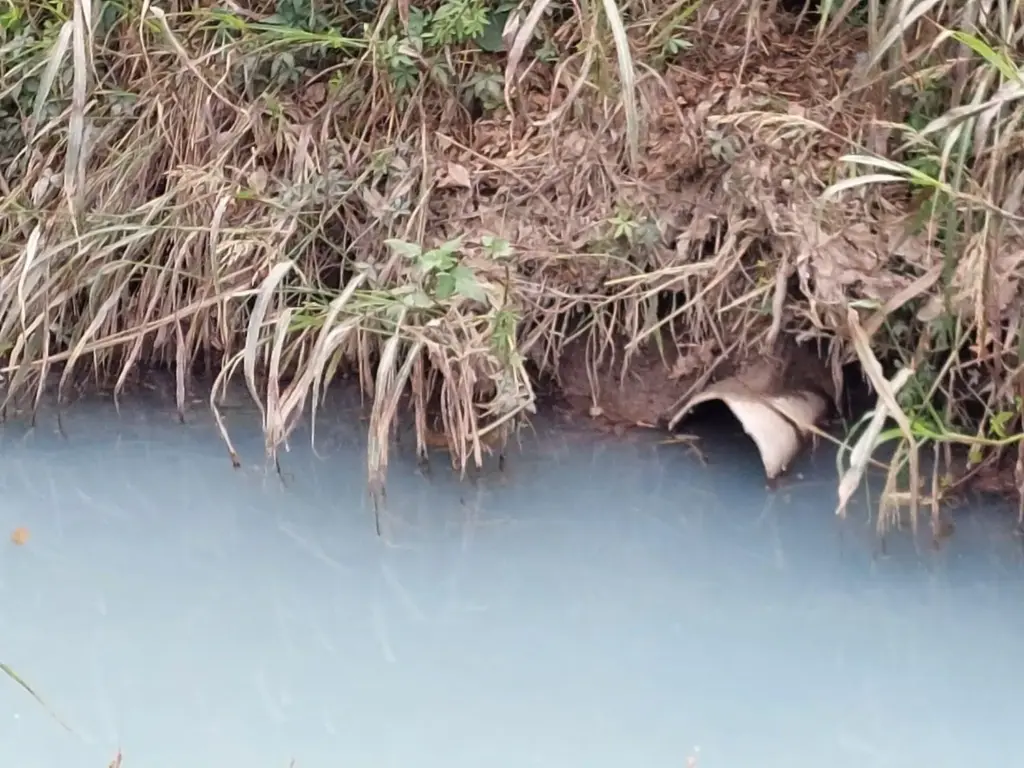
The Guarantees Court No. 4 of Paraná, led by Dr. Julián Vergara, has ruled in favor of an Environmental Protection Lawsuit filed by 11 residents of Crespo, ordering the Municipality to immediately halt the irrigation of streets with water extracted from the N50151/2, S30052, and Hondonada de la Cruz streams, after confirming high levels of pollution.
Ignored complaints and compelling evidence
Residents, council members, and previous studies have been warning about the use of contaminated water since 2023.
The lawsuit, represented by Dr. Juliana Colja, was based on previous technical studies, disregarded citizen complaints, and unanswered legislative inquiries.
Residents reported that the municipal sewage system has serious flaws, leading to untreated discharges into water bodies, which are then used to irrigate dirt roads, exposing the population to direct health risks.
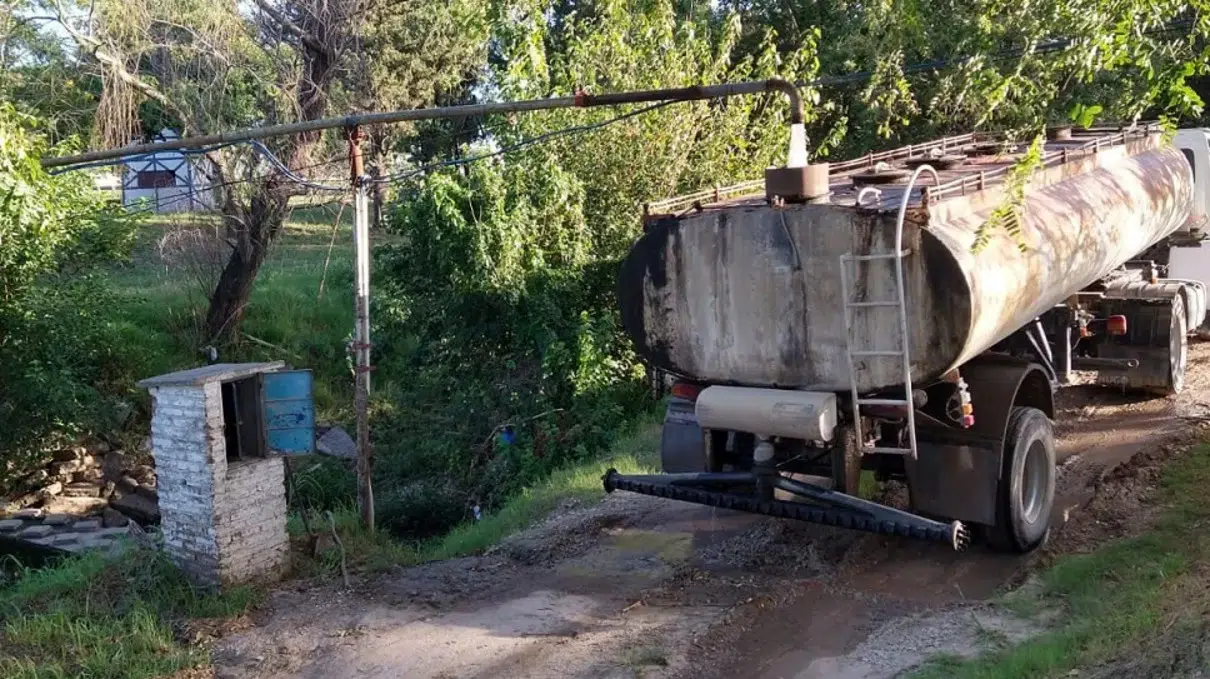 Historic ruling due to contaminated water in Crespo, Entre Ríos
Environmental assessment: severe pollution and health risks
The Provincial Environment Secretariat confirmed the presence of harmful agents in the streams.
A technical assessment conducted by a chemical engineer, based on samples taken by the Entre Ríos Environment Secretariat, confirmed the serious contamination of the streams used for irrigation.
The report warns that this practice poses a clear risk to public health, especially for municipal workers and vulnerable groups.
Judicial provisions: urgent measures to clean up the system
The ruling requires expertise, monitoring, and public communication of the results. Judge Vergara ordered the Crespo Municipality to:
- Suspend the use of contaminated water for irrigation or any other purpose, until analysis confirming its suitability is available.
- Conduct a comprehensive assessment of the sewage system (pipes, pumping stations, and stabilization ponds) within 30 days, under the supervision of the Environment Secretariat and with public dissemination of the results.
- Implement systematic monitoring of stream quality, with periodic sampling.
- Inform the Provincial Legislature about the lack of specific regulations regarding urban irrigation water quality, for legislative consideration.
Precautionary principle and environmental rights: a significant precedent
The judiciary demands greater municipal responsibility in the management of water resources.
This ruling reinforces the application of the environmental precautionary principle, enshrined in Argentine legislation, and the validity of the constitutional right to a healthy environment.
The resolution demands greater responsibility from municipalities in managing their sewage systems and water resources, and acknowledges the active role of organized citizens in defending the common good.