
Published on
August 30, 2025

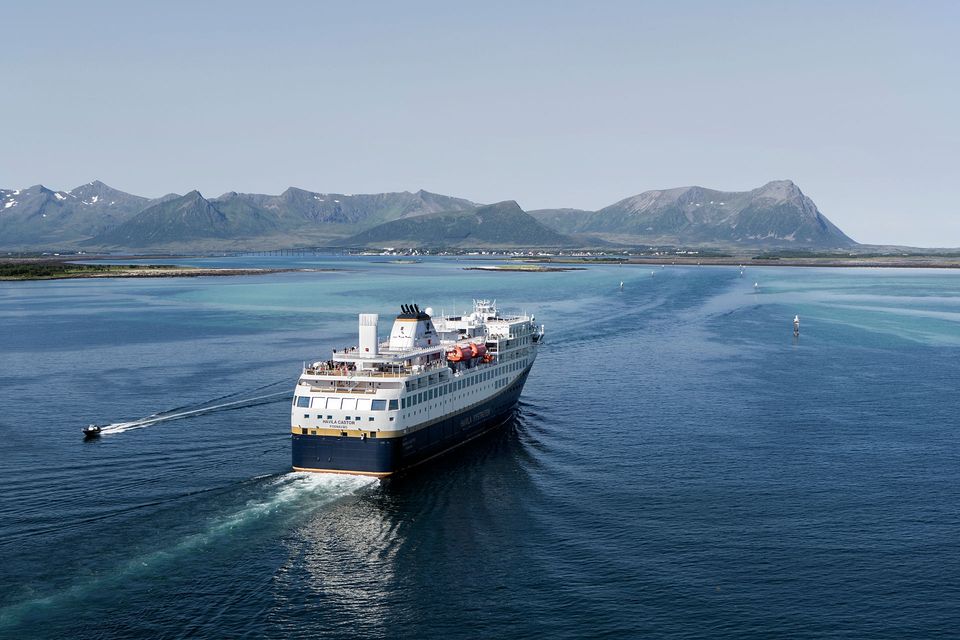
Norway, known for its stunning fjords, pristine coastal landscapes, and commitment to environmental sustainability, is taking a significant step towards a greener future in the tourism sector. Havila Voyages, a Norwegian cruise line, has unveiled plans to launch the world’s longest climate-neutral cruise. This innovative initiative marks a milestone in the cruise industry’s efforts to combat its environmental impact, particularly the cruise ships’ carbon emissions. The proposed 12-day voyage will cover 9,260 kilometers, traveling the scenic coastal route from Bergen to Kirkenes and back. As global awareness of climate change grows, cruise companies face increasing pressure to reduce their carbon footprints, with Norway at the forefront of this green revolution.
In collaboration with marine technology provider HAV Group, Havila Voyages is pioneering the use of biogas and advanced battery technology to make the entire 12-day journey emission-free by 2030. This move sets a new standard for sustainable travel and highlights the country’s role in promoting eco-friendly tourism practices. By introducing this ambitious project, Norway is positioning itself as a global leader in sustainable tourism, offering eco-conscious travelers the opportunity to explore its breathtaking coastline while minimizing environmental harm.
Norway’s Pioneering Effort in Sustainable Cruising
- A 12-Day Voyage: Spanning the length of Norway’s beautiful coast, the proposed journey from Bergen to Kirkenes will be the world’s longest climate-neutral cruise, covering over 9,000 kilometers.
- Climate-Neutral Commitment: Using a combination of biogas and battery storage, the cruise will offset its total greenhouse gas emissions, aligning with global efforts to tackle climate change.
- Zero Emissions by 2030: Havila Voyages plans to make this 12-day journey fully emission-free by 2030, marking a significant leap forward in reducing the environmental impact of the cruise industry.
- Technological Innovation: The use of biogas – a renewable fuel derived from organic waste – alongside large battery packs sets a new benchmark for how the cruise industry can balance luxury travel with sustainability.
- Partnerships for a Green Future: By teaming up with HAV Group, Havila Voyages ensures that cutting-edge marine technology will be utilized to achieve a more sustainable cruising experience, laying the foundation for broader industry changes.
The Shift Towards Green Travel in the Cruise Industry
Cruise tourism, once seen as an indulgence in excess, has long been criticized for its environmental footprint. In recent years, the industry has faced increasing scrutiny over its carbon emissions, with many ships burning large quantities of fuel to power their engines and facilities. According to reports from the International Council on Clean Transportation, cruise ships emit approximately 250 grams of carbon dioxide per passenger-kilometer – a stark contrast to planes, ferries, and trains, which have much lower emissions per passenger.
As climate change concerns continue to rise, travelers and environmental groups are pressuring cruise lines to adopt more sustainable practices. The latest initiative from Havila Voyages is part of a broader movement within the industry to make cruising more eco-friendly. The company’s commitment to a climate-neutral cruise comes at a time when governments and citizens worldwide are demanding greater accountability from industries that contribute significantly to global emissions.
Technological Innovations Leading the Way
- Biogas and Batteries: The cruise line’s innovative approach combines the use of biogas with large battery packs, allowing the ship to run on renewable energy sources and significantly reduce carbon emissions. This hybrid technology offers a promising solution to the environmental challenges facing the cruise industry.
- Battery-Powered Cruises: Currently, Havila Voyages’ ships can sail emission-free for up to four hours using battery packs, but the upcoming test will be a major step forward in achieving complete climate neutrality for the entire voyage.
- Sustainability as a Selling Point: The cruise line’s focus on sustainability is increasingly appealing to eco-conscious travelers. With more people choosing to prioritize environmental concerns when planning vacations, the market for green tourism is expanding rapidly.
- Collaboration with HAV Group: HAV Group, a leader in marine technology, is working closely with Havila Voyages to ensure that the necessary infrastructure for biogas fuel is available along the coast. This partnership aims to overcome logistical challenges and ensure that the project succeeds.
Global Impact and Future Prospects
The success of this climate-neutral cruise could have far-reaching implications for the global cruise industry. Norway, with its vast network of fjords and scenic coastal routes, is an ideal testing ground for these technologies. If Havila Voyages is able to achieve its ambitious goal of fully emission-free voyages by 2030, it could inspire other cruise lines and maritime companies to follow suit. Furthermore, the move aligns with Norway’s broader environmental goals, which include reducing the country’s carbon footprint and promoting sustainable tourism.
Other cruise companies are also making strides in the right direction. Norwegian competitor Hurtigruten is working on a zero-emission cruise ship, set to launch in 2030, that will utilize a 60-megawatt battery pack. Similarly, Viking is building the world’s first hydrogen-powered cruise ship, which will be ready for delivery by late next year. These developments showcase the growing trend towards greener cruising options.
Cruising Towards a Sustainable Future
- The Pressure to Decarbonize: Cruise lines are under increasing pressure from governments, passengers, and environmental groups to reduce their carbon emissions and adopt sustainable practices. The focus is now shifting towards finding innovative solutions that can support the demand for travel while minimizing harm to the planet.
- Norway as a Model for Sustainable Travel: Norway’s green initiatives set a global example, highlighting the country’s commitment to environmental responsibility. The country’s vast coastal areas, which are both a tourism asset and an environmental treasure, are being protected through sustainable practices that benefit both the economy and the planet.
- Technology and Investment: Achieving a fully emission-free cruise fleet will require significant technological advancements and substantial investments. For Havila Voyages, the key challenge will be securing the necessary volumes of biogas to power its ships. As CEO Bent Martini noted, the company is in active discussions with suppliers to ensure that the fuel is available at the scale required to support the ambitious goals set for the cruise line.
Tourism and Environmental Synergy
As the demand for sustainable travel options grows, destinations like Norway are benefiting from the increased focus on eco-tourism. The opportunity to explore Norway’s dramatic landscapes without contributing to environmental degradation is attracting a new generation of responsible travelers. The push for sustainable travel also supports local communities, who can benefit from the preservation of natural resources that attract tourists.
The Norwegian government’s commitment to environmental policies is also crucial in supporting the growth of eco-friendly tourism initiatives. Regulations that require stricter environmental standards are essential in driving the industry towards decarbonization. Additionally, the government’s collaboration with cruise lines and technology providers will play a key role in making these projects viable on a larger scale.
Conclusion
Havila Voyages’ plans to launch the world’s longest climate-neutral cruise is a significant step in the right direction for the cruise industry. By using renewable biogas fuel and battery storage, the cruise line is not only setting new standards for sustainability in the tourism sector but is also contributing to the global fight against climate change. Norway, with its stunning natural beauty, is poised to lead the way in eco-tourism, offering travelers an opportunity to explore its majestic coastline while minimizing their carbon footprint. As the demand for green travel continues to rise, the cruise industry’s transformation towards sustainability is not just a trend – it’s a necessary evolution.
- The Green Revolution: Norway is leading the way in eco-friendly cruising, with Havila Voyages at the forefront of the push for a sustainable cruise industry.
- A New Standard: The launch of the climate-neutral cruise is part of a broader effort to decarbonize the global cruise industry and reduce its environmental impact.
- Looking to the Future: If successful, this initiative could inspire other cruise lines to adopt similar sustainable practices, accelerating the industry’s transition to greener alternatives.
As more companies and destinations follow Norway’s example, the vision of a sustainable, low-carbon tourism future becomes increasingly attainable.
