
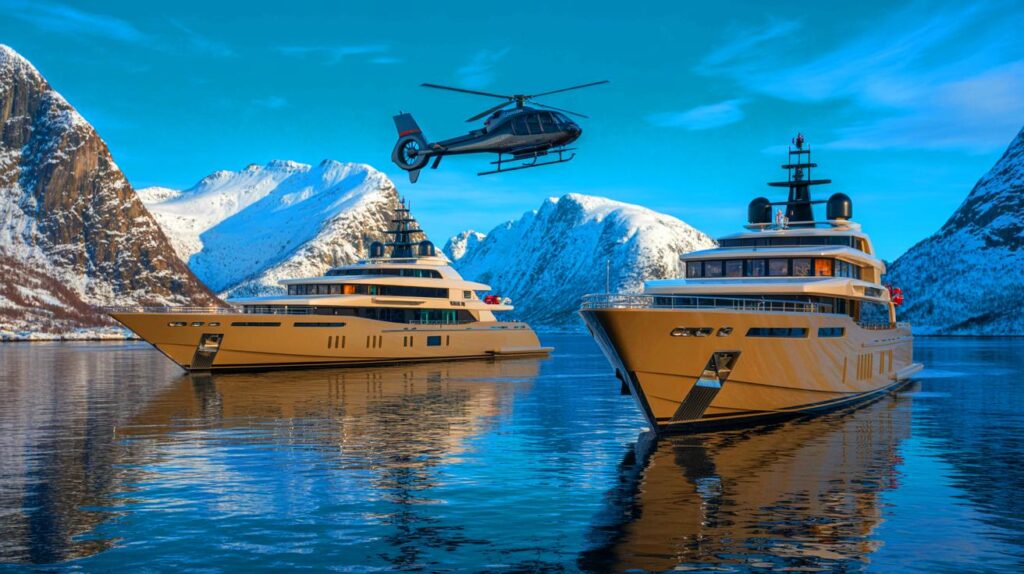
- 🌊 Mark Zuckerberg embarked on a 5,280-mile journey to Norway with two superyachts for a luxurious heliskiing adventure.
- 🛳️ The Launchpad and the Wingman served as a base, allowing him to bypass Norway’s helicopter landing regulations.
- 🎿 This expedition highlights a unique blend of extreme sports and ultra-luxury, showcasing Zuckerberg’s adventurous spirit.
- 🌍 The journey raises questions about sustainability and the environmental impact of such extravagant undertakings.
Mark Zuckerberg, the CEO of Meta, recently embarked on a unique adventure that has captured the attention of many. By mobilizing his two superyachts, he journeyed over 5,280 miles to the stunning fjords of Norway. This expedition was not just about luxury but also showcased a fascinating blend of adventure, innovation, and controversy. With the yachts serving as a base for a heliskiing adventure, Zuckerberg managed to navigate Norway’s strict helicopter regulations creatively. This journey raises intriguing questions about sustainability and the environmental impact of such luxurious undertakings.
A $330 Million Logistical Luxury
Mark Zuckerberg’s recent adventure to Norway was not just a simple trip; it was a logistical feat carried out in grandiose style. At the center of this journey were two extraordinary vessels: the Launchpad and the Wingman. The Launchpad, measuring 387 feet, is valued at a staggering $300 million. Complementing it was the Wingman, a support vessel worth $30 million, equipped with a helipad. Together, these yachts set sail from the United States, traversing the North Atlantic to reach the icy Norwegian shores.
The yachts served a dual purpose. They not only provided a luxurious base for Zuckerberg and his family but also facilitated a high-end heliskiing adventure. Norway’s stringent regulations typically limit helicopter landings for tourism purposes. However, Zuckerberg ingeniously circumvented these rules by using the helipad on his yacht, thereby avoiding the need for permits since the helicopter never actually landed on Norwegian soil. This maneuver highlights an interesting intersection of luxury, innovation, and legal navigation.
Between Extreme Sport and Ultra-Luxury
Heliskiing, a sport often reserved for the elite, allows participants to access untouched slopes that are otherwise unreachable. Mark Zuckerberg, known for his adventurous spirit, took full advantage of this opportunity. Skiing down the remote and breathtaking peaks of Norway, he indulged in an experience few can imagine. His penchant for extreme sports is well-documented, with previous pursuits like martial arts and surfing under his belt.
Back in 2024, Zuckerberg had already showcased his taste for luxury by deploying the Launchpad to Tahiti for a cruise he didn’t even attend. His fleet remains ever-ready, demonstrating the unique lifestyle that comes with being a tech billionaire. Recent maritime data indicates that the Launchpad is currently stationed in Longyearbyen, located in the Svalbard archipelago. This area is one of the northernmost inhabited places on Earth, underscoring the adventurous and daring nature of Zuckerberg’s endeavors.
Logistical Mastery or Legal Loophole?
The scale and intricacy of Zuckerberg’s escapade prompt a dual reaction of admiration and scrutiny. On one hand, it is a testament to his logistical expertise and the ability to execute a complex operation spanning over 5,280 miles. On the other hand, it raises questions about the ethical implications of operating within legal frameworks while simultaneously pushing their boundaries. Zuckerberg’s approach demonstrates how high-profile individuals can leverage their resources to forge personal paths, both in literal and metaphorical terms.
Whether it’s the audacity of transporting luxury yachts across oceans or the thrill of skiing untouched mountains, this adventure highlights a unique intersection of wealth, adventure, and regulatory navigation. Such exploits are emblematic of a lifestyle that few can emulate, and they underscore the broader implications of living on the edge of legal and environmental norms.
The Broader Implications of Such Adventures
While Zuckerberg’s journey showcases the possibilities available to the ultra-wealthy, it also prompts broader discussions about ethical and environmental responsibilities. The substantial expenditure and environmental footprint associated with transporting superyachts across the ocean raise pertinent questions about sustainability. In an era where climate change is a pressing issue, the environmental impact of such luxurious undertakings cannot be ignored.
Moreover, the juxtaposition of extreme luxury against global economic disparities invites reflection on the societal impacts of wealth concentration. As we marvel at the logistics and legal maneuvering involved in Zuckerberg’s escapade, it is crucial to consider its broader implications for environmental stewardship and social equity. The challenge lies in balancing the allure of luxury and adventure with the pressing need for sustainable practices and equitable resource distribution.
Mark Zuckerberg’s adventure to Norway is a testament to the lengths some individuals will go for unique experiences. It challenges us to ponder the balance between indulgence and responsibility. As society grapples with pressing environmental and social issues, how can we reconcile the desire for luxury and adventure with the urgent need for sustainable and equitable practices?
This article is based on verified sources and supported by editorial technologies.
Did you like it? 4.5/5 (26)