
Published on
September 3, 2025

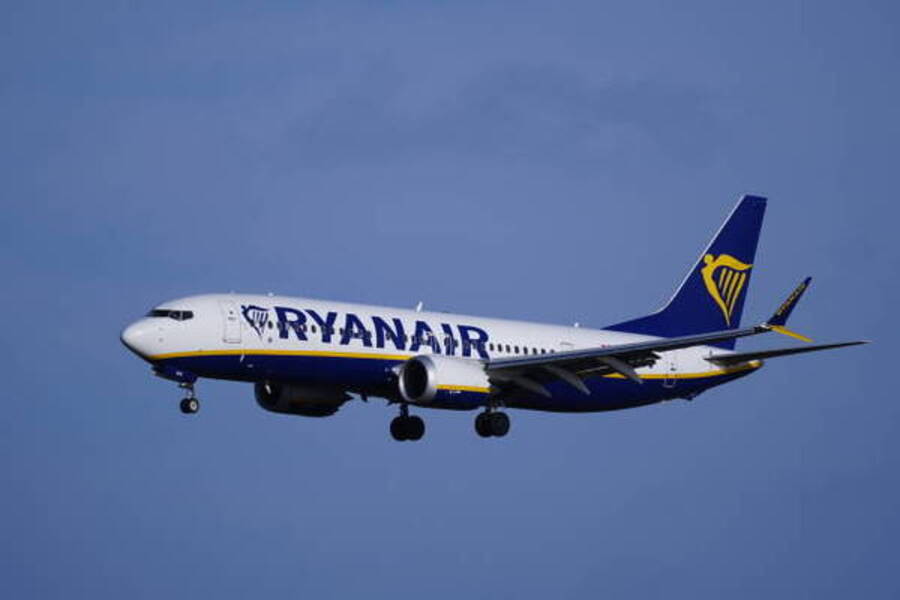
Ryanair has unveiled a major expansion of its Winter 2025 schedule, with significant new routes and increased frequencies across the UK, Sweden, Hungary, and Albania. This expansion highlights the airline’s commitment to bolstering its network and increasing capacity in key markets, especially the UK. The airline’s strategic growth plans for the UK market include enhancing connectivity, catering to growing demand, and providing more affordable travel options. These efforts are set to strengthen Ryanair’s presence in the region, driving economic growth while offering more flexibility and convenience to passengers.
Ryanair has expanded its operations in the UK, introducing new routes that further strengthen its position as the country’s largest airline. Travellers can now fly from London Luton to Wroclaw, while London Stansted gains four additional destinations: Lübeck, Münster, Murcia, and Trapani. These new routes give Ryanair a stronger presence at Stansted, surpassing Heathrow in the number of European connections, while also offering significantly lower fares compared to those of Heathrow-based airlines.
Ryanair’s Growth in the UK for 2025
Ryanair, the UK’s largest airline, has outlined bold expansion plans for 2025, setting its sights on carrying close to 60 million passengers. This figure nearly doubles the number British Airways expects to achieve, underscoring Ryanair’s dominance in the market. The projected surge is driven by the carrier’s commitment to affordable fares and frequent connections across major routes. Looking ahead, the airline is also preparing for long-term growth, with ambitions to expand its UK traffic by 33% and reach an impressive 80 million passengers by 2030.
However, Ryanair highlights that achieving this ambitious target will depend on a favourable regulatory environment. The airline has called on the UK government to abolish the Air Passenger Duty (APD) tax, which it argues stifles growth in the aviation and tourism sectors. Furthermore, Ryanair has expressed concern about the performance of the UK’s air traffic control (ATC) system, particularly the National Air Traffic Services (NATS), which it claims has failed to meet the demands of the growing aviation industry.
Ambitious Expansion Plans
Ryanair’s growth plan for the UK involves expanding its route network and increasing the capacity of its fleet. The airline has placed an order for 340 new Boeing aircraft, which will arrive over the next eight years. These new planes will play a key role in supporting the airline’s expansion at its 22 UK airports. Ryanair is committed to increasing its fleet size and adding more routes to meet growing demand, while maintaining its focus on low-cost travel.
To keep up with this demand, Ryanair is also increasing its seasonal flight offerings. The airline’s decision to add extra services, including new destinations such as Lübeck, Münster, and Trapani, is part of its strategy to provide affordable travel options to a wider range of customers. By offering more frequent and diverse flight options, Ryanair seeks to maintain its competitive advantage over other airlines operating from UK airports.
The Impact of APD and Air Traffic Control Reform
For Ryanair’s expansion strategy to succeed, the airline stresses that government intervention is necessary. Ryanair argues that the current APD tax burden significantly reduces its ability to expand operations. The airline suggests that removing this tax would allow it to reinvest in its operations, providing cheaper tickets to more customers while boosting the UK’s tourism sector.
Ryanair points to several European countries, including Sweden, Hungary, and Albania, where similar taxes have been scrapped. These countries have seen a significant increase in air traffic and tourism as a result, which has boosted local economies. Ryanair believes that by removing APD, the UK can experience similar benefits, including increased passenger traffic, more competitive fares, and more job opportunities in the aviation and tourism sectors.
Alongside urging the government to cut Air Passenger Duty, Ryanair is also pressing for immediate reforms to the UK’s air traffic control system. The airline has openly criticised the performance of NATS, arguing that the organisation has failed to keep pace with the growing demand for air traffic services. According to Ryanair, these shortcomings have triggered unnecessary delays and operational disruptions that affect both carriers and travellers. The airline warns that unless these inefficiencies are corrected, they could restrict long-term industry growth while driving up costs for airlines and passengers alike.
Ryanair’s Winter 2025 Fleet Expansion
Ryanair has confirmed that it will welcome 29 brand-new Boeing 737 aircraft into its fleet this winter, reinforcing the airline’s strategy for steady expansion. The fresh additions will be spread across its UK bases, boosting capacity to keep pace with the rising demand for affordable air travel. With these aircraft, Ryanair will not only be able to offer more seats on its busiest routes but also expand its network by rolling out new services to a wider range of European destinations.
Despite this fleet expansion, Ryanair remains concerned about the impact of high APD taxes on its ability to deploy these new aircraft efficiently. The airline has warned that if the tax burden remains high, it could be forced to redirect some of these planes to other countries that offer more favourable policies for low-cost carriers. This shift would not only impact the airline’s growth plans in the UK but could also reduce the availability of affordable flights for UK passengers.
Ryanair is expanding its Winter 2025 schedule across the UK, Sweden, Hungary, and Albania, introducing new routes and increased frequencies, with a special focus on growing its UK market to meet rising demand and enhance connectivity.
Ryanair’s Winter 2025 programme highlights its focus on keeping air travel affordable while also boosting economic activity across the United Kingdom. The airline is expanding its route offerings and strengthening its fleet with new aircraft, reinforcing its ambition to remain a dominant force in European aviation. At the same time, Ryanair has made clear that continued growth will depend on stronger government measures to back the aviation sector.
Ryanair’s call for the abolition of APD and reform of the ATC system is designed to create a more favourable environment for both airlines and passengers. If the UK government acts on these issues, Ryanair believes that it can continue to expand, offering cheaper flights and supporting growth in the UK’s tourism and aviation industries. The future of affordable air travel in the UK will depend on the government’s willingness to embrace these changes, unlocking significant benefits for consumers and the economy.
