
Published on
September 7, 2025

Since a long time ago, Spain was famous due to its sunny beaches, exciting cities, and rich cultural offerings, but now it is experiencing a slump in tourism. Once packed with international tourists, Spain now features empty plazas, quiet streets, and desolate beaches instead of the hustle and bustle of vacationers.
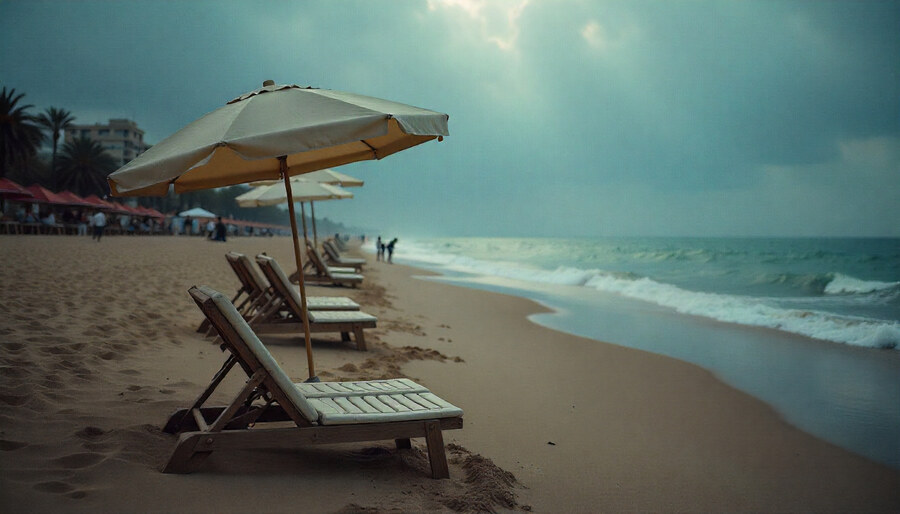
Visitors and their spending in certain regions has drastically declined. In the summer, the southern coast resorts boast views filled to the brim with tourists, but now appears noticeably empty. The local stores, restaurants, and cafes depend on tourism and are now facing problematic economic issues, while the outdoor spaces that use to be busy are now deserted.
There are many factors that are explains shifts, The perception visitiors are not always welcome, and social unrest and anti overcrowding initiatives does not help. These actions aim to sustain the local residents and tourism, but it seems to stem from the lack of international travel. Those potential tourists chose other places with less restrictions and more freer tourism.
This issue is equally as concerning for coastal p[prosperienda towns as for metropolitan areas. The off-season contraction of local demand has caused small businesses to close, reduce staff, and increase public economic invisibility. The omnipresence of hotels and beachside restaurants has slipped into depression and reveals an occupational distribution among patrons of other local tourist amenities.
Their inability to sell excursions and provide transport services amplifies the shrinkage of local business profit. Guided dealerships and jovial sightseeing buddies experience an unremitting drought, caused by the universal situation which encapsulates hesitation and borders stagnation. Paradoxically, the coverage of these phenomena by foreign and domestic press drives citizens away.
Just to illustrate the magnetism once held by the southern coast of Spain, the Spanish themselves avoid their beaches. The sight of deserted, silent promenades preserving their chairs for visitors, even in peak season, symbolizes the radical metamorphosis of which civilized society is capable. The acquisition of zen-like dispositions among travelers attunes their behaviors to the demands of the host in terms of ease and security, leaving a residue of isolation.
The impacts are wide-ranging. Communities that rely heavily on tourism are experiencing some level of economic distress, which concerns accommodation and meals, but also travel, amusement, and even ancillary workers. Should the trends last, the consequences on hospitality asset growth, new enterprises, and even Spain’s competitiveness in global tourism could be dire.
Nevertheless, numerous under-the-radar tourism spots, while receiving a trickle in comparison to yesteryears, still sustain some tourism. The soft, sincere experiences these spots offer retain some clientele, but do little to diminish the broader decline spanning Spain’s premier urban and coastal hubs.
Reversing this trend will require engagement from the local government as well as tourism professionals. Rekindling confidence is not easy, as trusting systems that cater to the locals, while meeting international standards, is a fine choke. Contraction of well-designed programs which brand the Spain as a secure, easily accessible, and thoughtfully organized country could curtail decline. Meanwhile, the pusions of sustainable tourism should ensure enduring adaptability.
In summary, Spain has become a paradox as certain top global destinations have experienced a drop in international tourists. Increased social notably, anti tourism measures, negative stereotypes towards visitors resulting in a reduction in visitors, spending, and economic activity has caused the strange phenomenon of an urbanized center having a decrease in economic activity. If the tourism industry continues to transform to accommodate Spain, the tourism industry must ensure that Spain is regarded as a balanced and an appealing holiday destination. The next few years will determine whether Spain will be able to recover its traditional tourism appeal, or have an unchanging tourist behavior.
