
Published on
September 8, 2025

Hawaii has announced a landmark initiative to tackle the environmental challenges caused by mass tourism with the implementation of a green tax, set to take effect in 2026. As the first state in the U.S. to introduce such a tax, Hawaii’s decision underscores the growing need to balance tourism and environmental conservation. This pioneering tax will apply to hotel stays, vacation rentals, and even cruises, with the primary goal of preserving the islands’ fragile ecosystems and mitigating the adverse effects of tourism-related stress on the environment.
This bold step will charge an additional 0.75% tax on the current Transient Accommodations Tax (TAT), ultimately contributing approximately €85 million annually. These funds will be directed toward environmental protection efforts, such as beach restoration, combating invasive species, and strengthening the state’s resilience against climate-related disasters.
The Green Tax: A Move to Address Environmental Strain
Hawaii’s green tax comes as part of a broader initiative to combat the environmental strain caused by the influx of tourists. With over 10 million visitors annually, Hawaii’s economy heavily relies on tourism, which constitutes around 25% of its total economic output. However, this tourism boom has brought significant ecological challenges, such as coastal erosion, invasive species, and vulnerability to severe weather events.
The infamous 2023 Maui wildfires, which devastated large parts of the island, highlighted the urgency of addressing these environmental issues. Invasive grasses, which were exacerbated by tourism, played a key role in the spread of the fires. The green tax is designed to help fund efforts to prevent similar disasters in the future and to restore the islands’ natural beauty.
Key Objectives of the Green Tax
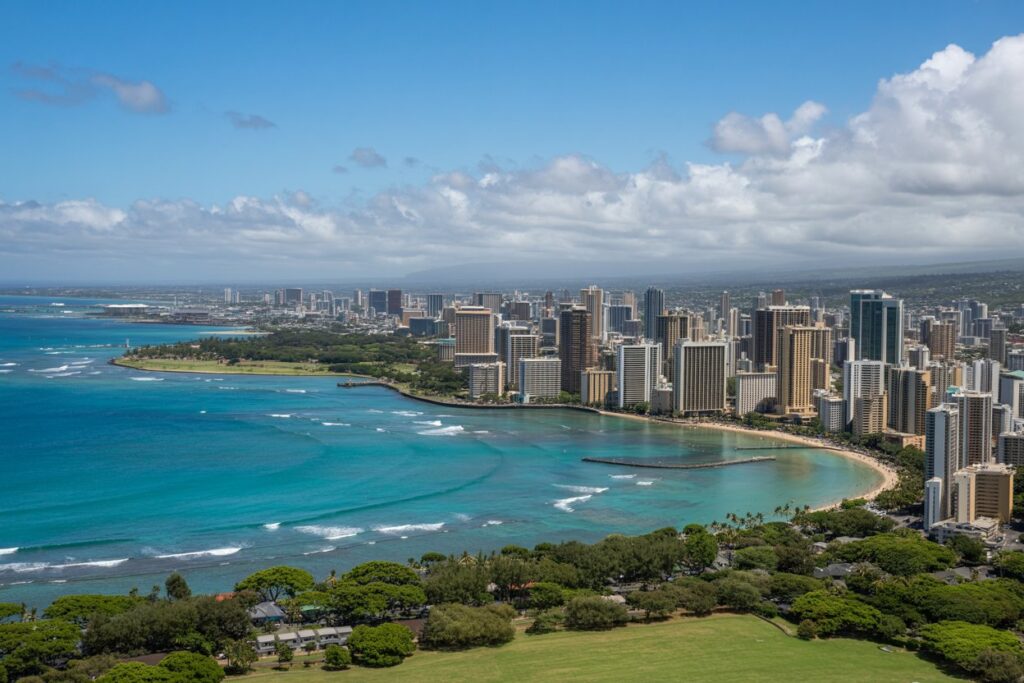
- Address Coastal Erosion: Part of the funds will be used to protect and restore Hawaii’s beaches, particularly Waikiki Beach, where re-silting efforts are underway to combat the ongoing erosion caused by both natural forces and human activities.
- Remove Invasive Species: With tourism contributing to the spread of invasive plant species, Hawaii plans to dedicate resources to eradicating these threats, which damage local ecosystems.
- Enhance Disaster Resilience: The tax will also fund Hawaii’s broader climate change adaptation efforts, ensuring that the state can better withstand the impact of extreme weather events, such as hurricanes and wildfires, which are becoming more frequent due to climate change.
- Fund Ecological Restoration: The funds will be used to restore the islands’ ecosystems, which are increasingly under pressure due to tourism. These initiatives include reforestation projects, wetland restoration, and coral reef protection.
The Tax Breakdown and Impact on Visitors
The green tax will increase the Transient Accommodations Tax (TAT) to 11%, which will be applied to all accommodations, including hotels, vacation rentals, and even cruise ships. This marks a significant step forward in efforts to incorporate sustainability into Hawaii’s tourism industry.
The tax is projected to generate around €85 million annually, providing much-needed financial resources to support environmental restoration projects across the state. While many tourism operators and industry experts have expressed support for the green tax, questions remain regarding its effectiveness in fully addressing the impacts of over-tourism, especially in popular areas such as Honolulu, Maui, and Kauai.
The Role of Tourism in Hawaii’s Economy
Tourism in Hawaii plays a crucial role in the state’s economy. In 2019 alone, over 10 million tourists visited Hawaii, contributing to a significant portion of the state’s GDP. However, this surge in visitors has also contributed to a range of environmental and cultural issues. Mass tourism has put immense pressure on Hawaii’s natural resources, including its beaches, coral reefs, and forests, and has exacerbated environmental degradation.
While tourism is a vital source of revenue, the benefits must be weighed against the costs to the environment. Hawaii’s green tax is a direct response to this challenge, seeking to make the tourism industry more sustainable and ensure that it can continue to thrive without compromising the islands’ ecosystems.
Hawaii’s Green Tax in a Global Context
Hawaii is not the only destination grappling with the environmental impacts of tourism. In fact, several countries and popular tourist destinations around the world have already implemented similar measures. Cities like Venice and Florence in Italy, and regions in Japan, Thailand, Peru, and Nepal have introduced taxes and levies designed to reduce the strain caused by over-tourism.
By adopting the green tax, Hawaii is following in the footsteps of other global tourism destinations that are taking proactive steps to protect their natural resources. However, Hawaii’s approach is unique in that it specifically targets the environmental degradation caused by tourism, providing a clear pathway for other regions to follow suit.
Challenges of Over-Tourism in Hawaii
Hawaii’s mass tourism industry faces several challenges related to over-tourism. While the green tax is a step in the right direction, it will not solve all of Hawaii’s environmental challenges overnight. The state still faces the ongoing issues of overcrowded tourist destinations, habitat destruction, and the over-exploitation of its natural resources.
The green tax is just one piece of a larger puzzle aimed at mitigating these issues. Alongside this tax, Hawaii is also exploring other measures to promote sustainable tourism, including encouraging eco-friendly tourism activities, such as hiking, cycling, and wildlife watching, as well as preserving cultural heritage.
Hawaii’s tourism authorities have also been working to promote responsible travel behaviors among visitors, with campaigns designed to reduce littering, preserve local culture, and respect wildlife. These efforts are intended to ensure that Hawaii remains a top-tier destination without causing irreversible harm to its natural beauty.
Looking Ahead: A Model for Sustainable Tourism?
Hawaii’s green tax could serve as a model for other U.S. states and international destinations looking to balance tourism with environmental sustainability. The initiative is bold, and its success will depend on how effectively the funds are used and whether the broader tourism industry can adapt to new expectations of sustainability.
While the green tax is just one tool in the battle to combat over-tourism, it reflects Hawaii’s commitment to protecting its fragile ecosystems and ensuring that future generations can enjoy the islands’ natural wonders. If successful, this initiative could set a precedent for other destinations facing similar environmental challenges.
In the years to come, Hawaii will be closely watched by other destinations seeking to mitigate the environmental and cultural impacts of tourism. With continued investment in sustainable practices and a commitment to preserving its natural beauty, Hawaii could very well become a global leader in eco-friendly tourism.
The Broader Industry Response
The green tax has sparked a mixed response within Hawaii’s tourism industry. While many stakeholders are on board with the idea of contributing to environmental restoration, there are concerns that this additional tax may deter some visitors or negatively impact businesses, especially in the short term.
However, many within the industry recognize that sustainable tourism is crucial for the long-term health of the sector. By introducing the green tax, Hawaii is positioning itself as a forward-thinking destination, prioritizing environmental stewardship while still supporting a thriving tourism industry.
Several industry leaders have pointed out that the tax could encourage greater collaboration between tourism operators, government agencies, and local communities to create a more sustainable tourism model. In the future, Hawaii could see a shift toward more eco-friendly tourism experiences, such as nature tours, wildlife conservation efforts, and sustainable accommodation options.
Conclusion
Hawaii’s green tax represents a significant step toward ensuring the long-term sustainability of its tourism industry. By directing funds toward environmental protection and restoration, Hawaii is taking a proactive stance in addressing the challenges posed by over-tourism. While the road ahead will undoubtedly have its obstacles, the green tax offers a promising model for other destinations to follow in their efforts to preserve their natural resources while still welcoming visitors from around the world.
As the first state to implement such a tax, Hawaii is setting the stage for a more sustainable tourism industry. This initiative not only helps to protect Hawaii’s unique ecosystems but also serves as a reminder of the growing need to prioritize sustainability in the global tourism industry. Whether or not other regions follow Hawaii’s lead, the green tax marks an important moment in the evolution of sustainable tourism practices.
