
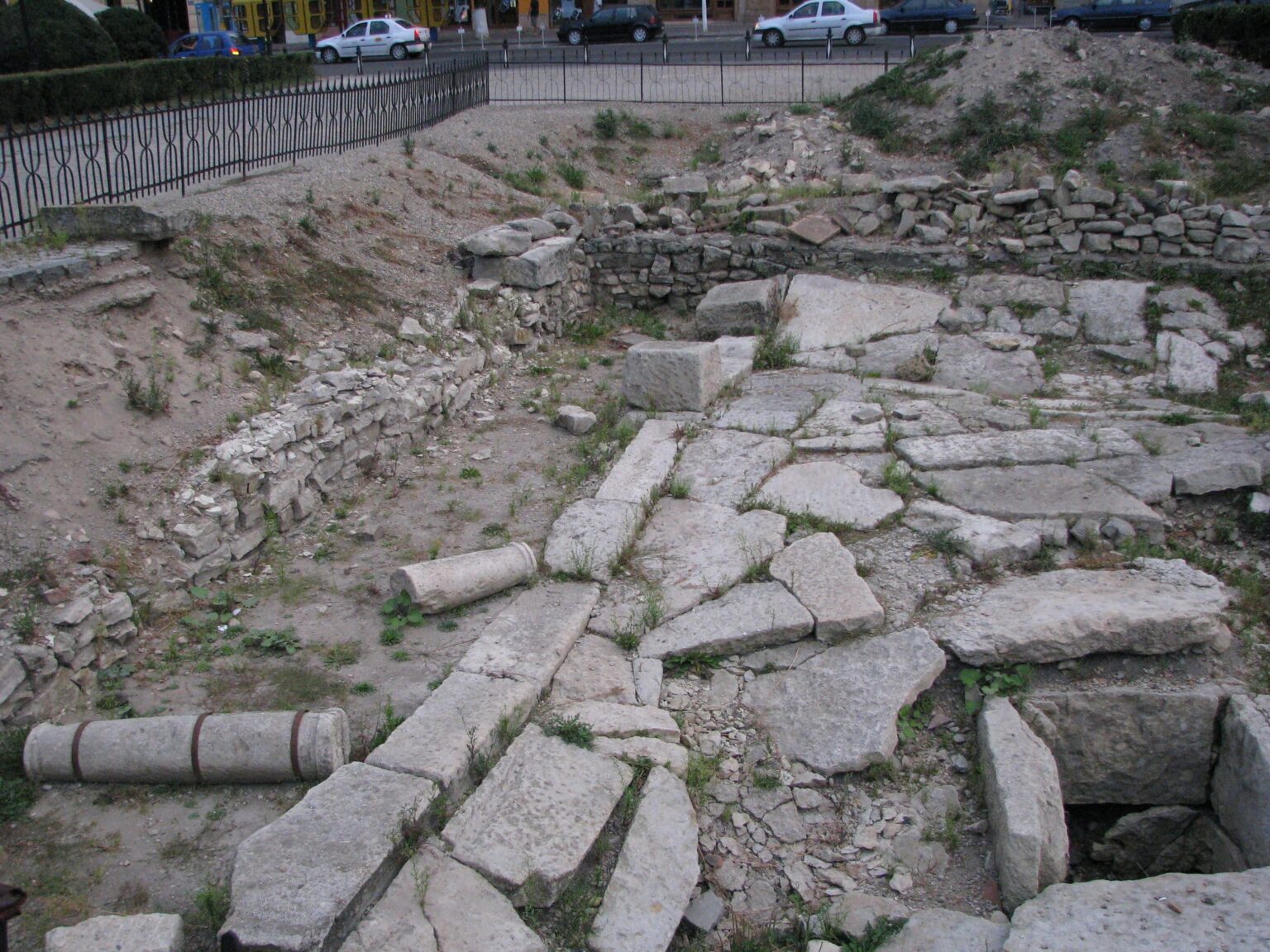
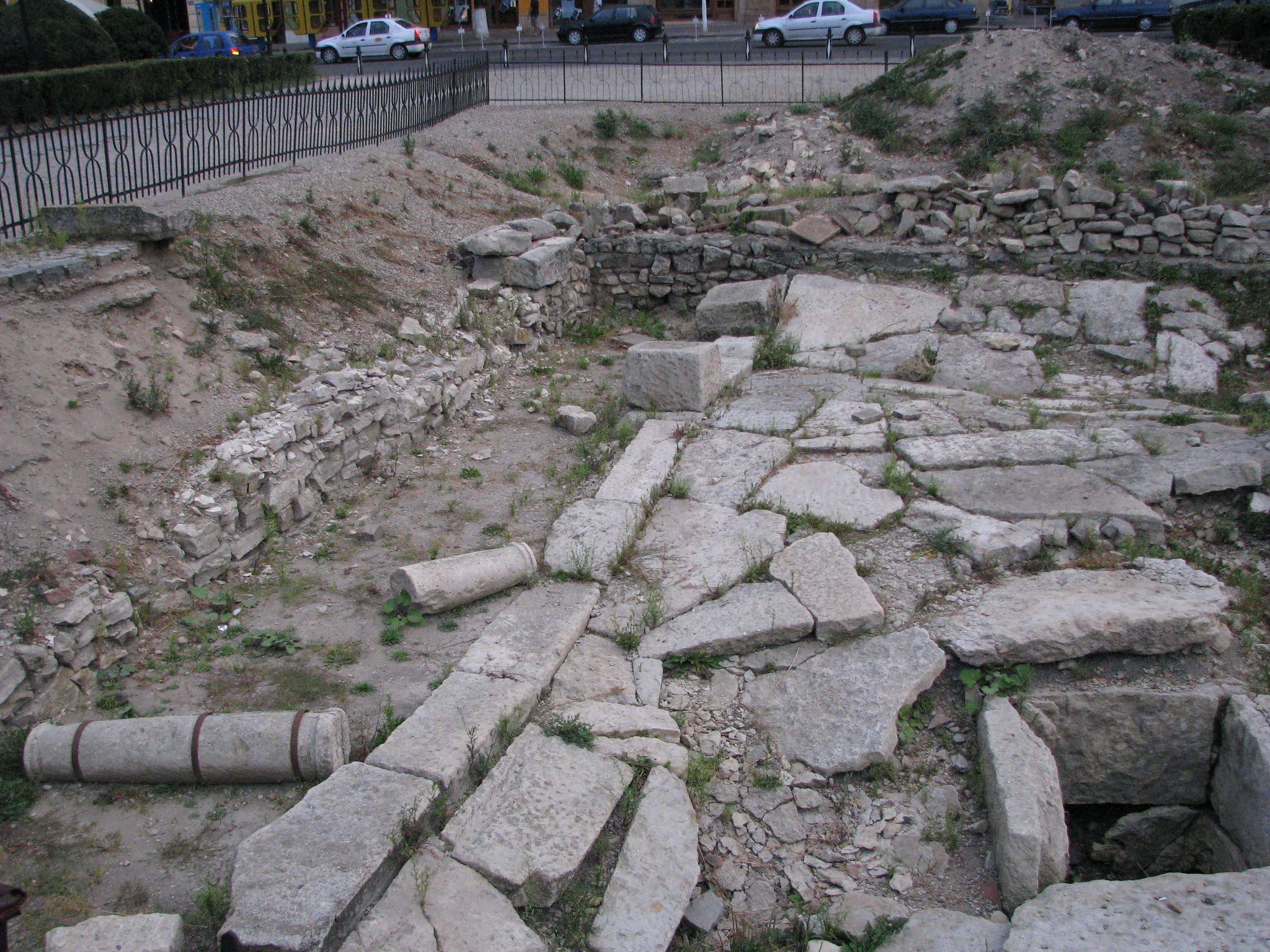
Archaeological site, Cluj-Napoca, Romania. Credit: Codrin Bucur / Flickr / CC BY-SA 2.0
A rare treasure trove of 121 gold artifacts, believed to date back more than 3,400 years, has been uncovered in Romania’s Cluj County and is now being examined at the National Museum of Transylvanian History.
The discovery, which includes items made entirely of gold, adds new insight into the communities that once inhabited the region during the Bronze Age.
Museum officials explained that the gold artifacts found in Romania are undergoing detailed cleaning and restoration in the museum’s conservation lab.
Specialists say the pieces likely date from between 1400 and 1200 B.C., a period marked by advanced metalwork and trade in the Carpathian Basin.
Zic să le trimitem la vreun muzeu în Olanda
O nouă comoară descoperită la Mangalia: vase din aur și argint vechi de peste 2.200 de ani https://t.co/3nU80O8eR4
— Ioan T. Morar (@itmorar) September 8, 2025
International team studies ancient craftsmanship
The museum launched a collaborative research initiative that brings together archaeologists, chemists, physicists, and geologists from several countries.
The team is analyzing the materials and techniques used to craft the objects, as well as placing them within a broader historical and cultural context.
Among the most intriguing items found is a thick gold ring with spiral-shaped ends. Malvinka Urak, a curator at the museum, said the ring has no known parallels in Romania’s archaeological record, making it a particularly valuable piece for further study.
The treasure was discovered by a metal detectorist in a rural part of Cluj County. Alongside the ring, the collection includes 116 small gold links featuring engraved patterns.
Based on early analysis, researchers believe these may have been used as earrings or decorative elements.
Officials highlight cultural and historical value
Culture Minister Andras Demeter described the discovery as both culturally significant and historically priceless.
He noted that the craftsmanship of the objects is remarkable, especially given their age, and said the Romanian landscape continues to reveal long-buried pieces of the nation’s past.
Once scientific analysis is complete, the artifacts are expected to become part of the museum’s permanent exhibition, offering the public a rare chance to see early gold craftsmanship from the region.
The find marks one of the most important Bronze Age discoveries in Romania in recent years. Experts say it not only enriches the understanding of local ancient societies but also highlights the complexity of their metalworking skills.
With the artifacts now secured and under professional care, researchers say the find will continue to offer valuable insights into Romania’s prehistoric past for years to come.