
Marybeth Collins
California lawmakers have approved Assembly Bill 823, extending the state’s restrictions on plastic microbeads to include plastic glitter, non-rinse-off cosmetics, and cleaning products. The legislation, passed September 3 in the Senate and enrolled September 5, reflects mounting concern over microplastic pollution and its effects on waterways, ecosystems, and human health.
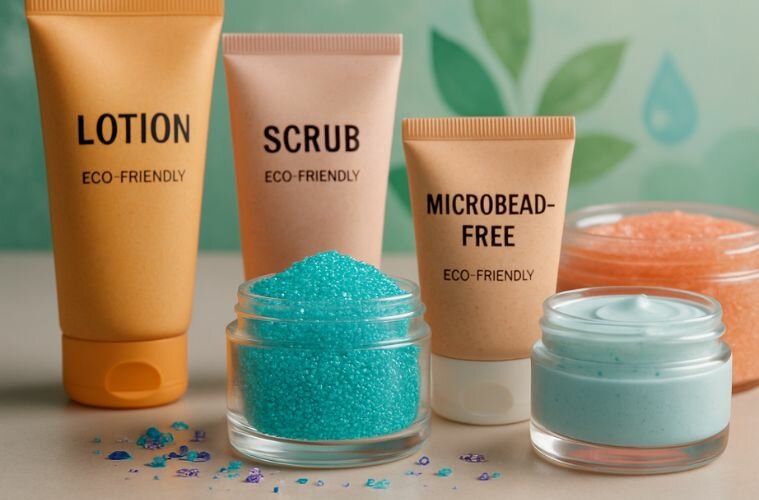
Microbeads—tiny plastic particles five millimeters or smaller—are intentionally added to products for their abrasive or exfoliating properties. Commonly used in face scrubs, toothpaste, and household cleaners, microbeads bypass wastewater treatment systems and accumulate in rivers, lakes, and oceans. Scientists have documented microbeads in fish, shellfish, drinking water, and even human tissue, underscoring the urgency of regulatory action.
Closing Loopholes in Existing Law
California’s current Plastic Microbeads Nuisance Prevention Law prohibits rinse-off personal care products containing microbeads, with limited exemptions for products containing less than one part per million by weight. Violations carry civil penalties of up to $2,500 per day, enforceable by the state Attorney General or local officials.
AB 823, authored by Assembly Member Boerner and coauthored by Senator Gonzalez, broadens the law starting January 1, 2029:
- Bans personal care products with plastic microbeads in non-rinse-off formulations.
- Prohibits cleaning products containing microbeads used for polishing or abrasion.
- Outlaws plastic glitter in personal care products.
Retailers may sell through existing stocks of glitter-containing products until January 1, 2030, but no new inventory will be permitted.
National and Global Context
California’s move follows earlier federal action. The Microbead-Free Waters Act of 2015 prohibited rinse-off cosmetics with microbeads nationwide but did not address leave-on products, cleaners, or glitter. Those gaps allowed continued use of plastics that break down into persistent microfragments in the environment.
Plastic glitter, though often marketed as harmless decoration, poses a similar risk. Studies show glitter particles can harm aquatic organisms by blocking digestive tracts or leaching toxic additives. Researchers have also linked microplastics to soil contamination, with potential impacts on agriculture and food security.
Environmental and Health Implications
According to the United Nations Environment Programme, the world produces 11 million metric tons of plastic waste annually that enter oceans, a number expected to triple by 2040 without stronger interventions. Microplastics—including microbeads and glitter—contribute disproportionately to this problem because of their size, persistence, and widespread use in everyday products.
The state’s action adds momentum to broader policy discussions. The European Union has already restricted intentionally added microplastics in cosmetics, detergents, and fertilizers. Other U.S. states, including New York and Illinois, enacted early bans on microbeads but have yet to regulate glitter.
What Businesses Should Expect
For manufacturers, AB 823 signals the need to accelerate reformulation. Biodegradable alternatives—such as plant-based exfoliants or mineral abrasives—are increasingly available and are likely to gain traction as compliance deadlines approach. Companies that proactively eliminate plastic glitter and microbeads may benefit from consumer preference as well as regulatory alignment.