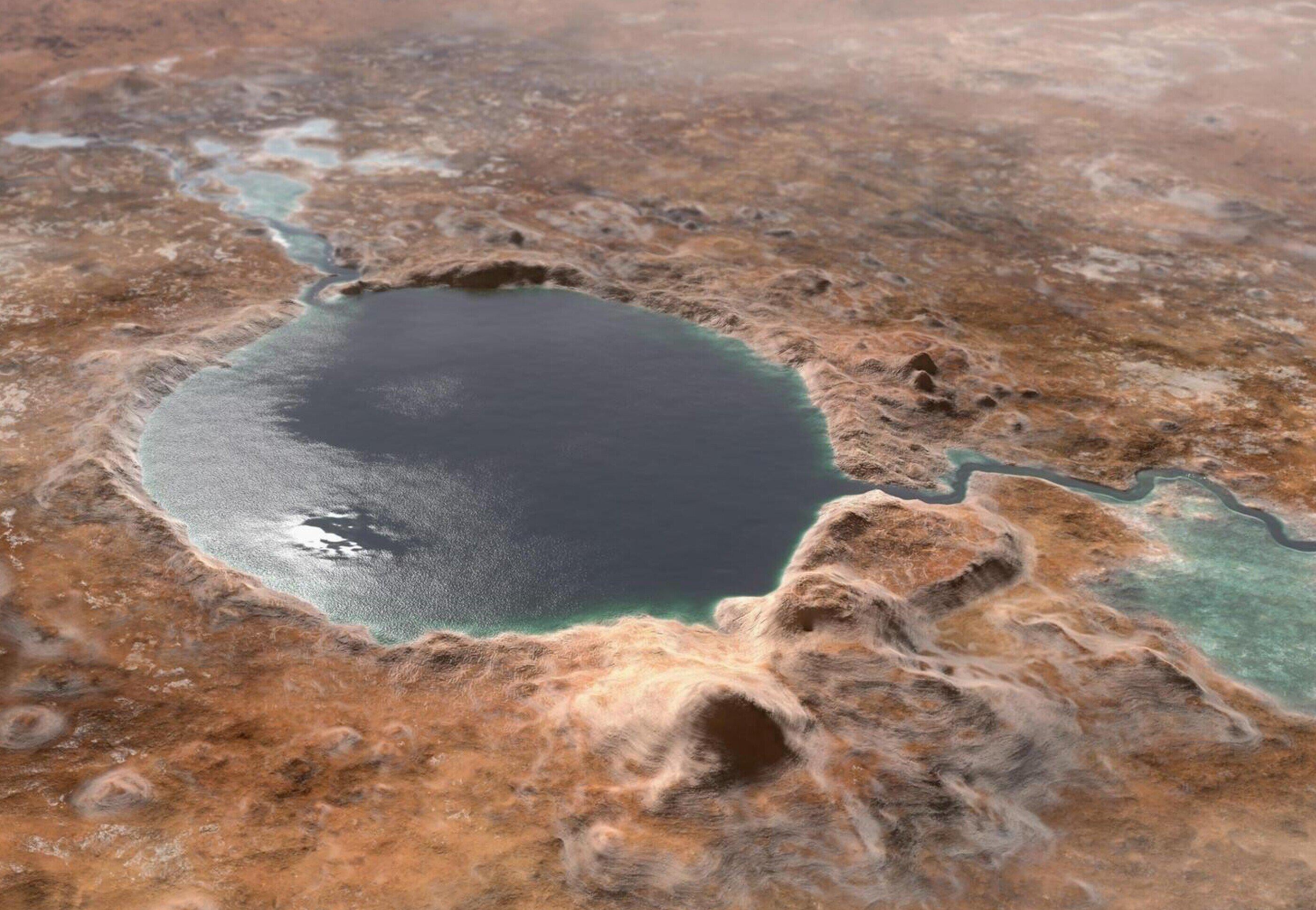
‘Potential biosignatures’ found in ancient Mars lake
https://phys.org/news/2025-09-potential-biosignatures-ancient-mars-lake.html

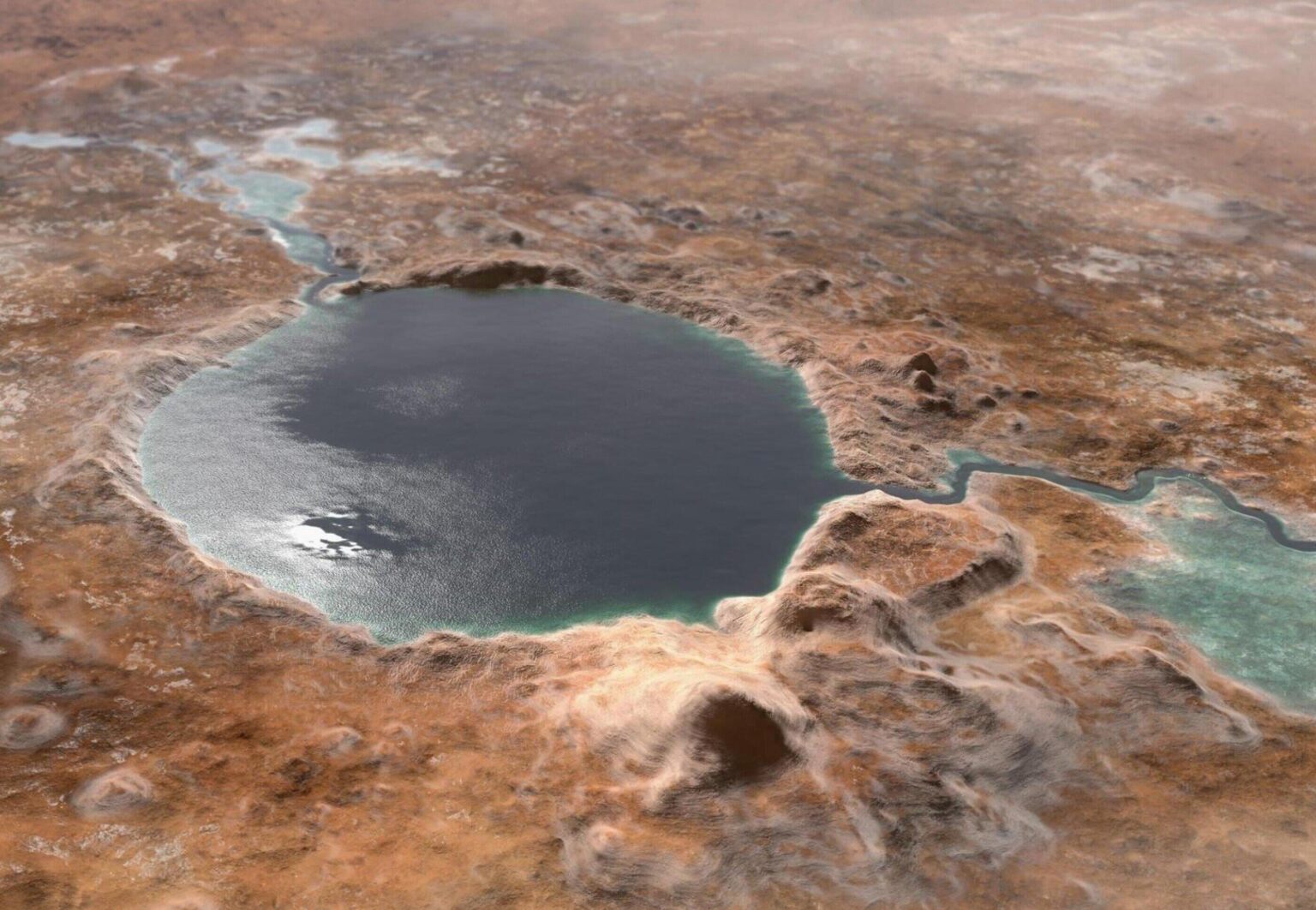
‘Potential biosignatures’ found in ancient Mars lake
https://phys.org/news/2025-09-potential-biosignatures-ancient-mars-lake.html
2 Comments
Hello. [Here’s the original news release here, from the Imperial College London](https://www.imperial.ac.uk/news/268353/potential-biosignatures-found-ancient-mars-lake/).
It’s the same article, but without ads or tracking. Phys.org is using a completely different image set than the original, for some reason. Imperial College London links the article more extensively. There’s also a mountain of “see also” related news.
Phys.org is a content aggregator. They take free-as-in-beer (like this) or licensed content and they republish it, with their own ads, their own tracking, or whatever else. As is often the case, the original article is a better browsing experience.
Let know when they find actual DNA/RNA fragments, or even chlorophyll. Anything else is circumstantial.