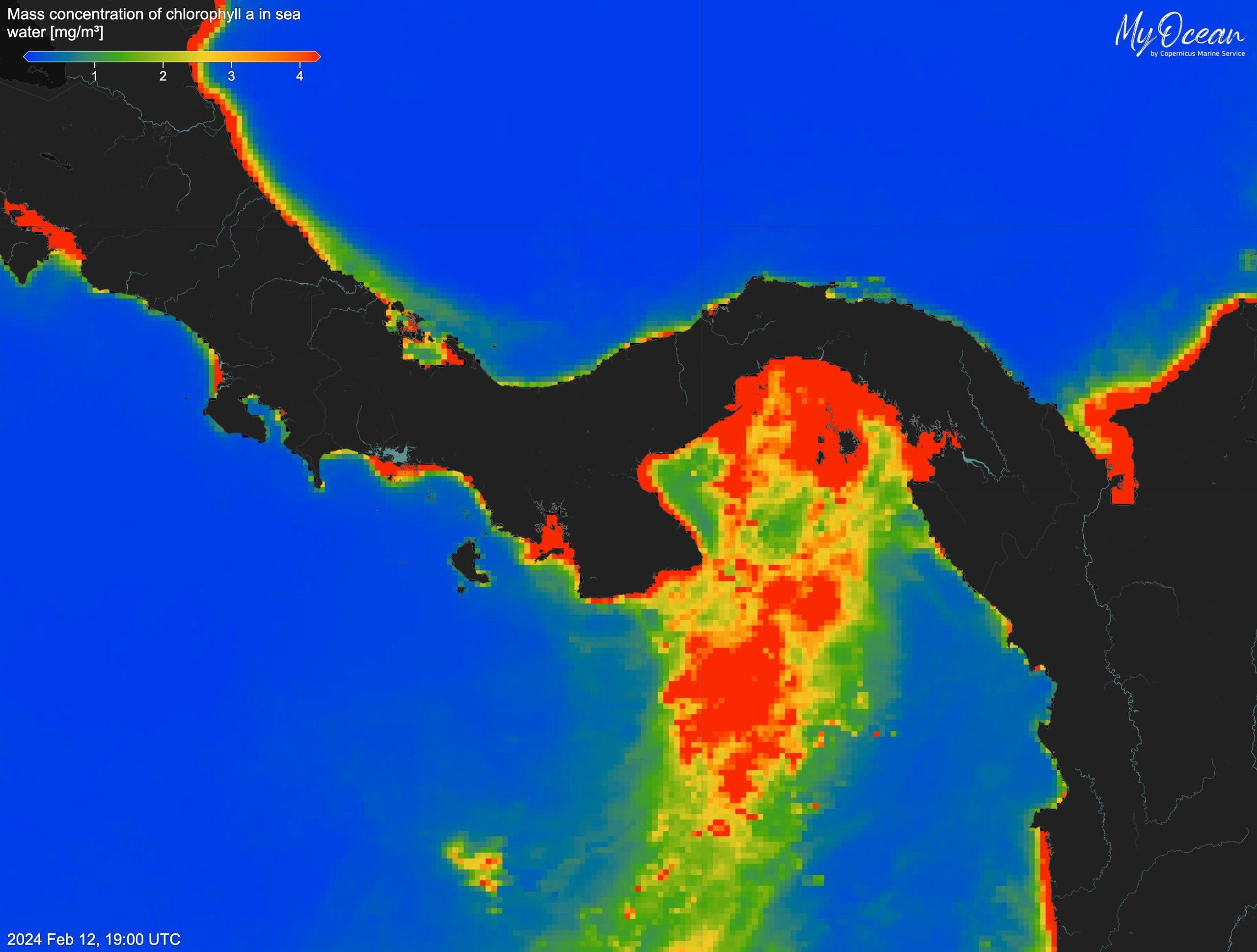
For the First Time in 40 Years, Panama’s Ocean Lifeline Has Vanished
https://scitechdaily.com/for-the-first-time-in-40-years-panamas-ocean-lifeline-has-vanished/

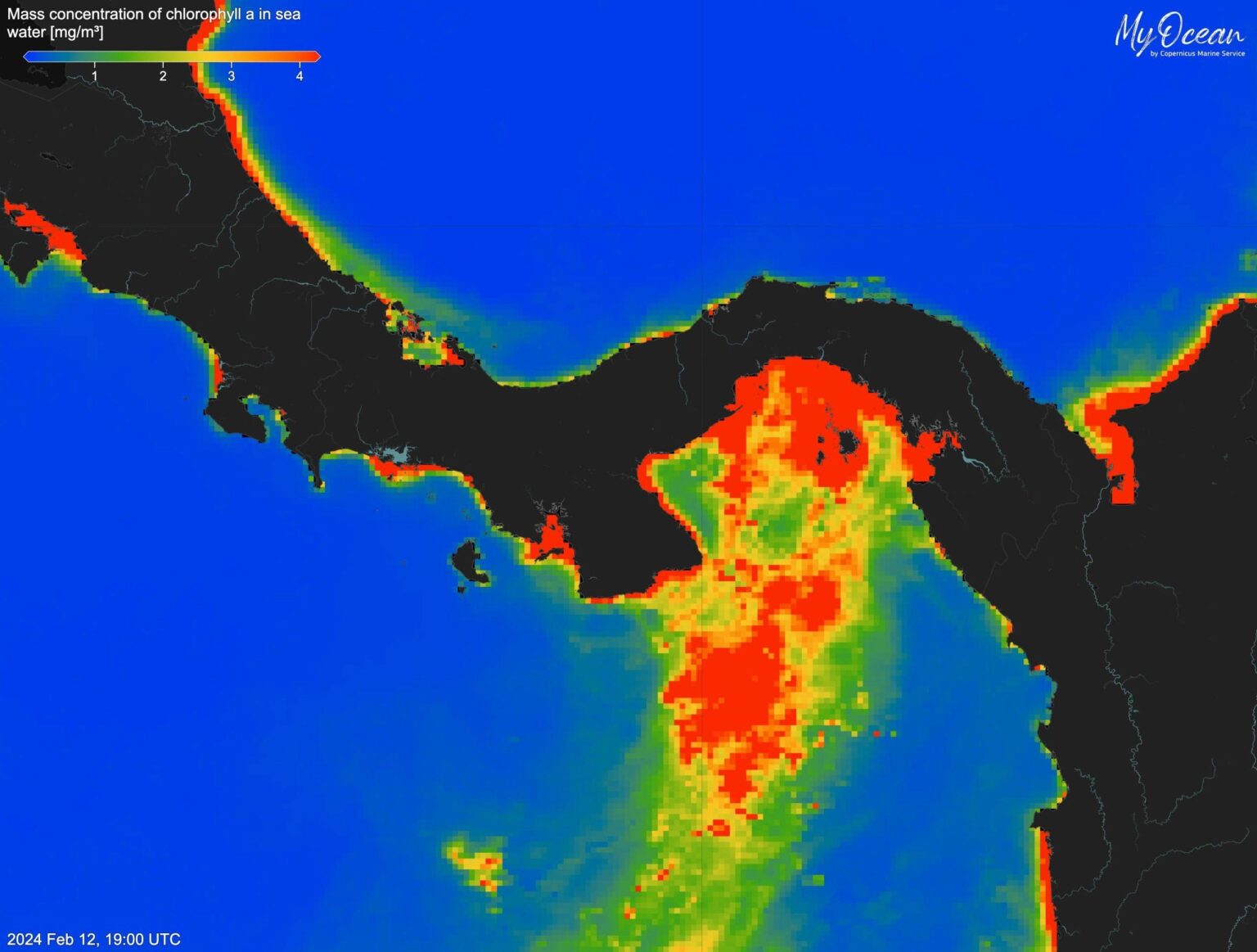
For the First Time in 40 Years, Panama’s Ocean Lifeline Has Vanished
https://scitechdaily.com/for-the-first-time-in-40-years-panamas-ocean-lifeline-has-vanished/
4 Comments
> The annual phenomenon of upwelling in the Gulf of Panama failed to occur in 2025 for the first time on record. A team of scientists from the Smithsonian Tropical Research Institute (STRI) linked the disruption to weakened trade winds. The event **signals risks for fisheries and climate-sensitive ocean processes**.
> STRI researchers have monitored this seasonal cycle **for more than four decades**, documenting its consistent recurrence between January and April. **In 2025, however, the process did not take place, marking the first observed failure**. As a result, expected temperature declines and productivity increases were significantly reduced. In a study published in PNAS, the team concluded that a sharp weakening of wind patterns was the likely driver of this unprecedented event. The results reveal how climate instability can disrupt long-standing oceanic systems that have supported coastal fisheries for millennia. Additional investigation is needed to pinpoint the exact mechanisms and assess the potential long-term impacts on marine resources.
> This finding highlights the growing vulnerability of tropical upwelling systems, which, despite their enormous ecological and socioeconomic importance, **remain poorly monitored**. It also **underscores the urgency of strengthening ocean-climate observation and prediction capabilities** in the planet’s tropical regions.
One can only imagine all the knock on effects that such a catastrophe causes, both locally and overall. I imagine this could well devastate both human and pelagic ecologies, and hasten the process elsewhere
Cue the cuts to Smithsonian Tropical Research Institute for saying such nasty words
This in conjunction with the monsoon weather crossing from India into Tibet for the first time in history this year, the global climate currents are truly starting to shift. All the years of ignored warnings and now climate changes are beginning.