
Published on
September 13, 2025

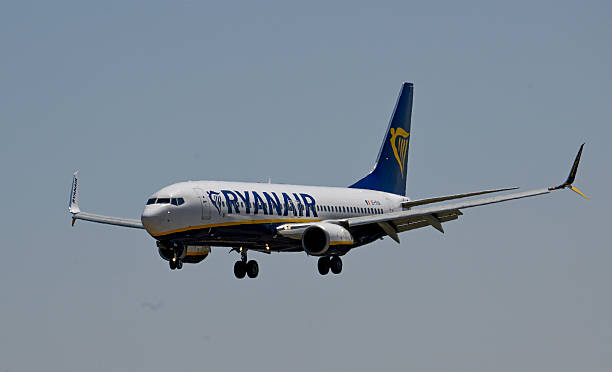
Ryanair’s decision to cut one million seats to Spain stems from ongoing disputes with Spain’s airport authority, Aena, over rising airport fees. Aena’s 6.6% fee increase, set to take effect in 2026, has made operating at smaller airports less viable for Ryanair, prompting the airline to reduce its services, particularly to the Canary Islands and regional airports. While major hubs like Madrid and Barcelona will still see strong traffic, smaller destinations will feel the impact of these cuts.
Ryanair, one of Europe’s most well-known budget airlines, has announced significant cuts to its services to Spain, set to affect millions of travelers heading to the country this autumn and winter. As part of its revised operational strategy, the airline will eliminate one million seats, including 400,000 from the Canary Islands and 600,000 from mainland Spain. This reduction marks a notable decline, with the Canary Islands facing a 10% dip in service, while mainland Spain will see a more substantial 41% decrease.
The decision follows a series of escalating tensions between Ryanair and Spain’s airport operating authority, Aena. Ryanair has expressed frustration over Aena’s plan to increase airport charges by 6.6% starting in 2026, which the airline considers uncompetitive for a budget carrier. This move will push Spain’s airport fees to their highest levels in a decade, intensifying concerns within the airline industry about the affordability of air travel in the region. Ryanair’s CEO, Eddie Wilson, criticized the increase, calling Aena’s actions monopolistic and claiming the airport operator shows little interest in promoting traffic at Spain’s regional airports.
The cuts, which target smaller airports such as Zaragoza, come after a period of tension between Ryanair and Aena. Earlier this year, the airline had already threatened to reduce its flight frequency to Spain by as much as 20%, citing similar concerns over the rising costs at Spanish airports. Despite the disagreements, Aena has remained firm in its stance, with the authority’s representatives urging Ryanair to “calm down” and accusing the airline of using threatening language in its discussions.
Ryanair’s new operational strategy will focus on consolidating its services at major Spanish hubs, such as Madrid and Barcelona. These larger airports will continue to see a high volume of traffic, while the airline reduces its presence at smaller, regional airports across the country. For budget travelers planning to visit Spain, this may not significantly affect trips to larger cities, but those looking to fly to smaller destinations could face more limited options.
For many American travelers, this reduction in Ryanair’s services may go unnoticed, especially if they are flying into major cities like Madrid or Barcelona. Ryanair is not the only low-cost airline operating in Spain, as there are several other budget carriers that provide extensive routes throughout the country. Vueling, the largest domestic airline in Spain, along with Easyjet and WizzAir, also serve numerous routes, ensuring that affordable travel options remain available for those visiting Spain.
The impact on tourism in Spain, particularly for those flying to regional airports, is likely to be felt most acutely in the Canary Islands, a popular destination for European travelers seeking sun and warmth in the colder months. The islands have already seen a significant amount of anti-tourism sentiment, which has been exacerbated by the environmental and social challenges associated with high volumes of tourists. Local communities on the islands have raised concerns about the strain that mass tourism places on resources and infrastructure, which may partly explain the reluctance of airport operators to prioritize budget carriers like Ryanair.
The relationship between Ryanair and Aena has long been fraught, with both parties clashing over the terms of airport fees and the future of air travel in Spain. Ryanair has historically been one of the most vocal critics of rising airport charges across Europe, arguing that such increases make travel less affordable for consumers, particularly in the budget airline segment. Despite these challenges, Ryanair has remained one of the leading carriers in Europe, offering an extensive network of affordable flights across the continent.
For travelers who are looking for budget-friendly alternatives to Ryanair, Vueling remains the top domestic airline in Spain, offering an extensive range of flights to both major and regional destinations. Easyjet and WizzAir also continue to provide competitive options for low-cost travel, with WizzAir expanding its presence in Spain in recent years. These airlines are likely to pick up some of the slack from Ryanair’s reduced operations, ensuring that travelers still have access to affordable flights across the country.
While Ryanair’s decision to cut one million seats to Spain may be frustrating for some travelers, particularly those hoping to fly to smaller, regional airports, it is unlikely to have a major impact on those traveling to larger cities. With several other budget carriers continuing to operate in Spain, travelers can still find affordable options for flights, whether they are visiting Madrid, Barcelona, or other popular destinations. However, the ongoing tensions between Ryanair and Aena signal a broader shift in the airline industry, with airport fees and rising costs likely to play an increasing role in shaping the future of low-cost air travel in Spain.
