
Published on
September 13, 2025

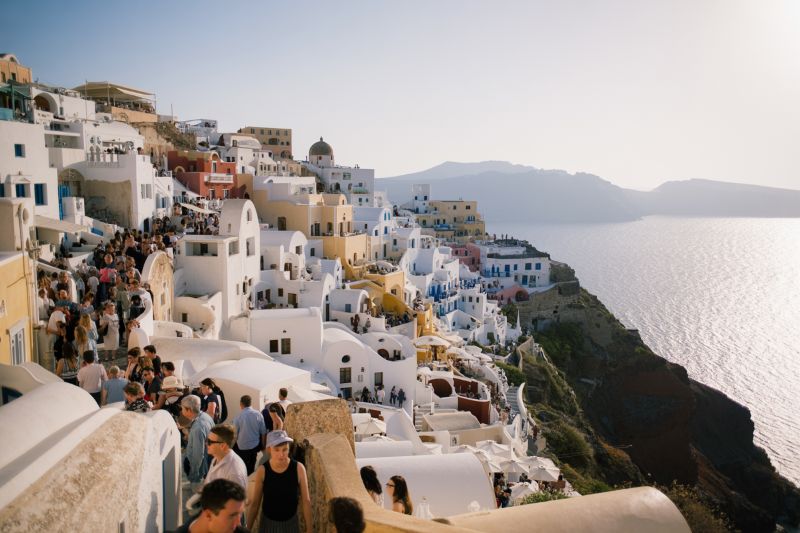
An updated set of travel restrictions has been issued by Greece that might affect tourists coming from the United Kingdom the most. Greece has been suffering from overtourism which has brought a lot of stress to the local infrastructure, the housing market, and overall the sustainability of Greece’s most popular destinations. Thus, the Greece government’s new measures might restrict access more for the tourists from the United Kingdom to certain regions of Greece that are already very crowded.
New Travel Restrictions for High-Demand Areas
Greece’s proposed travel restrictions aim to limit the number of visitors to specific regions that have been hit hardest by overtourism. These measures are particularly focused on high-demand tourist areas such as parts of Athens and the Cyclades Islands, which have seen a massive influx of visitors in recent years. Under these new rules, tourists may face restrictions on where they can stay, particularly in districts that are already experiencing significant strain on housing availability and local resources.
For British tourists, many of whom flock to iconic destinations like Athens, Santorini, and Mykonos, these new regulations could mean fewer options for accommodation in popular areas. In an effort to manage the surge in tourism, the Greek government has proposed bans on new short-term rental licenses in certain regions, which could affect travelers who rely on platforms like Airbnb for booking their stays.
This move is part of a broader effort to strike a balance between supporting the tourism industry and maintaining the quality of life for local residents. It aims to prevent overcrowding in key tourist hubs, where the demand for short-term rentals has led to rising housing costs and a lack of affordable housing for locals.
The Surge in Short-Term Rentals and Its Impact on Local Housing Markets
One of the main drivers behind these new regulations is the massive increase in short-term rentals across Greece. While short-term rentals have provided a boost to the tourism industry, they have also contributed to a significant imbalance in the local housing market.
In 2024, Greece had an average of 46 short-term rental properties per 1,000 permanent residents. However, in certain areas, such as the Cyclades Islands, that number is staggering, with 611 short-term rentals per 1,000 residents. This has led to an imbalance, where properties that would traditionally be available for long-term residents are now being converted into vacation homes. As a result, local residents face challenges in finding affordable places to live, and the cultural fabric of these areas is being altered.
The Greek government’s attempt to address this imbalance includes extending a ban on issuing new short-term rental licenses in high-demand regions. By restricting the expansion of short-term rentals, the government aims to relieve some of the pressure on local housing markets while also ensuring that tourism remains manageable. However, this also means that British and other international tourists may find it more difficult to book accommodation in some of the most sought-after areas of Greece.
Impact on British Tourists and Their Travel Plans
For UK holidaymakers, the impact of these new restrictions could be substantial. British travelers, who are some of the largest groups of visitors to Greece, may find themselves unable to stay in their favorite destinations if the short-term rental ban is extended to more regions. Areas like Athens, Santorini, and Mykonos, which are known for their vibrant tourist industries, could see fewer accommodation options available, especially for those looking for more affordable stays through rental platforms.
The overtourism problem has been compounded by the rise of budget airlines and online booking platforms, which have made it easier than ever for tourists to flock to these popular destinations. However, the surge in visitors has led to increased congestion at tourist sites, longer wait times at restaurants, and a degradation of the very experiences that make these destinations desirable in the first place. As the Greek government moves to manage these issues, British tourists may need to reconsider their travel plans or be more flexible in their choice of accommodation and destinations.
Rebalancing Tourism with Local Needs
While tourism is a significant economic driver for Greece, it has also put considerable pressure on local infrastructure. The increase in short-term rentals has contributed to rising property prices and rent, making it harder for residents to afford living in popular areas. The government’s measures, including the proposed ban on new short-term rental licenses, are aimed at tackling these issues by promoting a more sustainable approach to tourism.
The government is also considering restricting the development of new hotels in certain parts of Greece to avoid exacerbating the problem. By limiting the growth of the tourism sector in specific regions, the government hopes to preserve the quality of life for residents while still supporting the industry as a whole.
For British tourists planning trips to Greece, it is crucial to stay updated on the new regulations. Travelers may need to adjust their plans, considering alternative accommodation options or less crowded destinations. Smaller towns and rural areas that have been less affected by overtourism may present a more relaxed and authentic Greek experience, allowing travelers to enjoy the beauty of the country while avoiding the strain placed on major tourist hotspots.
Looking Ahead: The Future of Tourism in Greece
The introduction of these new regulations signals a shift in how Greece approaches its tourism sector. While the country remains committed to maintaining its status as one of Europe’s top travel destinations, the government’s emphasis on managing the impact of overtourism reflects a growing awareness of the need for more sustainable tourism practices.
The focus on balancing the needs of local residents with the expectations of international tourists is a delicate one. By placing restrictions on short-term rentals, the Greek government is taking a proactive approach to preserving the character of its cities and islands while still welcoming travelers. This move could serve as a model for other European destinations struggling with similar issues of overcrowding and housing affordability.
For British tourists and others planning their next vacation to Greece, flexibility and awareness of these evolving regulations will be key to ensuring an enjoyable and responsible experience. It is likely that more countries in Europe will follow Greece’s lead in managing the pressures of mass tourism, encouraging travelers to explore less-visited gems and embrace sustainable tourism practices.
Navigating the New Travel Landscape in Greece
Greece’s newly implemented travel restrictions seem to bring a significant change to the country’s association with tourism. With British tourists and other tourists as well possibly facing changes to their travel plans, they should pay attention to the ever-changing scenario and accordingly choose their points of stay and visit. Greece is already utilizing sustainable tourism tools and overcoming the challenges of ankylosing tourism – Greece is already on the right path toward a more responsible and responsible tourism policy, even more so for the residents and tourists of Greece themselves.
