
Tista’ taqra bil-
Malti.
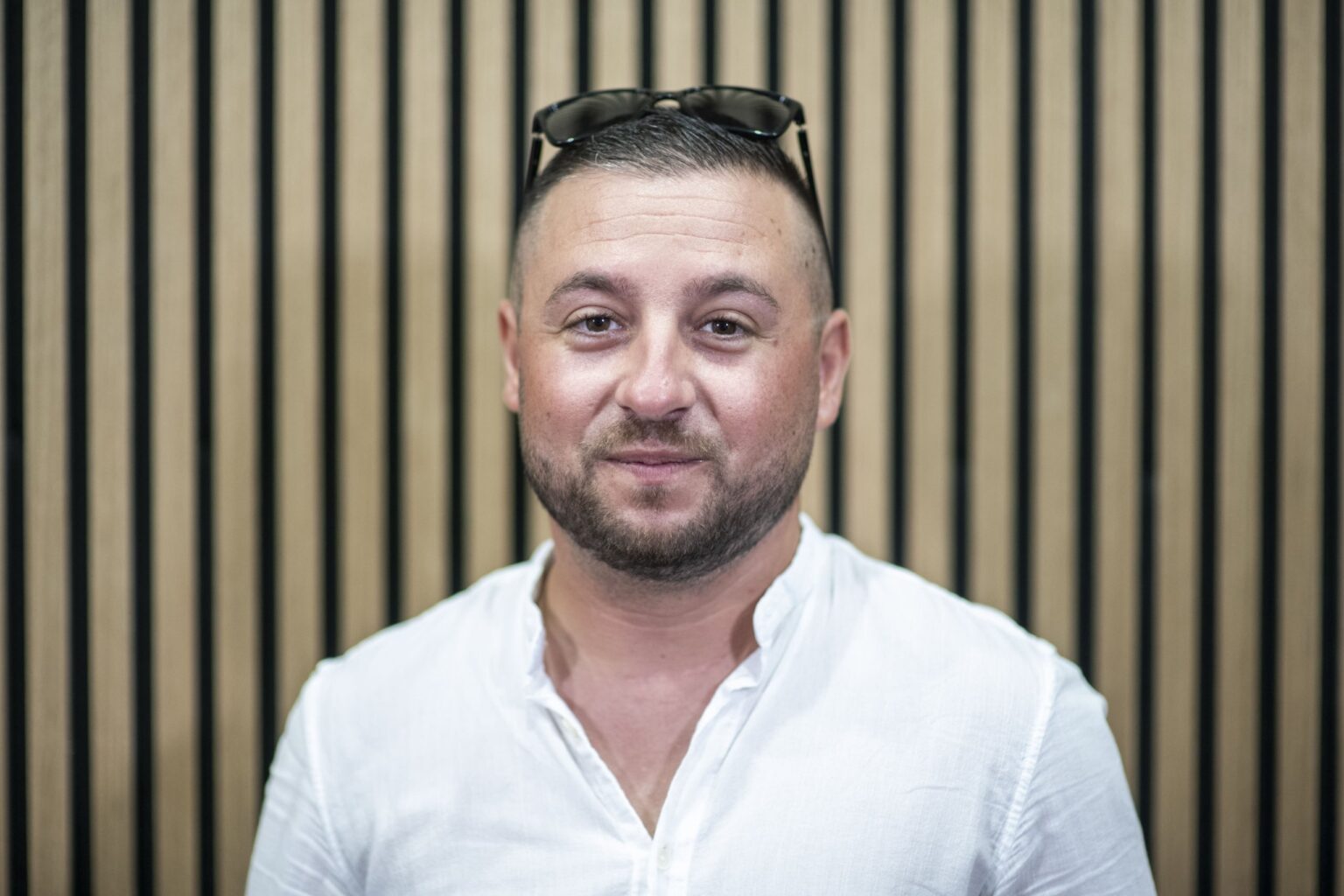
Josef Cassar’s condition is so rare that doctors have named it after him. The “IRF7 Cassar Syndrome” has plagued him for three and a half years with relentless symptoms: body-wide swelling, excruciating pain, severe itching, facial burning, muscle knots, and crushing fatigue. Some nights, the pain keeps him awake entirely. On his worst days, he describes feeling as though his body is on fire.
Two months ago, Cassar launched a public appeal for help accessing Canakinumab, a monthly injectable medication costing thousands of euros that has proven effective in managing his symptoms. The response was overwhelming, so much so that health authorities fast-tracked his case. Yet after weeks of waiting, the answer arrived in a brief email: “Sorry, you don’t fall in any category so you can’t have this medicine.”
The rejection encapsulates a fundamental flaw in Malta’s healthcare system: its inability to accommodate conditions that don’t fit predetermined categories. Cassar’s predicament highlights the bureaucratic rigidity that can leave patients with rare diseases trapped between medical need and administrative impossibility.
“There can’t be a category if you’re the first one. You have to create the category,” Cassar argues, his frustration evident. Having already purchased the medication out of pocket to prove its efficacy, he questions why the authorities won’t provide it when evidence shows it works. “I bought them on my own so I could fight it because he says ‘why should I give you this medicine when it’s not there for your cases? Why does it work?’”
The emotional toll extends beyond physical suffering. Cassar, a father of two young children, faces the impossible choice between depleting his family’s resources on medication or enduring debilitating symptoms indefinitely. His daughter shares the same genetic condition, adding another layer of urgency to his quest for systemic change.
“If it wasn’t for the girl, I wouldn’t be here anymore,” he admits candidly. His daughter’s own health struggles, including meningitis, septicaemia, and hearing loss requiring surgery, have shaped his determination to find solutions. “I started saying ‘I want to find a cure for myself so she doesn’t go through what I went through.’”
The invisibility of his condition compounds the challenge. On some days, symptoms retreat enough that his suffering becomes imperceptible to others, yet the underlying pain persists. “The worst thing is that on some days it seems as if everything has passed because the symptoms are not visible to the eyes, although the pain never subsides,” he explains.
Cassar’s critique extends beyond his personal situation to the broader healthcare system. While acknowledging Malta’s many skilled doctors, he identifies systemic inefficiencies that force patients to wait months or years for attention to symptoms requiring urgent intervention.
“Why do you let a person suffer?” he asks. “Maybe you are not going to cure him, but help him. Or tell him, even if you talk to him like a human being, tell him ‘I don’t think this medicine will help you, let’s get something else, or let’s send you for this test.’ You don’t tell him ‘no you won’t take this.’”
His case raises uncomfortable questions about healthcare rationing and compassionate access. When standard categories fail to accommodate a patient’s needs, how should authorities respond? Cassar’s situation suggests the system lacks mechanisms for exceptional cases—precisely the scenarios where bureaucratic flexibility matters most.
The psychological impact of chronic illness emerges clearly in Cassar’s account. He acknowledges the daily struggle of waking up uncertain how he’ll feel, the sadness that bookends his days, and the constant presence of unpredictable symptoms. Yet he’s found anchors: family, fishing, and friends provide mental respite from physical torment.
His message to others facing similar struggles avoids false optimism while offering genuine insight: “I know it is difficult and I would be lying if I told you ‘and let it pass’ because to this day I still wake up sad and go to bed sad, but try to find something to mentally relax with.”
Cassar’s story illuminates a critical gap in Malta’s healthcare provision, the space between medical innovation and administrative adaptation. As rare diseases gain recognition and new treatments emerge, healthcare systems must evolve beyond rigid categorical thinking. The alternative risks leaving patients like Cassar stranded between hope and bureaucracy, watching effective treatments remain tantalizingly out of reach.
The question his case poses is ultimately about values: in a system designed to serve the many, how do we ensure the few aren’t forgotten? For Cassar, the answer seems disappointingly clear. Despite proving a treatment works, despite public support, despite medical need, the response remains unchanged: “Sorry, you can’t have this medicine.”
Watch full interview below:

