
Retiring coal plants set for nuclear revival as China bets on meltdown-proof reactors | China explores coal-to-nuclear shift, using retiring plants for advanced reactors to speed clean energy transition.
https://interestingengineering.com/energy/china-coal-to-nuclear-transition
2 Comments
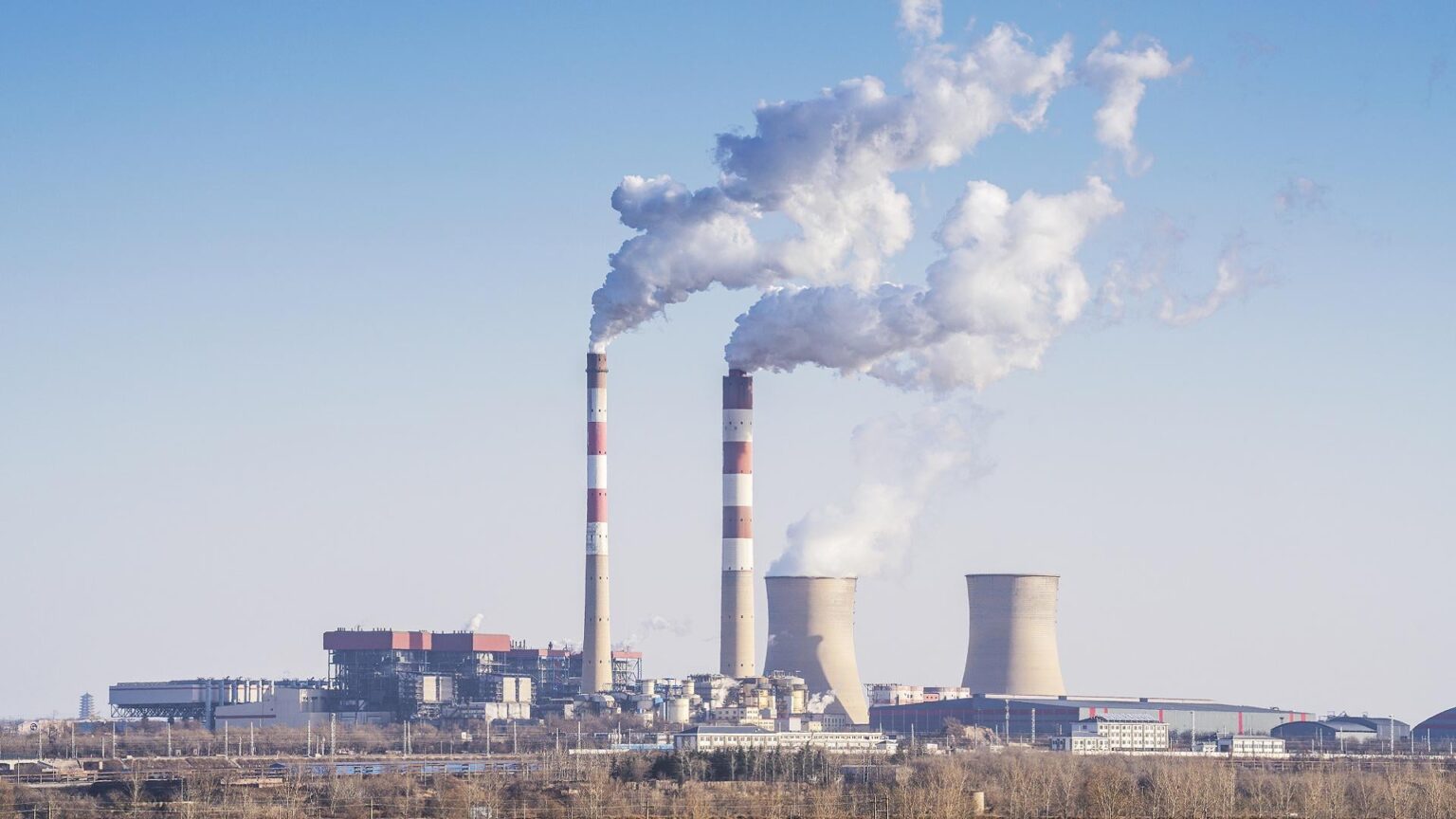
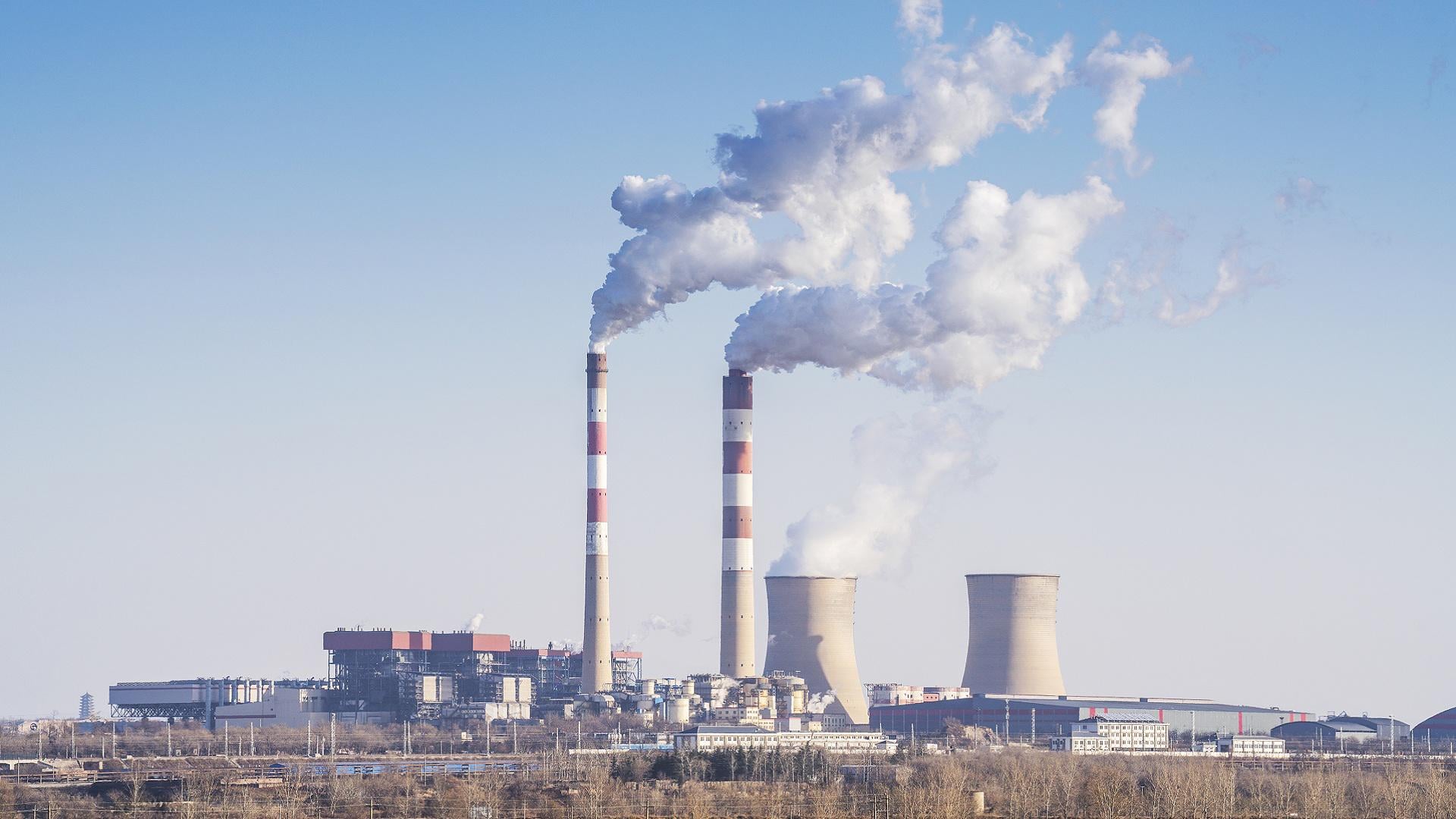
From the article: China is exploring plans to convert retiring coal-fired plants into nuclear power stations. The move targets the nation’s vast coal capacity, which is enough to power the entire United States.
Driven by decarbonisation goals and land scarcity, the “Coal to Nuclear” (C2N) strategy aims to use retiring plants’ grid and water access for compact, meltdown-proof reactors. This could offer a faster route to clean energy than building new nuclear sites.
China could be the only country capable of this. Its high-temperature gas-cooled reactors and molten salt thorium reactors generate hotter steam than ordinary reactors. That allows them to power coal-fired turbines efficiently.
These fourth-generation reactors may also meet safety requirements more easily and gain public acceptance, researchers say. China has over 1.19 terawatts of coal-fired power, with roughly 100 gigawatts set to retire by 2030.
According to SCMP, the C2N initiative, proposed by China Energy Engineering Group Co (CEEC), provides a direct path to decarbonisation while preserving infrastructure, especially in coastal areas. It is drawing attention from policymakers, engineers, and environmental analysts amid China’s dual goals of clean energy and carbon neutrality by 2060.
Globally, coal-fired plants produce about 30% of energy-related carbon dioxide emissions. In China, coal still generates over half of electricity, making it the single largest greenhouse gas source. Nuclear power produces near-zero emissions during operation, with life-cycle emissions comparable to wind energy. China has the world’s largest number of nuclear reactors in use, under construction, or planned.
“Given China’s vast coal-fired power capacity and the long construction timeline for nuclear plants, the C2N transition could span several decades,” wrote the project team led by senior engineer Li Xiaoyu with CEEC’s China Power Engineering Consulting Group.
“During this period, if breakthroughs occur in nuclear fusion technology, the future transformation of coal plants might shift from converting them into fission reactors to repurposing them for fusion power plants,” Li added.
It is crazy how we have been sitting on nuclear power for so long because of fear and misinformation. With the huge power demands of Ai datacenters nuclear power is becoming a necessity. Imagine if the world had truly embraced and developed nuclear power decades ago.