
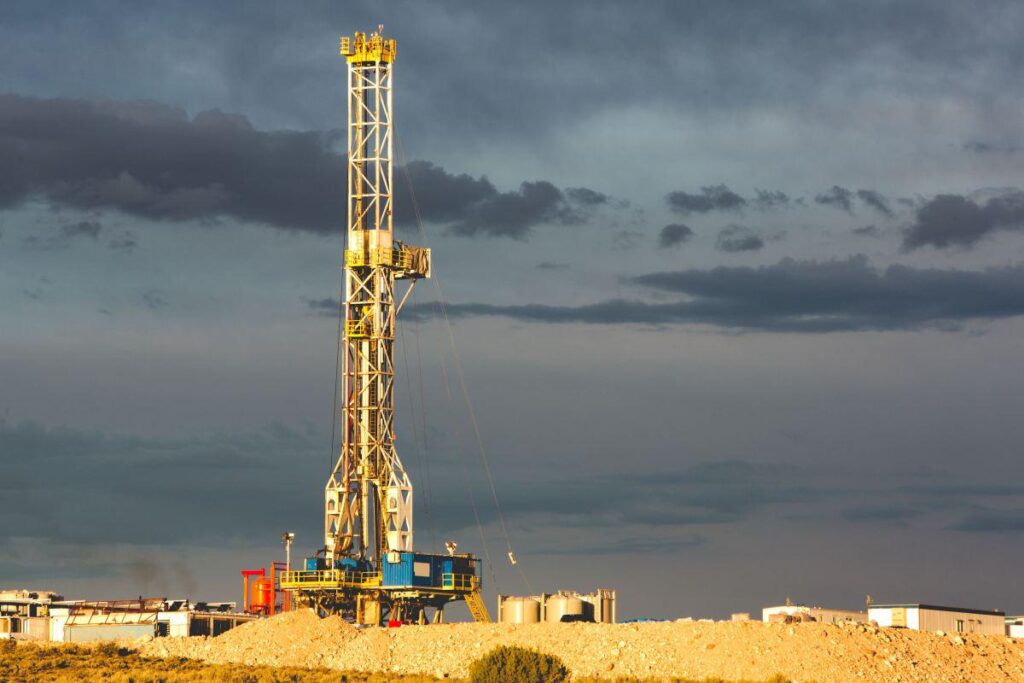
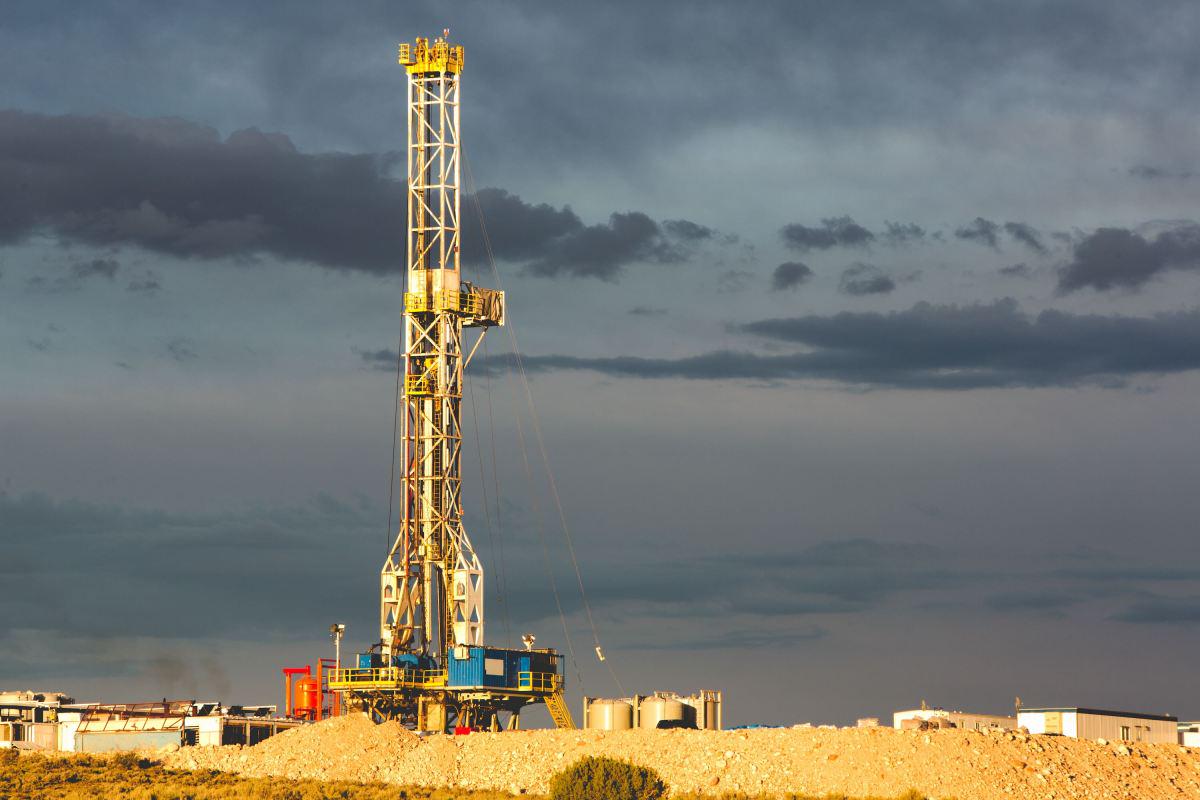
This is a novel approach to geothermal energy. Existing methods, like industry leader Fervo, rely on drilling into hot rock and interacting directly with underground reservoirs. Rodatherm's method is entirely closed loop. It says that its closed-loop, refrigerant-based approach is 50% more efficient than a typical water-based system. However, it may have higher costs with drilling and installation. It just received $38 million in funding to build a pilot project in Utah to begin testing out its tech.
According to Wood Mackenzie, Fervo’s Cape Station project is demonstrating commercial viability at around US $79 per MWh without subsidies. Though it's working toward a target of US$45/MWh by 2035.
Rodatherm Energy wants to make geothermal more efficient, but will it be cheaper?
Canadian startup Rodatherm says its closed loop refrigerant fluid geothermal system may be 50% more efficient than existing geothermal tech.
byu/lughnasadh inFuturology
4 Comments
The more emission-free power we get, the better. Especially if we can sidestep the groundwater issues implicit in digging that deep.
I do worry what happens with maintenance that far down, though. A leak or rupture spilling coolant that far down can’t be good.
This cannot be more efficient than traditional deep geothermal energy. The contact area is tiny compared to drilling into a reservoir where the contact area is spread out over >1km3.
Closed loop geothermal systems are extremely common. I don’t see what’s novel about this tech.
My understanding is geothermal comes in two categories: high‑enthalpy and low‑enthalpy. Low‑enthalpy projects often face limitations, so this would be valuable for sites far from hot spots that can leverage pressure differences for heat extraction.