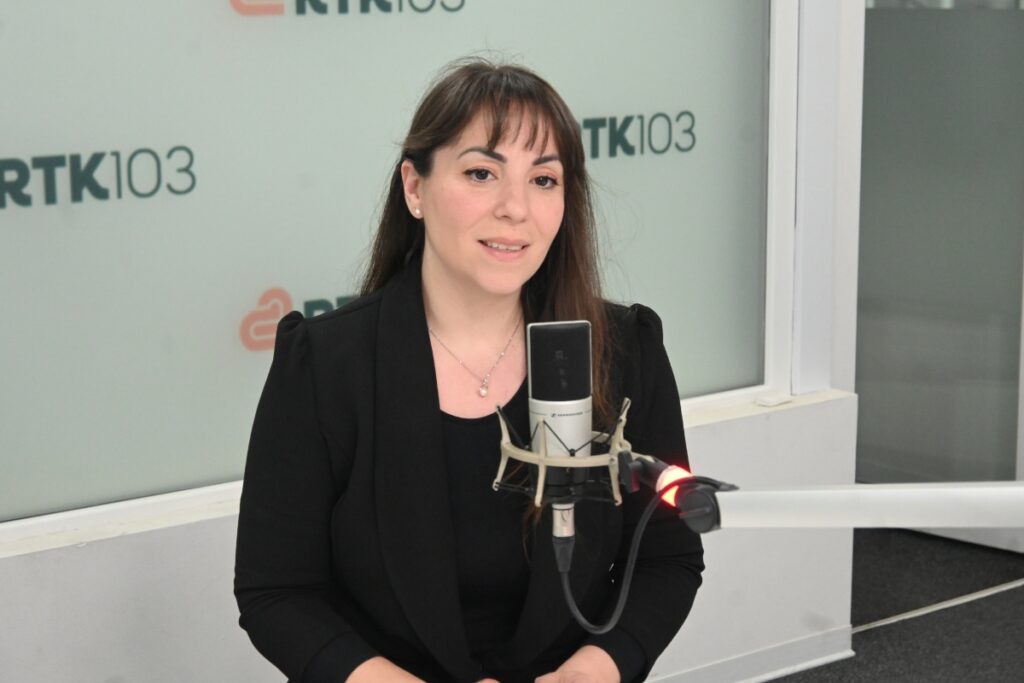
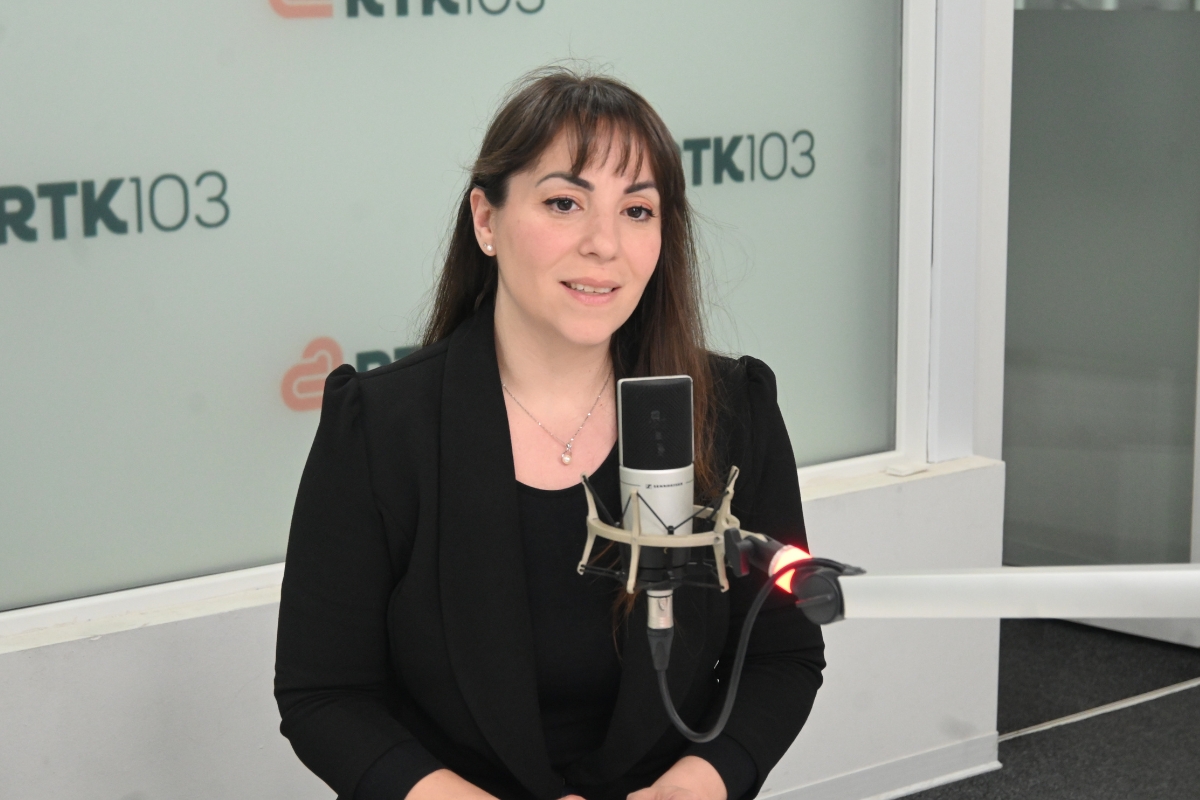
 Ritratt ta’ Viktoria Nikolla
Tista’ taqra bil-
Malti.
Shadow minister for culture Julie Zahra has called on Malta to join others in boycotting the next edition of the contest if Israel takes part, criticising the government for refusing to do so in the face of an ongoing genocide in Gaza perpetrated by the country’s forces.
Various countries have confirmed that they will boycott the next edition if Israel takes part, most notably Spain, one of the “big five” countries which qualify automatically for the contest final due to their significant contribution to the budget of the contest’s organisers, the European Broadcasting Union.
But in the face of an ongoing Gaza genocide – confirmed as one by a landmark UN inquiry whose findings were published just this week – Malta’s ostensibly pro-Palestinian government refuses to follow suit.
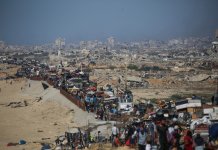
Culture minister Owen Bonnici spouted platitudes to justify this timid stance, insisting with the Times of Malta that he encouraged “a culture of dialogue” as he ruled out a Maltese boycott, even as he confirmed that he agreed with the UN’s assessment that Israel was committing a genocide.
But Zahra – a former Eurovision contestant – has made clear her disagreement with the government’s timid stance.
The Nationalist Party MP recalled that Russia was prohibited from participating in the contest following its invasion of Ukraine in 2022, a ban which only came after various countries threatened to withdraw, Malta predictably not among them. In this context, the EBU had said that the inclusion of Russia’s entry “would bring the competition into disrepute.”
There had been no similar threats by countries to boycott the contest over Israel’s participation in the last two editions, which followed the start of the ongoing Gaza war, though Israel’s participation was nevertheless controversial. But as the death tolls in Gaza mount and many traditional Israel allies are shifting their stance on the country, a number of Eurovision participants have now laid the gauntlet.
While Zahra noted that the EBU will only be deciding on Israel’s participation next December, she insisted that the situation in Gaza cannot be ignored, explicitly recalling the UN’s recognition of the situation as a genocide.
The MP stressed that sending a message of condemnation and protest was essential to artistic expression.
“I believe, therefore, that Malta must follow suit, and disagree with the government’s position because it too has the opportunity to use an artistic forum to send a message of condemnation and protest.”
Zahra emphasised that any funds that would have been used for Malta’s Eurovision participation could still be allocated to Maltese artists, to ensure that the boycott does not ultimately hurt them.
“But it is a natural step to use music to deliver a message of peace, and Malta should choose to do what other countries have already done,” she said.
Zahra who represented Malta in the 2004 edition of the contest as one half of the duo “Julie and Ludwig,” is one of two Eurovision contestants in Malta’s parliament: fellow PN MP Claudette Buttigieg represented Malta in 2000.
Three other past Maltese contestants in the Eurovision Song Contest – Thea Garrett, Glenn Vella and Amber – had joined dozens of participants from other countries in signing an open letter calling for Israel’s exclusion from the contest earlier this year.