NASA Selects Blue Origin to Deliver VIPER Rover to Moon’s South Pole
NASA Selects Blue Origin to Deliver VIPER Rover to Moon’s South Pole

NASA Selects Blue Origin to Deliver VIPER Rover to Moon’s South Pole
NASA Selects Blue Origin to Deliver VIPER Rover to Moon’s South Pole
5 Comments
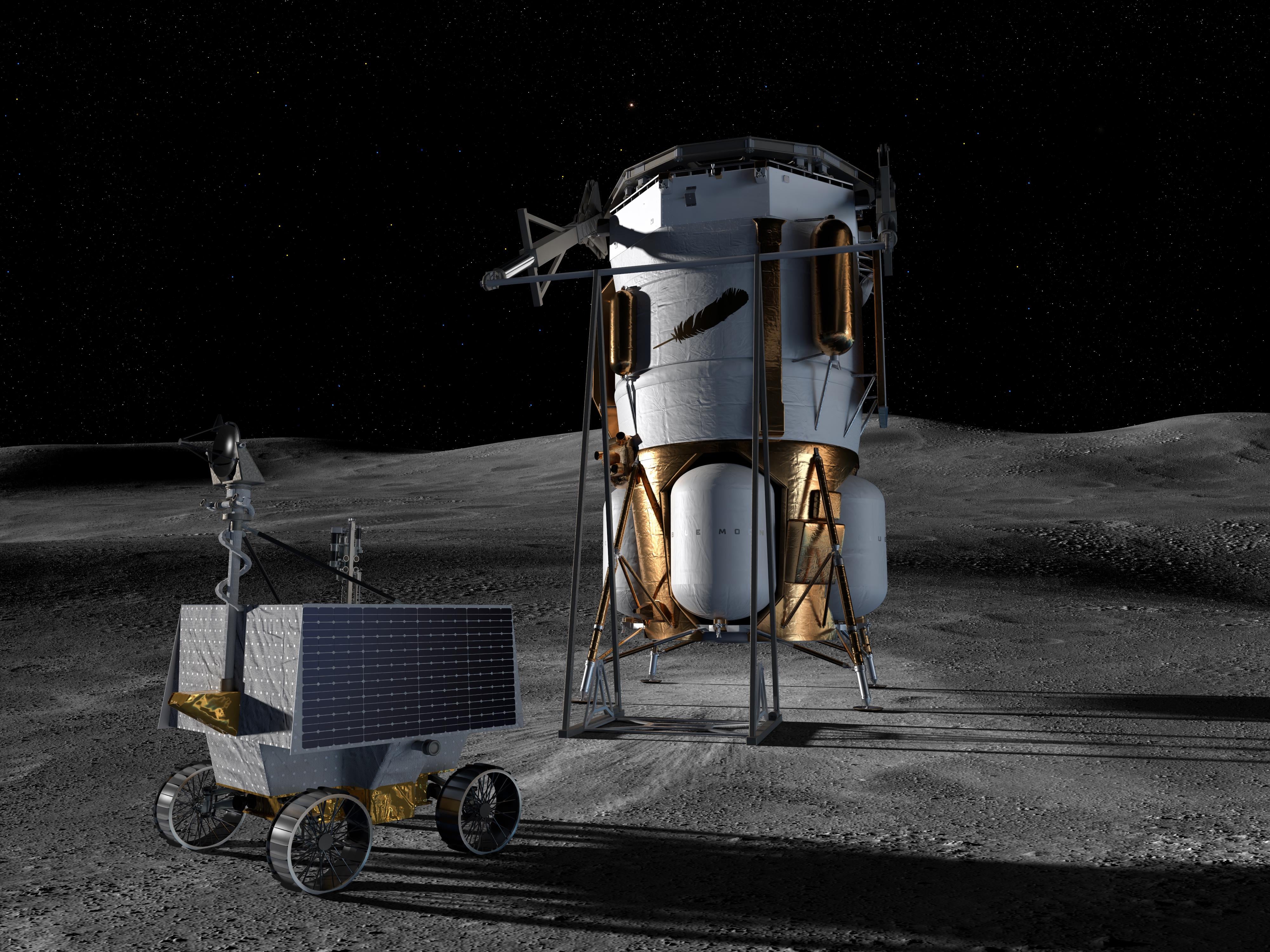
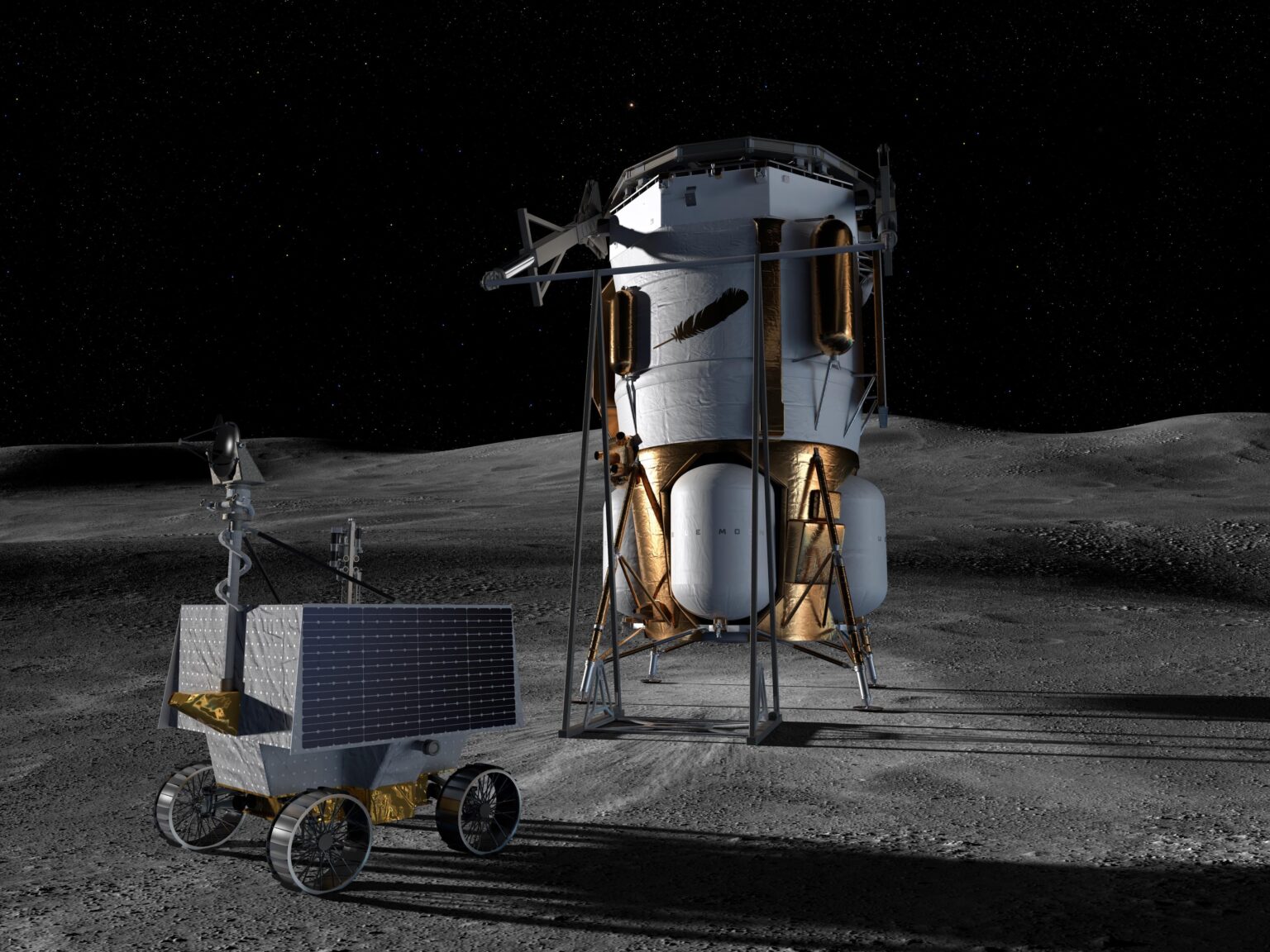
As part of the agency’s Artemis campaign, NASA has awarded Blue Origin of Kent, Washington, a CLPS (Commercial Lunar Payload Services) task order with an option to deliver a rover to the Moon’s South Pole region. NASA’s VIPER (Volatiles Investigating Polar Exploration Rover) will search for volatile resources, such as ice, on the lunar surface and collect science data to support future exploration at the Moon and Mars.
The CLPS task order has a total potential value of $190 million. This is the second CLPS lunar delivery awarded to Blue Origin. Their first delivery – using their Blue Moon Mark 1 (MK1) robotic lander – is targeted for launch later this year to deliver NASA’s Stereo Cameras for Lunar-Plume Surface Studies and Laser Retroreflective Array payloads to the Moon’s South Pole region.
With this new award, Blue Origin will deliver VIPER to the lunar surface in late 2027, using a second Blue Moon MK1 lander, which is in production. NASA previously canceled the VIPER project and has since explored alternative approaches to achieve the agency’s goals of mapping potential off-planet resources, like water.
The task order, called CS-7, has an award base to design the payload-specific accommodations and to demonstrate how Blue Origin’s flight design will off-load the rover to the lunar surface. There is an option on the contract to deliver and safely deploy the rover to the Moon’s surface. NASA will make the decision to exercise that option after the execution and review of the base task and of Blue Origin’s first flight of the Blue Moon MK1 lander. This unique approach will reduce the agency’s cost and technical risk. The rover has a targeted science window for its 100-day mission that requires a landing by late 2027.
I don’t mean to be a negative Nancy, but what is the likelihood that Blue has a working rocket by then?
I seem to be a little behind here, didnt VIPER get de-funded? Last I heard they we considering selling it to a private company with the expectation they finish the test and figure out launch?
When I read Viper Rover I was imagining something that looked a little more badass…
Ironically this might be a better outcome for VIPER than if it wasn’t defunded and moved off Astrobotic’s Griffin.
Now they aren’t on the first mission of a new lander, which should increase the odds of success by a lot…