
Published on
September 20, 2025

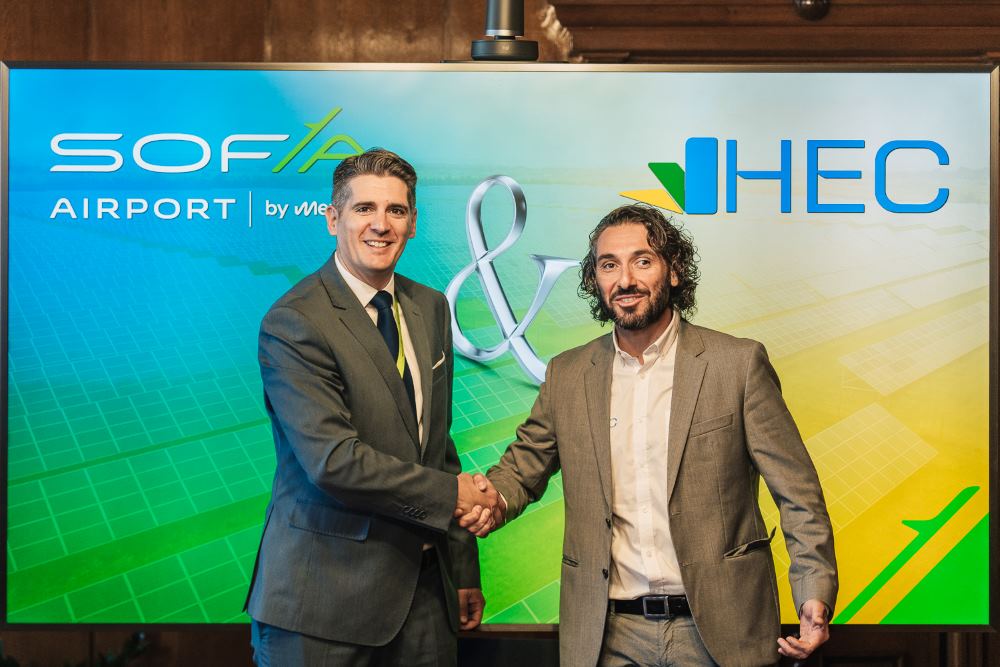
At Vasil Levski Sofia Airport, managed by SOF Connect, work is well underway on a new photovoltaic (PV) power plant aimed at realising the airport’s sustainability ambitions. Once operational, the facility is expected to produce almost 5 MW of renewable electricity, meaning a sizeable power contribution for Bulgaria’s decarbonisation strategy. Generating this clean electricity while managing the airport’s energy needs encourages, in parallel, the rise of eco-tourism, a key priority in the country’s economic vision. SOF Connect has partnered with the Hydroenergy Company (HEC) on this venture, and the plant’s commissioning is expected to consolidate Sofia Airport’s position at the forefront of green airport operational excellence.
A Major Shift Toward Sustainable Operations at Sofia Airport
The new solar plant will be installed over an area of 50,000 m², featuring about 8,300 solar modules. This state-of-the-art installation will allow the airport to generate a significant portion of its own power from renewable sources, reducing its reliance on conventional electricity. The project is expected to be completed by the end of 2026, marking a significant milestone in the airport’s sustainability journey.
To further enhance energy management, SOF Connect plans to incorporate a battery storage system, ensuring that excess energy generated during peak sunlight hours can be stored and used during periods of high demand. This added feature will optimize the airport’s energy efficiency and ensure a continuous, reliable power supply.
Supporting Bulgaria’s Green Tourism and Environmental Goals
The introduction of this solar power plant aligns with SOF Connect’s broader strategy to achieve full decarbonization at Sofia Airport by 2036. By generating clean, renewable energy, the plant will significantly reduce the airport’s carbon emissions, helping Bulgaria meet its national sustainability targets and environmental commitments.
This green energy initiative will also benefit Bulgaria’s tourism industry. As international travelers increasingly seek eco-friendly destinations, Sofia’s commitment to clean energy and sustainability is likely to make the country a more attractive option for eco-conscious tourists. Airports are key entry points for travelers, and an airport that prioritizes sustainability can positively impact the entire destination’s appeal to green travelers.
A Key Milestone in Bulgaria’s Renewable Energy Transition
The installation of this solar plant represents a major step in Bulgaria’s transition toward renewable energy. As part of the European Union’s climate and energy goals, Bulgaria is working to reduce its dependence on fossil fuels and boost the use of renewable resources. Projects like the one at Sofia Airport demonstrate the country’s determination to become a regional leader in clean energy.
By investing in this large-scale renewable energy project, Sofia Airport is not only supporting Bulgaria’s green energy transition but also showcasing how the aviation industry can lead by example in the fight against climate change. The project will also create new jobs in the renewable energy sector, contributing to Bulgaria’s economy and fostering technological innovation.
Boosting Bulgaria’s Eco-Tourism Reputation
This solar initiative is expected to play an important role in enhancing Bulgaria’s growing eco-tourism sector. As the global tourism industry continues to move toward more sustainable practices, destinations with a strong commitment to the environment will stand out. Sofia Airport’s efforts to integrate renewable energy into its operations align with this trend, positioning Bulgaria as a top destination for environmentally conscious travelers.
Eco-tourism is one of the fastest-growing segments of the global tourism market, and countries that embrace green tourism practices are likely to benefit from increased visitation. By powering its airport operations with solar energy, Sofia is sending a clear message to travelers that the country is committed to sustainable practices and eco-friendly initiatives. This will undoubtedly contribute to Bulgaria’s broader tourism strategy and enhance its international appeal.
Public-Private Partnership Driving Sustainability
The collaboration between SOF Connect and Hydroenergy Company on this solar project is an example of how public-private partnerships can help drive sustainable infrastructure development. By combining the expertise of both organizations, Bulgaria is able to implement large-scale renewable energy solutions that will benefit not only Sofia Airport but the entire country.
This partnership also underscores the importance of innovation in tackling global challenges such as climate change. Through projects like this, Bulgaria is proving that it is possible to integrate renewable energy into major infrastructure projects, providing long-term environmental and economic benefits.
Conclusion: Sofia Airport Leads the Way in Eco-Friendly Aviation
Sofia Airport’s new solar power plant is a significant achievement in the country’s efforts to reduce carbon emissions and promote sustainable practices within the aviation industry. By generating renewable energy, Sofia Airport will not only reduce its environmental impact but also support Bulgaria’s green tourism ambitions.
By implementing this initiative, Sofia is drumbeating its role as a pioneer in environmentally responsible airport operations, proving the aviation industry can power the global sustainability mission. Increasingly eco-minded travelers look for green credentials, and Sofia’s commitment to 100% clean energy will undoubtedly strengthen its appeal to nature-savvy visitors. Launching this project, Sofia Airport issues a clarion call to peers around the world: sustainability does not compromise operational efficiency; in fact, the two can strengthen one another.
The 5 MW solar facility, constructed right on the airport’s tarmac, marks a definitive stride towards a cleaner, greener, and more socially responsible future. This landmark achievement will not only drive progressive aviation practices across Bulgaria and recast the airport’s energy profile, but will likewise enlighten the country’s tourism sector. The result is dual: sustained economic benefit fused with profound environmental care.
Image Credit: Sofia Airport
