
Published on
September 22, 2025

Starting on 21st and continuing on 22nd September, travel disruption struck three key international airports, as KLM Royal Dutch Airlines grounded triple flights, leaving passengers stranded. This sudden halt in operations affected critical routes connecting Amsterdam, the bustling hub of the Netherlands, to major cities like Almaty in Kazakhstan and Dublin in Ireland. The ripple effect from these cancellations and delays was felt across multiple international corridors, creating inconvenience for travelers eager to reach their destinations. According to FlightAware data, a total of 3 KLM flights were canceled along with 210 delayed flights across KLM’s network, the numbers tell the story of an operational breakdown that stretched from Europe to Asia.
Affected Flights
The disruption was primarily caused by the cancellation of 3 KLM flights. The flights, originating from and arriving at major airports in Kazakhstan, the Netherlands and Ireland, were scheduled for critical international connections.
- KLM9462: The first flight, KLM9462, was scheduled to depart from Almaty International Airport (ALA / UAAA) in Kazakhstan and head to Amsterdam Schiphol Airport (AMS / EHAM) in the Netherlands. This flight was scheduled to depart at 3:50 PM local time (GMT+5) on Sunday but was ultimately canceled, leaving passengers stranded at the Almaty airport.
- KLM1135: The second affected flight, KLM1135, was set to travel from Amsterdam Schiphol (AMS) to Dublin International Airport (DUB / EIDW) in Ireland, departing at 7:50 AM CEST on Monday. This flight also faced a cancellation, disrupting many travelers looking to reach Dublin.
- KLM1136: The third and final affected flight, KLM1136, was a return flight from Dublin International (DUB) to Amsterdam Schiphol (AMS), scheduled for a 9:05 AM departure on Monday. Like the previous two, this flight was canceled, exacerbating the already challenging travel situation for passengers.
Affected Routes
- Almaty to Amsterdam: The flight from Almaty (ALA) to Amsterdam (AMS) is a crucial link for travelers between Kazakhstan and Europe. A cancellation on this route means not only the immediate inconvenience of stranded passengers but also potential delays to future connections to other European destinations.
- Amsterdam to Dublin: As one of the busiest air corridors in Europe, the Amsterdam (AMS) to Dublin (DUB) route is frequently used by business and leisure travelers. A disruption on this route creates a significant bottleneck, affecting many more flights and passengers on connecting legs.
- Dublin to Amsterdam: This flight serves as a vital connection for passengers traveling between Ireland and the Netherlands. Cancellations on this route create a cascading effect on both airports, affecting multiple airlines and traveler itineraries.
Delays
In addition to the three canceled flights, there were reports of 210 delays impacting passengers across various KLM flights. The delays account for 29% of KLM’s scheduled departures, further contributed to the mounting frustration for travelers already affected by cancellations. Delays in airports can result from a range of factors, including logistical issues, weather-related complications and technical difficulties. Given the high volume of passengers impacted by this disruption, the delays also put extra strain on airport services and flight operations, further complicating the travel experience for many.
Affected Airports
- Amsterdam Schiphol Airport (AMS / EHAM): As KLM’s home base, Amsterdam Schiphol serves as a primary hub for many international connections. The flight cancellations from AMS, combined with delays affecting other routes, created a ripple effect across many other flights within Europe and beyond. Schiphol is one of Europe’s busiest airports and such disruptions can lead to significant overcrowding, confusion and stress for both passengers and airport staff.
- Almaty International Airport (ALA / UAAA): Located in Kazakhstan, Almaty International is a key gateway for international flights into the country. KLM’s cancellation of the flight to Amsterdam directly affected this airport’s operations, leading to passenger congestion and delays. With fewer direct flights to Europe, such disruptions can significantly impact local and regional tourism.
- Dublin International Airport (DUB / EIDW): Dublin, a major European hub, was also severely impacted by the flight cancellations. As one of Europe’s key air travel gateways, any disruption to flights at Dublin International reverberates through other flights and delays throughout Europe. Given the importance of air travel to the Irish economy, such disruptions can have widespread consequences.
The cancellations and delays caused by KLM might have an indirect impact on local tourism in the affected countries.
- Kazakhstan (Almaty): As Kazakhstan’s largest city, Almaty is a popular destination for business and leisure travelers. The cancellation of KLM’s flight to Amsterdam directly impacts visitors to the city, potentially dissuading future travelers who may face unreliable air travel.
- Netherlands (Amsterdam): Amsterdam is one of the most popular tourist destinations in Europe. Flight disruptions at Schiphol could lead to a reduction in tourist arrivals, especially during peak travel seasons. Any delay or cancellation could dissuade travelers from choosing Amsterdam as their final destination.
- Ireland (Dublin): Dublin is another major European destination, particularly for American tourists. The cancellations and delays may create difficulties for those planning vacations or business trips, leading to fewer arrivals and affecting the local tourism economy.
Passengers affected by KLM’s flight cancellations have several options. The airline typically provides compensation, rebooking options and in some cases, hotel accommodations for long delays. Affected travelers should immediately reach out to KLM customer service for guidance on alternative flights and rebooking procedures.
For those seeking compensation, it is essential to consult with KLM regarding their rights as passengers, especially under the European Union’s EC 261/2004 regulation, which protects travelers from cancellations and delays. It’s also advisable to keep all receipts and documentation for any additional expenses incurred as a result of the disruption, such as meals and overnight accommodations.
As KLM works to resolve these issues, passengers should stay informed about any further cancellations or delays through KLM’s official communication channels, including their website and social media pages.
In conclusion, the travel disruption faced by KLM on 21st September, has left passengers stranded and dealing with delays. As FlightAware data highlights, the airline’s cancellations and delays have significantly impacted key international routes. Passengers are advised to stay updated on rebooking options and compensation procedures.
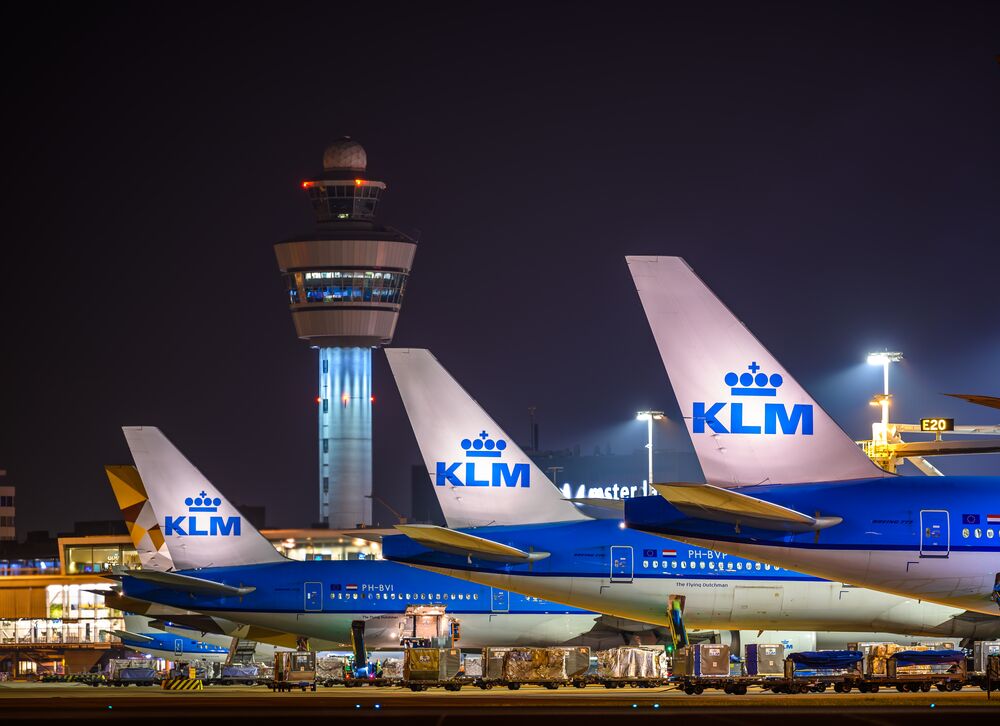
Image Credit- KLM (Official)
