
Mariana Borikova never imagined that when she arrived in Ofrynio, in Greece’s northern city of Kavala, in 2001 – a 20-year-old from Sandanski, Bulgaria, seeking work in the hospitality industry – she would one day co-manage one of the area’s most prominent real estate agencies alongside a fellow compatriot.
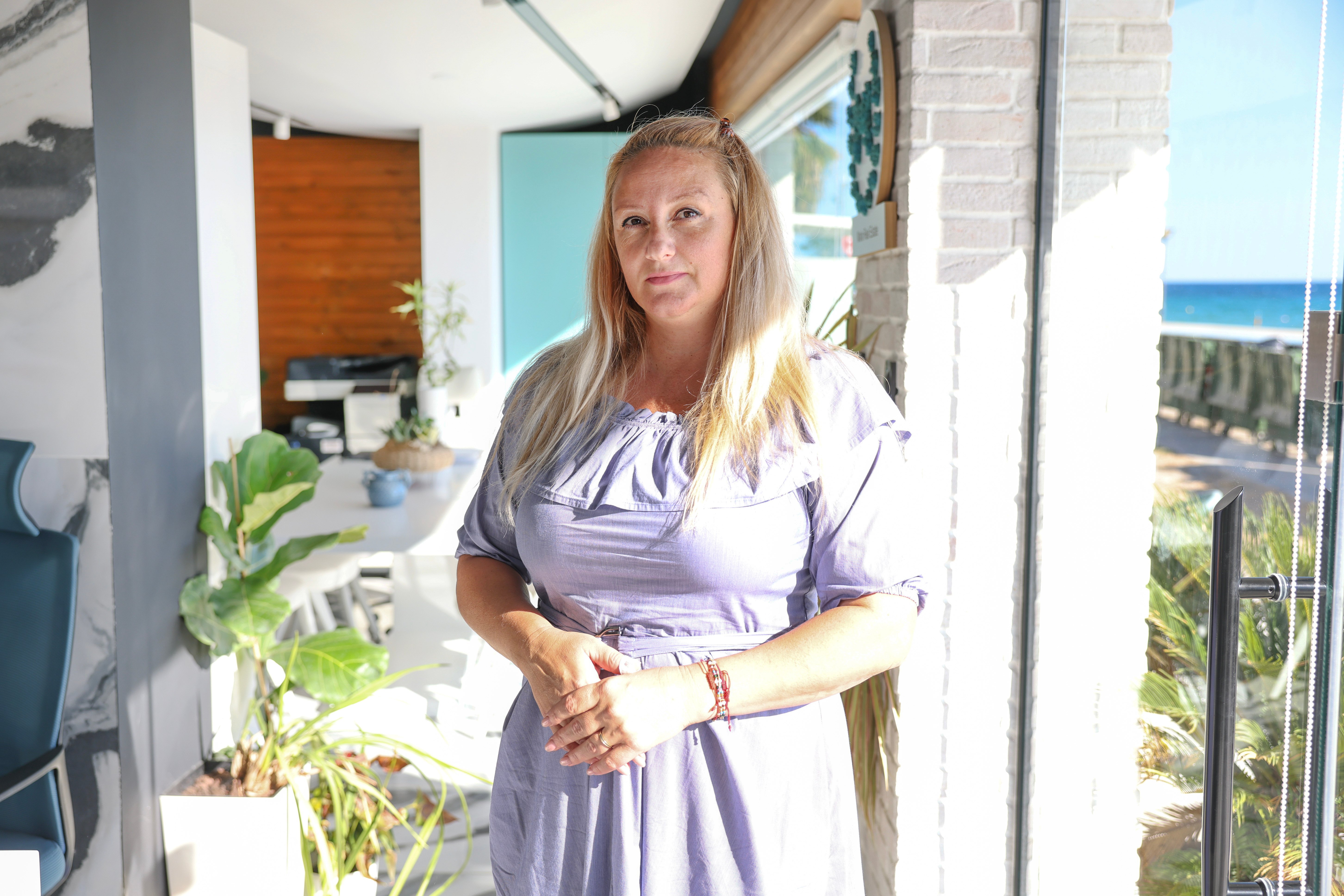 Stylish and smiling, she welcomes us in a long light-blue dress at her modern, coastal-road office. In fluent Greek, she recalls how, when she first arrived in Ofrynio – the seaside settlement of Kavala, known locally as Touzla – it struck her as a beautiful and peaceful place, perfect for family vacations. These qualities, combined with the area’s proximity to many Bulgarian cities – just 3.5 hours from Sofia – attracted numerous Bulgarian visitors who initially came for holidays and later returned to purchase homes. Borikova noticed a gap in communication between sellers and buyers and, thanks to her knowledge of Bulgarian, began working professionally in real estate transactions.
Interest in vacation apartment purchases began, as she describes, about 10 years ago. However, just before and during the Covid pandemic, it escalated into a frenzy. “Just before the coronavirus, it was madness. Properties were being bought via video calls. That’s how we made the sales,” she emphasizes. The demand became so high that today, there are virtually no ready-to-build plots left along the Ofrynio coastline.
From tourists to buyers
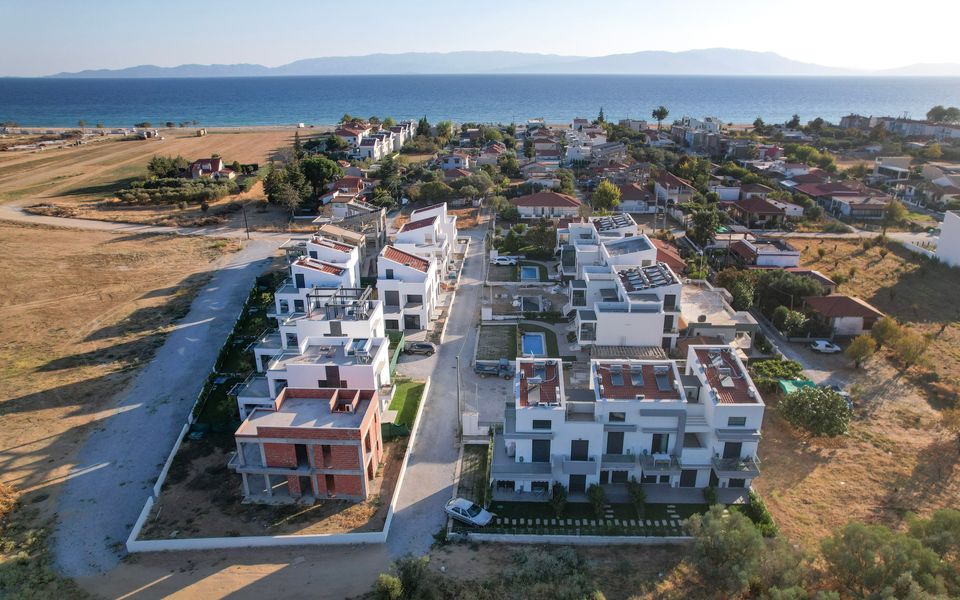
A stroll along the beach makes the trend clear. On the seaside plots, some are under construction, with massive excavators moving soil and clouding the air, while others already host small, newly built homes – a new town rising above the old. On plots where nothing is yet underway, dreams are on sale. Large posters featuring models of “vacation apartments” promise a summer fantasy in English, often showing a smiling couple: “First you fall in love. Then you invest. This is the beach of Ofrynio.”
The message has clearly resonated. Bulgarians now make up the largest share of second-home owners. According to a Bulgarian news site, Greece remains their top choice, and by the end of last year, 3,228 Bulgarian citizens had declared property in the country. Real estate agents and contractors in Kavala report that half of their clients are Bulgarian, buying homes and plots along the entire coastal line from Nea Peramos and Irakleitsa to Ofrynio, extending even into mountain villages up to 20 kilometers from the sea.
Those working in hospitality and tourism generally view the trend positively. However, many locals feel somewhat uneasy, as their villages are filled for five months of the year with Bulgarian tourists who have now become clients, neighbors, and sometimes even employers. Their unease is not just about the usual challenges of tourism in Greece – traffic, noise, and pressure on limited infrastructure. A recent local newspaper headline read: “You no longer find Greeks in Touzla – Bulgarians and Turks have taken over Ofrynio beach.” Similar sentiments are often overheard in restaurants and cafes.
I share this concern with Borikova, and she responds thoughtfully: “In a tourist area, it’s natural that there are more tourists. Isn’t it the same on an island?” I ask locals, “If they were Germans, would it bother you as much?” They reply with disarming honesty: “No.”
Prices skyrocketed
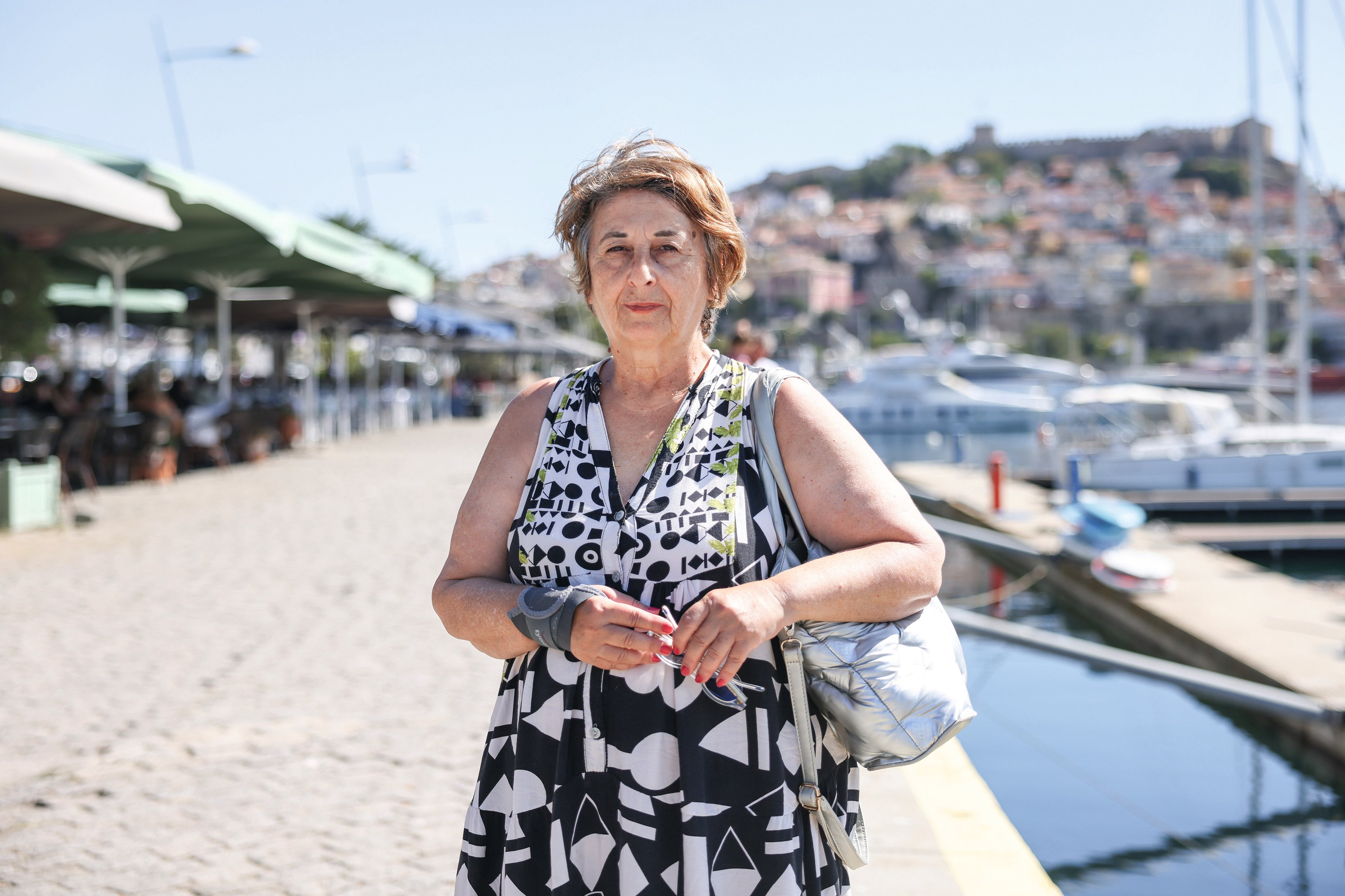 Ritsa Karagiannidou, an experienced architect and engineer, tries to weigh the positives against the negatives. The surge in demand from the Bulgarian market was one of the main factors driving sale prices up, making available plots increasingly scarce. As she notes, in already tourist-developed areas like Nea Peramos, prices have doubled. Even more dramatic is the rise in settlements such as Touzla, where over the past decade, prices have far exceeded expectations: From €900 per square meter, the average property sale price has surged to €2,500 per square meter. “There was a kind of free-for-all,” Karagiannidou explains, adding that in the early stages, Bulgarians often bought plots at prices above their actual value, pushing the market upward.
On a walk near Nea Peramos, we spotted a plot advertising the construction of luxury homes with pools and garages. The foundations hadn’t even been laid, yet all the properties were sold except for one 300-square-meter villa, priced at €1.2 million. According to Karagiannidou, in the beginning, many buyers arrived with “black money,” but nowadays, most couples either use their savings or take out loans. Increasingly, buyers are looking for investment properties they can rent out short-term when not using them themselves.
This upward trend has also impacted Greeks who had hoped to buy homes in the area at initially more affordable prices, while simultaneously driving up rental costs. A well-known local secret is that some of these properties are rented through informal websites, illegally, creating unfair competition for Greek short-term rental operators and hoteliers. At the same time, Karagiannidou admits, even the dust from a tourist’s shoes – paraphrasing a local saying – brings economic benefits to a place.
Historical reflexes
Trying to explain the sometimes negative attitude of locals toward Bulgarians, she refers to the area’s recent history. “Here, we didn’t have Germans; we had Bulgarians. There are memories. I knew people who suffered because of Bulgarians. I don’t want to be intolerant, but now a Bulgarian comes with a flashy, expensive car and the air of a cardinal to show off? If it were an Italian, it would have been more acceptable.”
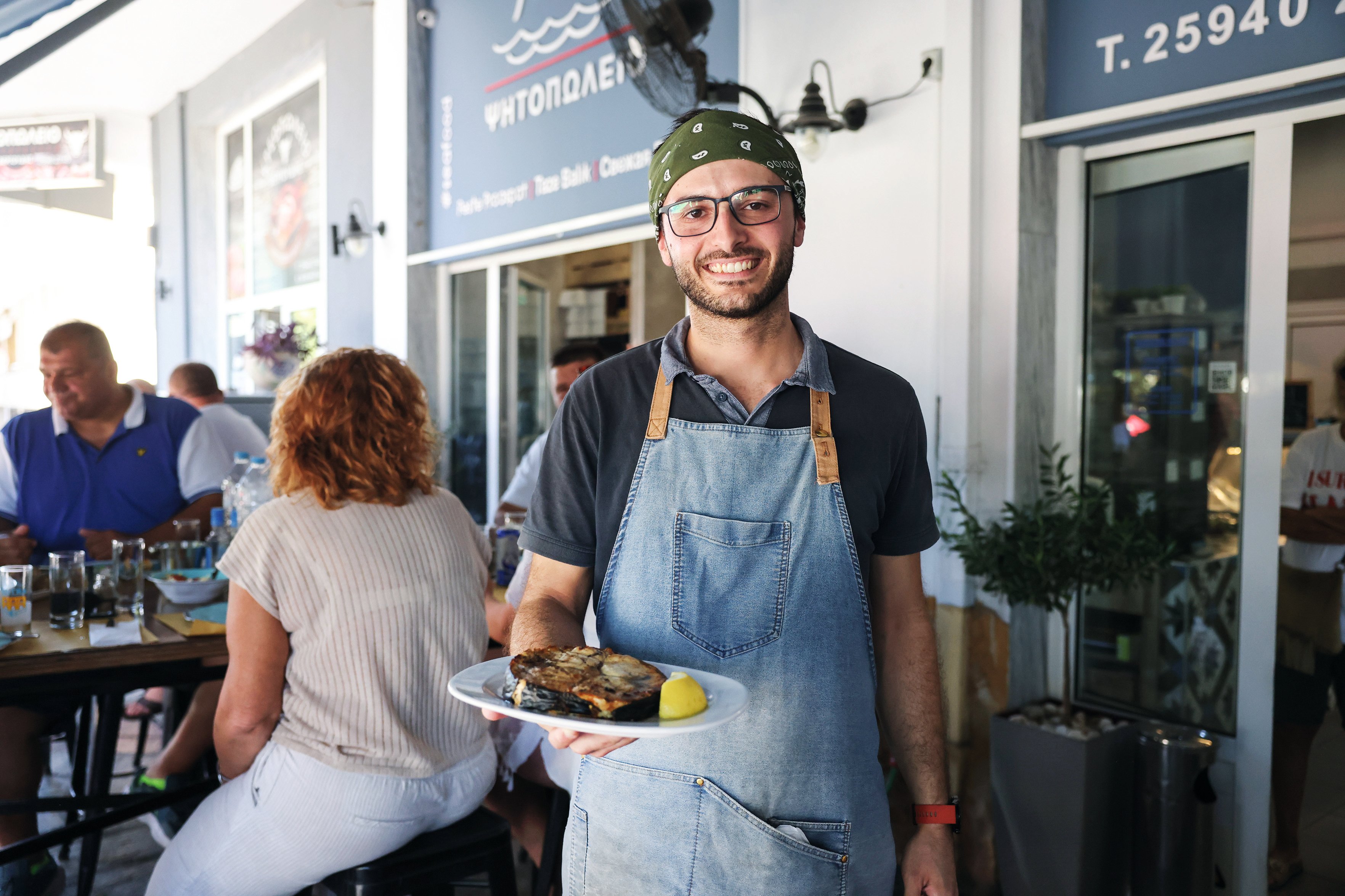 These historical memories carry far less weight with the younger generation, who see the extension of the tourist season thanks to their northern neighbors. On a weekday in mid-September, all the tables at Nikos Kourkoumbas’ restaurant in Irakleitsa are full, and all the customers are speaking Bulgarian. A few years ago, such a scene would have lasted at most until the end of August.
“We’re lucky to have them,” says the 24-year-old who runs the family business, a fish shop where fish is grilled and served. “I’ve even learned Bulgarian, out of respect for the customer.”
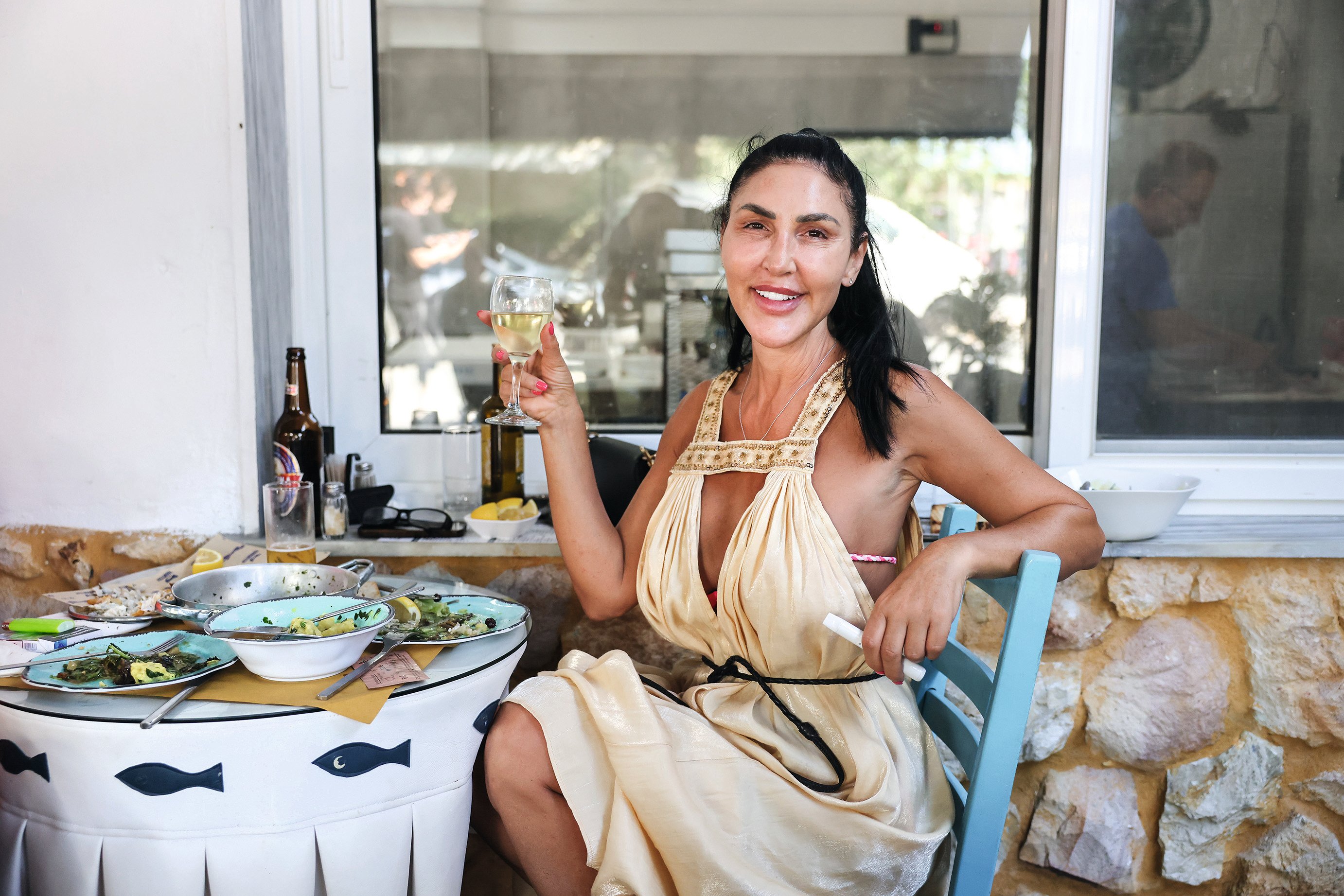 Maria Davidova often comes to eat at the shop and has known the owner since he was a child. “Niko! Maria (his mother). You are like family. You know it! I sent my friends here the other day to eat. They took it back to Bulgaria. Your fish is so good!” She first visited with her daughter 15 years ago and has spent every summer here since. The clean sea, tranquility, Greek lifestyle, and good food won her over, and now she considers Irakleitsa her second home. Some years ago, she decided to buy an apartment. “The first time I came, my daughter didn’t like it. She asked why we came to such a small village. And now, look at how many houses have been built. It’s for the good of the area,” she says.
Kourkoumbas believes the arrival of Bulgarian investors and buyers came too early and too abruptly, before the area had a chance to invest in offering a quality tourist product or attract a different profile of visitors. When asked about the downsides, he diplomatically notes that Bulgarian clients may require more effort than Western Europeans. “But there’s not much we can do right now. We are spectators! We just adapt.”