
MAKING A DIFFERENCE IN THE COMMUNITY. LATINO, LATINA, LATINX. LATINA. THE COMMUNITY IS AS COMPLEX AS THE CHANGING NAMES USED TO CLASSIFY IT, MADE OF PEOPLE WITH DIFFERENT SKIN COLORS, RELIGIONS, AND COUNTRIES OF ORIGIN. BUT A COMMON THREAD THAT’S WOVEN DEEP INTO ITS CULTURAL TAPESTRY IS THE STIGMA SURROUNDING MENTAL ILLNESS AND THE SUBSTANDARD ACCESS TO QUALITY CARE. GROWING UP, I NEVER HEARD OF THERAPY. THERE WASN’T A THING. DULCE OROZCO WAS NOT EXPOSED TO THE CONCEPT OF MENTAL HEALTH CARE IN HER NATIVE VENEZUELA UNTIL SHE KNEW EARLY ON IT WAS SOMETHING THAT DEMANDED MORE OF HER ATTENTION. TWO PEOPLE VERY CLOSE TO ME TRIED SUICIDE AND ONE DIED BY SUICIDE. GROWING UP IN VENEZUELA, WHERE THERE’S SO MUCH STIGMA AROUND MENTAL HEALTH, I FEEL LIKE THERE WAS A PART OF ME THAT WAS ALWAYS TRYING TO IMAGINE IF THAT COULD HAVE BEEN PREVENTED, IF THEY HAD THE THE HELP THEY NEEDED. OROZCO MOVED TO THE UNITED STATES IN HER 20S AND STUDIED TO BECOME A LICENSED MENTAL HEALTH COUNSELOR. TODAY, SHE IS A FIERCE ADVOCATE OF THERAPY FOR PEOPLE OF COLOR AND IMMIGRANT FAMILIES. THERE MIGHT BE ALL THESE PEOPLE THAT HAVE THOUGHT ABOUT REACHING OUT FOR HELP FOR THE LONGEST TIME, AND THEY FINALLY GO, AND THEY HAVE A REALLY BAD EXPERIENCE, WHICH VALIDATES THE THOUGHT OF THIS DOESN’T WORK. IT’S LIKE THAT CULTURAL COMPONENT OF LIKE, FEELING. UNDERSTOOD, RIGHT? THERE ARE NOT ENOUGH BILINGUAL AND BICULTURAL THERAPISTS. OROZCO WORKS BOTH ONE ON ONE WITH CLIENTS AND LEADS WELLNESS WORKSHOPS FOR WORKPLACES AND STUDENT GROUPS. FOR ME, IT’S VERY IMPORTANT TO OFFER TOOLS THAT PEOPLE CAN USE RIGHT AFTER THEY LEAVE, ESPECIALLY WHEN IT COMES TO SELF-REGULATION AND WAYS TO CALM YOURSELF DOWN. FOR THOSE CONSIDERING INDIVIDUAL THERAPY, SHE HAS SOME ADVICE. FIRST, DON’T WAIT UNTIL YOU’RE IN CRISIS. WHAT IF WE START LOOKING AT IT AS A PREVENTIVE THING? HOW CAN WE TAKE CARE OF OURSELVES BEFORE IT’S TOO LATE? SECOND, ASK TO INTERVIEW YOUR THERAPIST BEFORE YOUR FIRST SESSION TO SEE IF THEY’RE A GOOD MATCH. I ALWAYS ENCOURAGE PEOPLE TO ASK QUESTIONS. WORKING WITH SOMEONE THAT UNDERSTANDS YOUR CULTURE CAN BE SO LIBERATING. OROZCO SAYS IT CAN BE DIFFICULT FOR THE LATINO COMMUNITY TO PRACTICE SELF-CARE AND COMPASSION, BUT IT’S NOW MORE IMPORTANT THAN EVER. MANY OF US MIGHT BE FEELING ATTACKED. THE SENSE OF SAFETY MIGHT NOT BE THERE. FEELING AFRAID FOR FAMILY AND FRIENDS, DEALING WITH THE UNCERTAINTY, WITH THE POLITICAL CLIMATE. SO IT’S ABSOLUTELY HEARTBREAKING, RIGHT, TO SEE THAT HAPPENING IN A TIME THAT PEOPLE NEED RESOURCES, PEOPLE NEED HELP, NOT JUST MENTAL HEALTH, BUT WAYS IN WHICH TO, LIKE, RELEASE ALL THESE EMOTIONS. YANELIS MARTINEZ FOUND HER RELEASE IN THE CREATIVE ARTS AFTER THE BIRTH OF HER THIRD CHILD. I JUST DIDN’T WANT TO DO ANYTHING. NOT EVEN EAT, NOT EVEN DRESS. WHILE SHE WAS HOSPITALIZED FOR TREATMENT OF POSTPARTUM DEPRESSION, MARTINEZ, ALSO FROM VENEZUELA, RECONNECTED WITH A CHERISHED CHILDHOOD PASTIME. ARTS AND CRAFTS. THEY HAD SOME CLASSES FOR PAINTING AND COLORING, AND I FOUND THAT VERY CALMING IN MY MIND BECAUSE I HAD VERY RUNNING THOUGHTS AND ANXIETY ALSO. AND THAT WAS THE TIME WHEN I WAS ABLE TO REALLY JUST KIND OF FEEL CONNECTED AS A HUMAN BEING. THAT FORM OF ART THERAPY BECAME HER FULL TIME HOBBY. EVENTUALLY, SHE WONDERED WHETHER SHARING IT WOULD HELP OTHERS. MAYBE IT COULD BE A TOOL FOR SOMEONE ELSE. AND THAT’S WHEN I DECIDED TO TURN ON MY CAMERA AND SHARE IT ON YOUTUBE. HER YOUTUBE PAGE SAID AS CREATIVES, CREATIVE BEINGS HAS NEARLY 40,000 SUBSCRIBERS. SE ENCUENTRA MUY MUY, MUY BIEN. IN 2024, MARTINEZ TOOK ANOTHER LEAP OF FAITH AND OPENED HER OWN STUDIO IN SEEKONK. CRAFTY BEINGS. WHEN I PICTURE HAVING REAL PEOPLE COME INTO THE STORE AND DOING WHAT I DO WITH THEM ONLINE, IN PERSON, I WAS LIKE, OH MY GOD, THAT WOULD BE AWESOME. I CAN TALK TO WOMEN AND JUST CONNECT. I’M GETTING CHILLS. THERE ARE DOZENS OF WAYS TO EXPRESS YOURSELF, WHETHER IT’S THERAPEUTIC OR SIMPLY A CREATIVE OUTLET. IT’S A DIY STUDIO, HAND PAINTING ON CERAMIC, PLASTIC OR WOOD. FUNKY, DRIPPY, FLUID ART AND THE SPLATTER ROOM WHERE YOU CAN TAP INTO YOUR INNER JACKSON POLLOCK. I LOVE IT EVERY MINUTE. THAT’S THE CONNECTION. JU
Venezuelan-American pros promote mental health and creative expression
From counseling to creative healing, advocates Dulce Orozco and Yanellys Martinez are reshaping how mental health treatment is discussed Latine communities

Latino… Latina… Latinx… Latine. The community is as complex as the changing names used to classify it — comprising individuals with different skin colors, religions and countries of origin. But a common thread that’s woven deep into its cultural tapestry is the stigma surrounding mental illness — and the substandard access to quality care. Dulce Orozco says she wasn’t exposed to the concept of mental health care in her native Venezuela. “Growing up, I never heard of therapy. That wasn’t a thing,” Orozco says. Still, she recognized its importance after personal experiences with suicide among close acquaintances. “Two people very close to me tried suicide, and one died by suicide. Growing up in Venezuela, where there’s so much stigma around mental health, I feel like there was a part of me that was always trying to imagine if that could have been prevented if they had the help they needed,” she said.Orozco moved to the United States in her 20s and became a licensed mental health counselor, advocating for therapy among people of color and immigrant families. “There are not enough bilingual and bicultural therapists,” Orozco said. She works with clients individually and leads wellness workshops, offering tools for self-regulation and calming techniques. If you or someone you know needs help:Call the NAMI HelpLine at 800-950-6264 – Monday-Friday, 10 a.m.–10 p.m. ET. Text “NAMI” to 62640Email helpline@nami.orgIn a crisis, call or text 988 (24/7)She advises seeking therapy proactively and interviewing therapists to ensure a cultural match. “What if we start looking at it as a preventive thing?” she said. “Working with someone that understands your culture can be so liberating.”Orozco acknowledges the challenges faced by the Latine community in practicing self-care amid political uncertainty.”Many of us might be feeling attacked, the sense of safety might not be there, some feel afraid for family and friends,” Orozco said. “It’s absolutely heartbreaking to see that’s happening at a time when people need resources, people need help, not just mental health, but ways in which to release all these emotions.”Yanellys Martinez, also from Venezuela, found solace in creative arts after experiencing postpartum depression. During her hospitalization, she reconnected with arts and crafts, which helped calm her anxiety.Martinez shared her art and crafts on YouTube, gaining nearly 40,000 subscribers on her page, Seres Creativos. In 2024, she opened her own studio, Crafty Beings, in Seekonk, offering a variety of creative outlets. Martinez’s studio offers DIY projects, hand painting, fluid art, and a splatter room for creative expression.”I love it, every minute. Let’s create something together,” she said.
Latino… Latina… Latinx… Latine. The community is as complex as the changing names used to classify it — comprising individuals with different skin colors, religions and countries of origin. But a common thread that’s woven deep into its cultural tapestry is the stigma surrounding mental illness — and the substandard access to quality care.
Dulce Orozco says she wasn’t exposed to the concept of mental health care in her native Venezuela. “Growing up, I never heard of therapy. That wasn’t a thing,” Orozco says. Still, she recognized its importance after personal experiences with suicide among close acquaintances. “Two people very close to me tried suicide, and one died by suicide. Growing up in Venezuela, where there’s so much stigma around mental health, I feel like there was a part of me that was always trying to imagine if that could have been prevented if they had the help they needed,” she said.
Orozco moved to the United States in her 20s and became a licensed mental health counselor, advocating for therapy among people of color and immigrant families. “There are not enough bilingual and bicultural therapists,” Orozco said. She works with clients individually and leads wellness workshops, offering tools for self-regulation and calming techniques.
If you or someone you know needs help:
Call the NAMI HelpLine at 800-950-6264 – Monday-Friday, 10 a.m.–10 p.m. ET.
Text “NAMI” to 62640
Email helpline@nami.org
In a crisis, call or text 988 (24/7)
She advises seeking therapy proactively and interviewing therapists to ensure a cultural match.
“What if we start looking at it as a preventive thing?” she said. “Working with someone that understands your culture can be so liberating.”
Orozco acknowledges the challenges faced by the Latine community in practicing self-care amid political uncertainty.
“Many of us might be feeling attacked, the sense of safety might not be there, some feel afraid for family and friends,” Orozco said. “It’s absolutely heartbreaking to see that’s happening at a time when people need resources, people need help, not just mental health, but ways in which to release all these emotions.”
Yanellys Martinez, also from Venezuela, found solace in creative arts after experiencing postpartum depression. During her hospitalization, she reconnected with arts and crafts, which helped calm her anxiety.
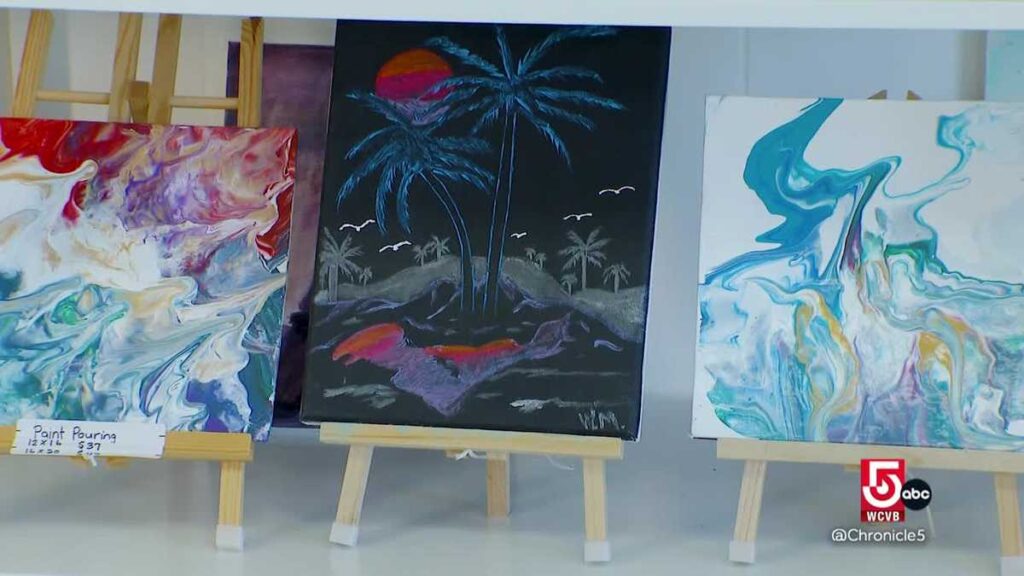
Martinez shared her art and crafts on YouTube, gaining nearly 40,000 subscribers on her page, Seres Creativos. In 2024, she opened her own studio, Crafty Beings, in Seekonk, offering a variety of creative outlets.
Martinez’s studio offers DIY projects, hand painting, fluid art, and a splatter room for creative expression.
“I love it, every minute. Let’s create something together,” she said.