
Published on
September 24, 2025

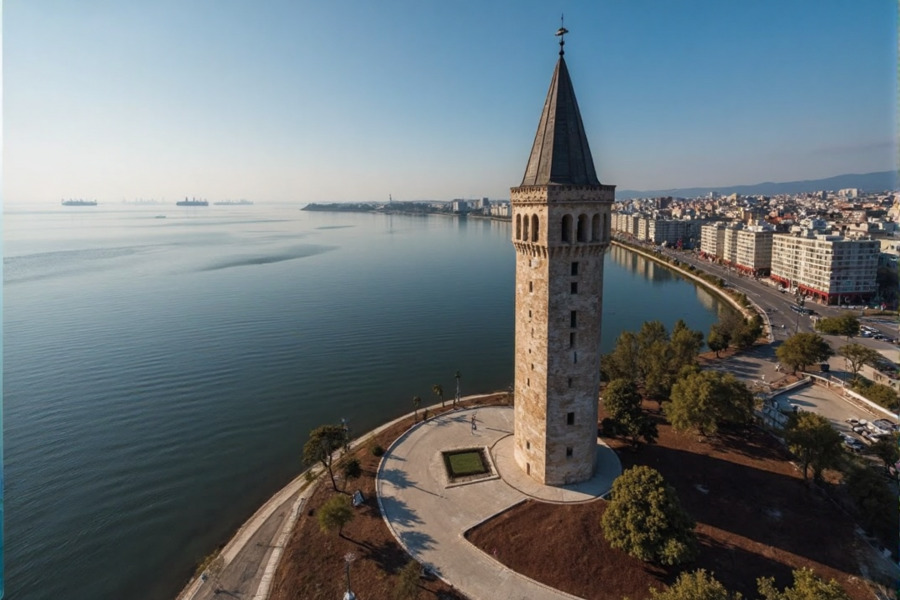
Greece is taking bold steps to strengthen its tourism ties with France and the US, with Thessaloniki positioned at the forefront as a premier city-break destination. This strategic move comes as part of Greece’s wider efforts to expand its international tourism collaboration, particularly with two of its most influential markets. By enhancing flight connectivity and promoting Thessaloniki’s rich cultural heritage, Greece is making it easier for global travelers, especially from France and the US, to experience the vibrant charm of its northern gem. These initiatives aim to cater to the growing demand for city breaks, positioning Thessaloniki as a must-visit destination for those seeking a blend of history, culture, and modern appeal, while solidifying Greece’s year-round tourism appeal.
Greece is continuing to solidify its position as a prime destination for French travelers, with Thessaloniki rising as a top choice for city breaks. This surge in interest was further bolstered by important discussions held at the IFTM – Top Resa 2025 tourism exhibition in Paris, where both Greek and French tourism stakeholders came together to discuss strategies and opportunities for the future. This collaboration represents a significant step toward enhancing tourism between the two nations and expanding Greece’s appeal to the French market.
At the heart of these efforts, the Greek Tourism Ministry outlined its plans to boost direct connectivity between Greece and France, particularly focusing on Thessaloniki, a vibrant northern Greek city renowned for its cultural and historical landmarks. In a bid to enhance Thessaloniki’s accessibility for French tourists, Greece has forged new agreements with French airlines, notably Transavia, one of France’s leading low-cost carriers. The new initiative will see two additional weekly flights to Thessaloniki introduced during the winter season, facilitating greater ease for French travelers looking to explore this city’s rich history and vibrant culture.
The expansion of Transavia flights was officially confirmed following a meeting with the airline’s executives, where both parties explored further avenues for collaboration. One of the key strategies discussed was the potential for joint advertising campaigns, aimed at increasing awareness of Thessaloniki among French holidaymakers. Additionally, the introduction of familiarization trips for travel agents and journalists was also explored, a move designed to introduce key influencers in the travel industry to Thessaloniki’s diverse offerings. These initiatives are aimed at elevating Thessaloniki’s status as a cultural hub in the region, catering specifically to the desires of French tourists seeking short getaways with rich cultural experiences.
In addition to the discussions with Transavia, Greek officials held further meetings with major French tour operators, such as Thalasso N°1 and FRAM/Karavel. These meetings provided a detailed analysis of the 2025 booking trends, helping the Greek Tourism Ministry to gain valuable insights into the preferences of French travelers. The discussions also focused on shaping strategic priorities for 2026, aiming to position Greece as an even more attractive destination for French tourists in the future. This forward-looking approach aligns with Greece’s broader focus on promoting year-round tourism, moving away from the traditional peak-season model that many Mediterranean destinations rely on.
Thessaloniki was highlighted as a key component in this strategy, with its rich blend of cultural, historical, and modern attractions making it an ideal destination for short breaks. At the same time, Athens, Greece’s capital, was positioned as an entry point to the broader region, particularly the Saronic Islands and the Athenian Riviera. These areas are known for their natural beauty, ancient history, and relaxed ambiance, making them perfect for tourists seeking a combination of city and coastal experiences. This emphasis on diversifying Greece’s tourism offerings beyond the typical summer months aims to attract a wider range of travelers and extend the tourism season, ultimately boosting revenue and maintaining steady visitor numbers year-round.
Another key topic of discussion was the potential for expanding seasonal flight routes to Greece’s most popular islands, including Crete, Rhodes, Santorini, and Mykonos. The Greek government, in collaboration with international airlines, is exploring ways to extend the tourism season by offering flights to these islands outside of the peak summer months. Seasonal flights from major French cities to these islands are expected to enhance Greece’s visibility in the French market, as well as cater to the increasing demand from travelers looking to experience the beauty of these islands at a quieter, more relaxed time of year. One particularly exciting prospect discussed was the possibility of linking these islands to the United States via direct flights from France, leveraging Air France’s extensive network of 18 direct routes between the U.S. and France.
In addition to improving connectivity to the more popular destinations, the Greek Ministry is also focusing on developing infrastructure in less-visited regions of the country. A significant portion of these efforts is being directed toward regional airports, such as the one in Kalamata, located in the Peloponnese. By improving the infrastructure of these airports, Greece aims to attract more visitors to areas outside of the traditional tourist hotspots. The hope is to create multi-destination travel packages that allow visitors to experience the diverse regions of Greece, from the cultural centers of Athens and Thessaloniki to the idyllic landscapes of the Peloponnese and the Ionian Islands.
These infrastructure investments are not only aimed at improving the travel experience for tourists but also at generating economic growth in regions that are not as heavily dependent on tourism. By spreading the benefits of tourism more evenly across the country, Greece hopes to ensure the long-term sustainability of its tourism industry, providing opportunities for local communities while also diversifying the experiences available to travelers.
Greece’s tourism market is experiencing continued growth, with France playing a crucial role in this expansion. According to data from the Bank of Greece, France is currently Greece’s fourth-largest source of tourism revenue, with significant growth expected to continue in 2025. This growth reflects the increasing number of French travelers visiting Greece, drawn by the country’s rich cultural heritage, stunning landscapes, and high-quality tourism infrastructure. The expanding connectivity between Greece and France, along with the strategic focus on year-round tourism, is expected to ensure that both countries benefit from this flourishing partnership.
Greece is expanding its tourism collaboration with France and the US, positioning Thessaloniki as a top city-break destination by enhancing flight connections and showcasing the city’s cultural appeal to global travelers. This strategic move aims to attract more year-round visitors from these key markets.
Greece’s strengthened tourism ties with France, exemplified by the new flight expansions and the focus on Thessaloniki and other key destinations, represent a forward-thinking approach to tourism that aims to attract more French travelers year-round. By improving connectivity, expanding seasonal routes, and investing in infrastructure, Greece is positioning itself as a year-round destination that appeals to a wide variety of French tourists, further solidifying its place as a top travel destination in Europe.
