

02.10.2025. 08:25h
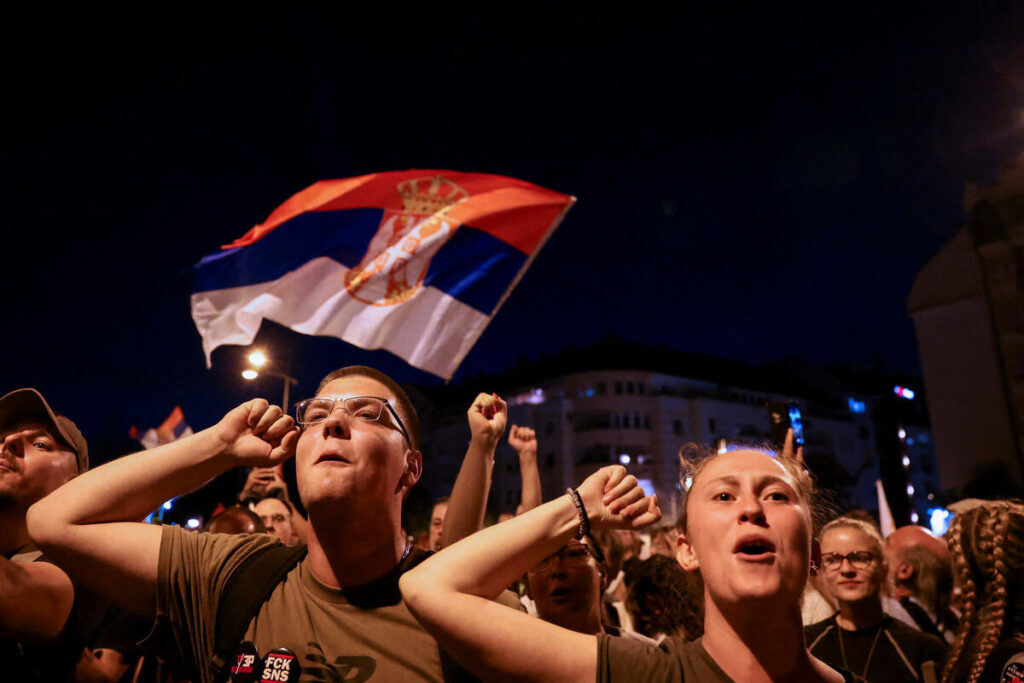
They are digitally connected, creative and determined: young people around the world are protesting against corruption, inequality and abuse of power.
Madagascar: Fearless protest movement against president
For Heriza Andriamanantena, spokesman for the Generation Z Madagascar group, the matter is quite clear: “It is our duty to really change everything. It is certain that we expect the change of government and the resignation (of the president). First of all, the resignation,” he tells DW.
The global wave of Generation Z protests has reached Madagascar. For the protesters, “Change everything” means: an end to mismanagement and corruption. And President Andry Rajoelina must finally go. A change of government is not enough for them.
According to UN data, at least 22 people have been killed and 100 injured in the protests, which were initially directed against power outages and shortages of drinking water, in recent days.
But the protests, led by well-educated young people between the ages of 18 and 28, continue despite threats and intimidation, says Andriamanantena. After all, young people there feel like the majority: more than half of Madagascar’s 32 million inhabitants are under 30. And they have Nepal as a role model.
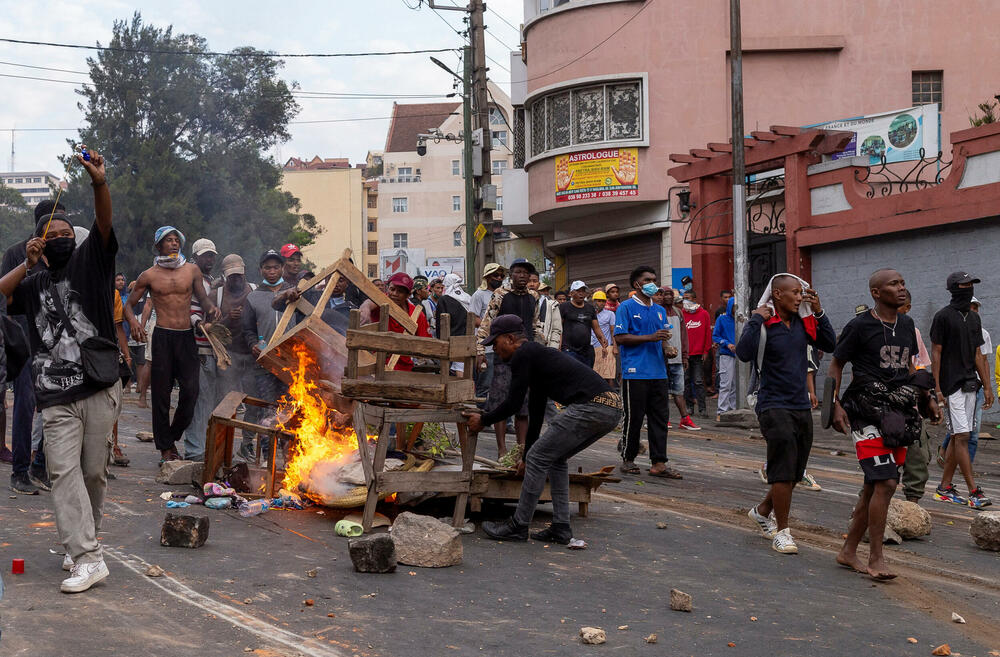
From one of the protests in Madagascarphoto: REUTERS
Nepal: Generation Z forced the government to step down
The Nepalese government has blocked 26 social media platforms, including Facebook and TikTok, allegedly to protect national security. Generation Z protested, with tens of thousands taking to the streets.
Under the hashtag #NepoBabies (a tag for people who rise to prominence thanks to nepotism and influential parents), they exposed corruption and nepotism – and despite dozens of deaths, they not only brought down the government of Prime Minister Khadga Prasad Sharma, but also, after an online vote, pushed Sushila Karki, the former Chief Justice of Nepal and a recognized anti-corruption fighter, to the position of Prime Minister.
“We expect a continued political awakening shaped by Generation Z,” Rajat Dash Shrestha, one of the leaders of the Gen Z movement in Nepal, tells DW. “Governments can fall when the youth rise up.”
What has happened in recent weeks in this country of 30 million people, between China and India, is a template for many Generation Z protest movements around the world.
“If those in power continue to ignore the dreams and frustrations of young people, similar events will happen in many other countries in the region,” says Rajat Dash Shrestha. Perhaps in Indonesia or the Philippines, where angry young people have also recently taken to the streets to protest corruption and inequality.
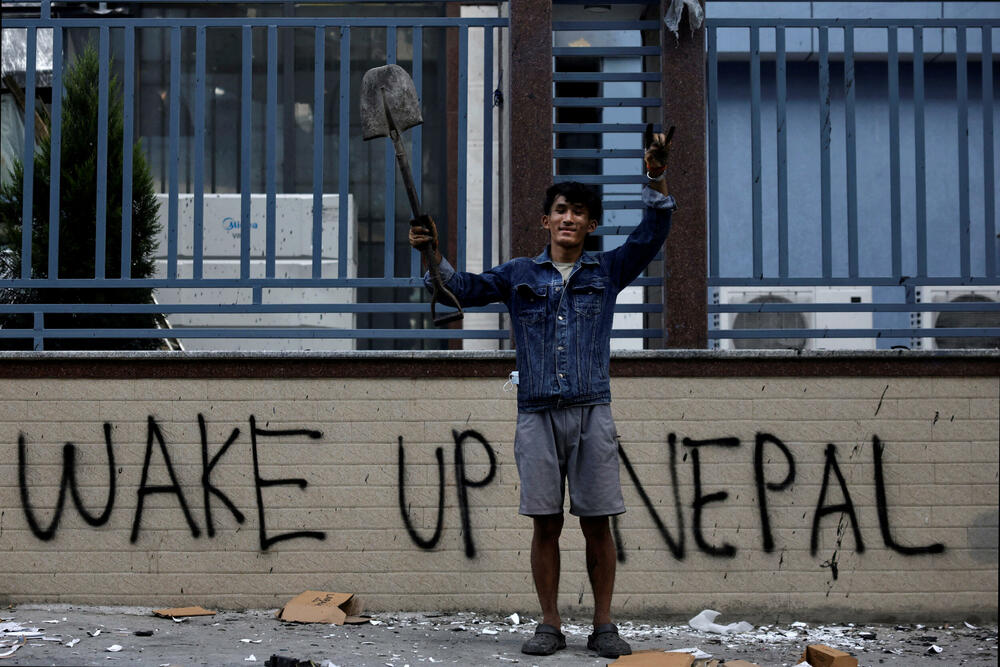
From the protest in Nepalphoto: REUTERS
Serbia: Generation Z Uprising After Station Collapse
Generation Z is not only protesting in Asia, but also in Europe. “That was the last straw,” Jelena Popadić, one of the spokespeople for the protest movement in Serbia, tells DW. The medical student is referring to politicians’ attempt to cover up the collapse of the roof of the main train station in Novi Sad on November 1, 2024, which killed 16 people. The probable cause of the tragedy: construction blunders and corruption.
Since then, and for almost a year now, Generation Z has been paralyzing this country of seven million people – with university campus occupations, weekly demonstrations and blocked intersections, as well as attacks on the offices of President Aleksandar Vučić’s Serbian Progressive Party. The protests have long been directed primarily against the authoritarian rule of the Serbian president.
Their war cry is “Pump” – and Vučić is trying to suppress the protests by force. In vain.
“Students are not afraid and they have passed that on to the entire nation,” retired police general Bogoljub Živković told DW. After more than 30 years of service, he was sent into early retirement by Aleksandar Vučić because his son, a law student, joined the protesters demanding an end to corruption.
Morocco, Peru, Paraguay – protest wave in Latin America
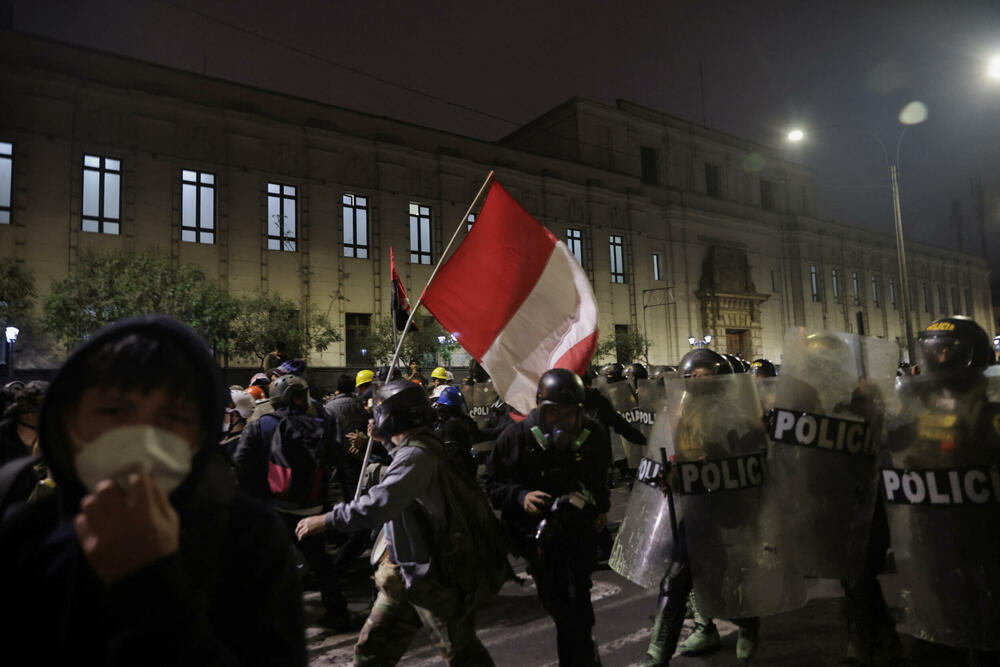
The protest in Peruphoto: REUTERS
The hitherto anonymous youth movement in Morocco is also operating without fear, where, according to data from the German news agency dpa, 280 people were injured and more than 400 arrested after protests on the night of Wednesday, October 1.
The eternal theme of corruption is also driving young people out onto the streets. But so is the construction of stadiums for the 2030 World Cup, which Morocco is organizing together with Spain and Portugal – instead of building new hospitals, as demanded by “Gen Z 212”.
Why “Gen Z 212”? Simple: 212 is the international dialing code for Morocco. Calls for demonstrations are spreading via social media platforms such as TikTok, Instagram and the gaming platform Discord.
In both Paraguay and Peru, young people are fed up with nepotism and no longer want to accept empty political promises. “We are the 99,9 percent and we don’t want corruption,” was the slogan of a protest in the Paraguayan capital, Asuncion, last weekend.
Before that, Generation Z in Lima loudly, with drums, rebelled against corruption, against the unpopular president Dina Boluarte, as well as against the planned reform of the pension system.
In Peru, as in all Generation Z demonstrations around the world, the pirate flag with the skull and straw hat from the cult manga and anime One Piece is often present.
The main character of this pirate epic, Monkey D. Luffy, fights for freedom and justice. One of his most famous lines is one that all young protesters would probably immediately subscribe to: “I want to create a world where all my friends can eat as much as they want!”


News