
Soil-dwelling fungus produces hydrogels with promise in tissue regeneration | University of Utah scientists discovered a soil fungus that grows hydrogels with potential for medical and tissue engineering use.
https://interestingengineering.com/innovation/fungus-hydrogel-biomedical-materials
2 Comments
From the article: What looks like ordinary mold could transform biomedical science.
Researchers at the University of Utah have found that a common soil mold, Marquandomyces marquandii, may be the foundation for future biomedical materials.
This fungus, usually seen as an ordinary decomposer, shows a remarkable ability to grow into hydrogels, the materials that hold water and mimic the softness of human tissue.
That discovery could pave the way for advances in tissue regeneration, cell scaffolding, or flexible medical devices.
Unlike other fungi that lose water easily, M. marquandii produces thick, multilayered hydrogels that can absorb up to 83 percent water while bouncing back under stress.
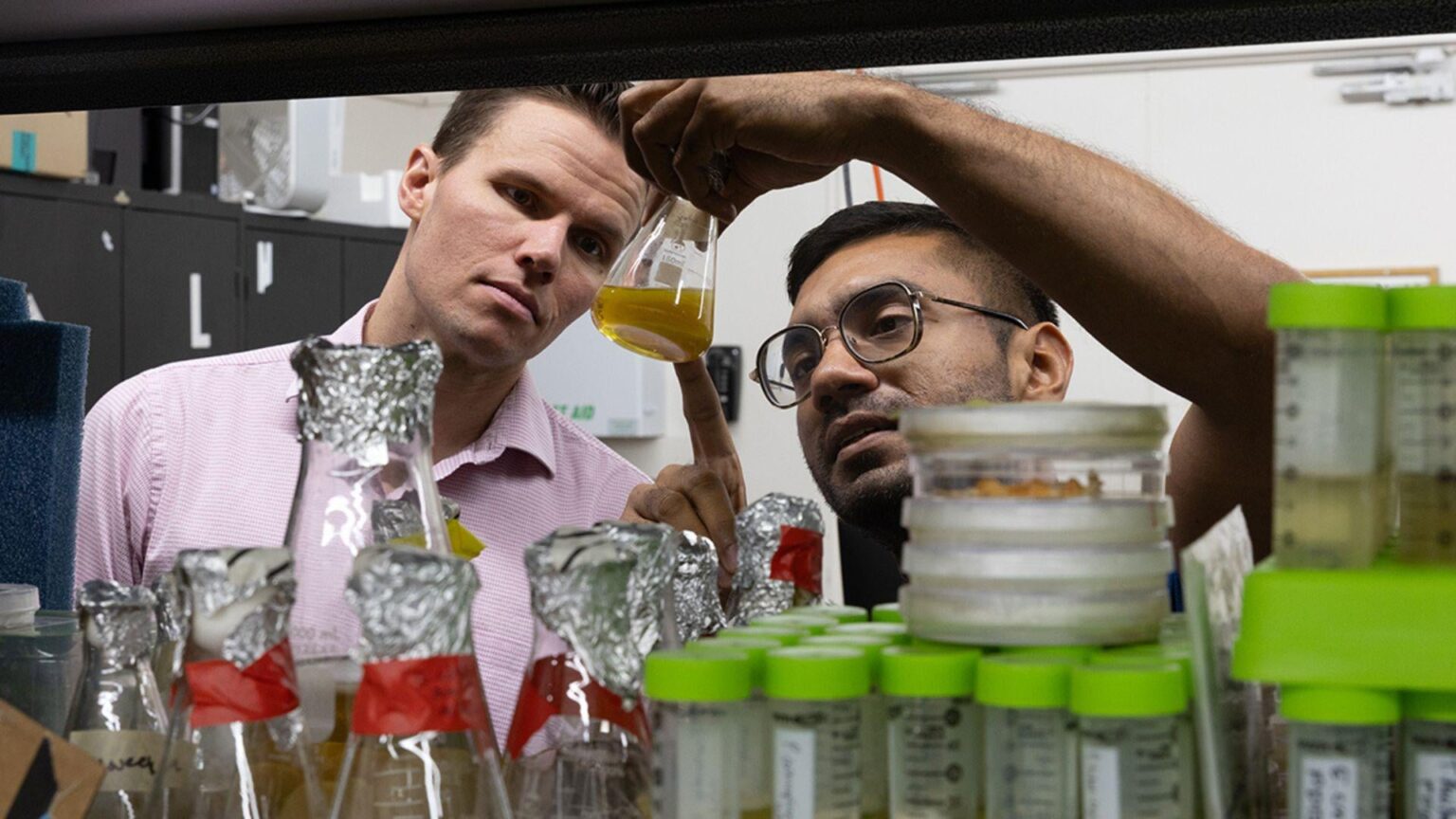
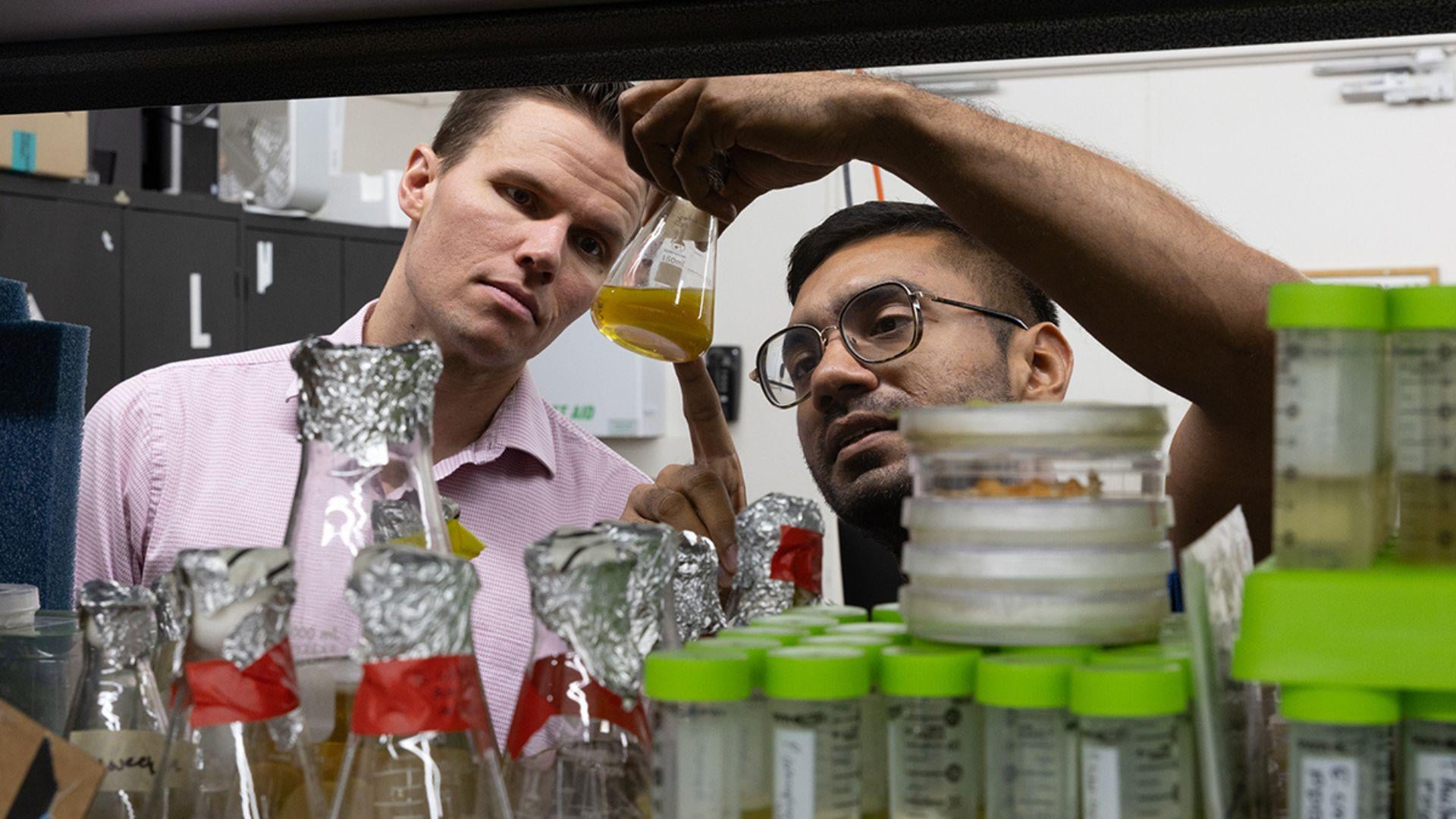
Atul Agrawal, the lead author of the study, said: “What you are seeing here is a hydrogel with multilayers. It’s visible to the naked eye, and these multiple layers have different porosity.”
Agrawal, a Ph.D. candidate in mechanical engineering, worked with senior author Steven Naleway, who studies biological materials for engineering use.
“This one in particular was able to grow these big, beefy mycelial layers, which is what we are interested in,” said Naleway. “Mycelium is made primarily out of chitin, which is similar to what’s in seashells and insect exoskeletons.”
The team believes the natural properties of mycelium make it biocompatible and adaptable. In theory, it could even be mineralized into bone scaffolding.
Fungi have long been valuable to science, giving the world penicillin and other life-changing compounds. Naleway and his collaborators now see them as a frontier for structural and biomedical innovation.
Working with mycologist Bryn Dentinger, the group has catalogued how fungal hyphae, threadlike structures that grow endlessly when nutrients are present, create unique strength and flexibility.
“As they grow forward, they lay down these cross walls that then compartmentalize a really long filament into many, many individual cells,” said Dentinger. “They will grow forever as long as there’s enough nutrition around.”
Once again mushrooms will improve our lives. This is why it’s important for all fields of science to be pursued.
Let the fungus weirdos play with the dirt. They might find bone scaffolding.