
Published on
October 3, 2025

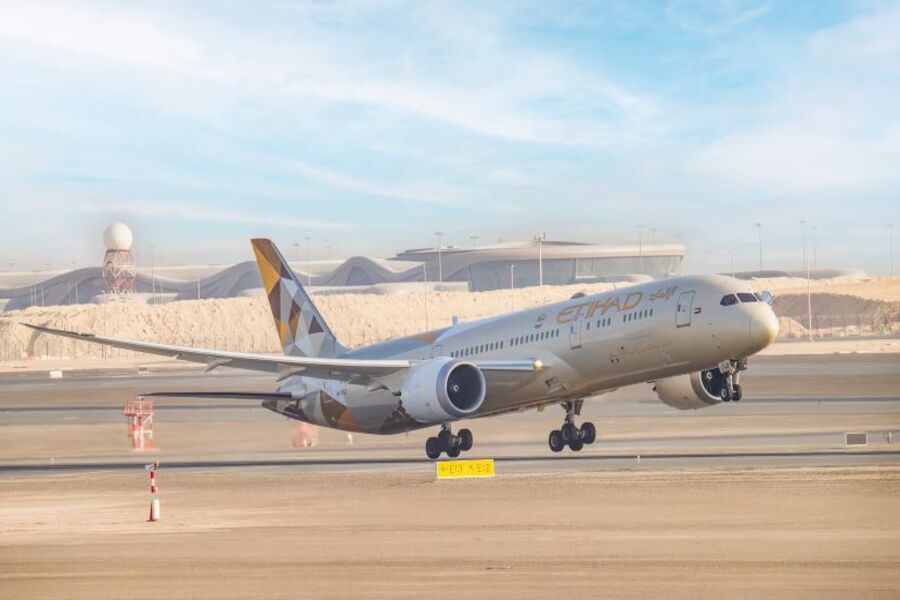
The global aviation landscape is evolving with exciting new routes and innovations that are set to enhance connectivity and transform the travel experience. Etihad Airways is launching seasonal flights from the UAE to Palma de Mallorca, offering passengers a convenient and scenic connection to one of Europe’s most popular destinations. Meanwhile, Air Tanzania is expanding its network with direct flights to Lagos, strengthening trade and cultural ties between Tanzania and Nigeria. This marks a significant step in boosting connectivity not only in Africa but also in key global markets. The airline industry is responding to growing demand for seamless travel between the US, Spain, Turkey, Romania, Armenia, and beyond, with new routes designed to meet both leisure and business needs. At the same time, innovations like Virgin Australia’s Neighbour-Free Seating bid option are rethinking passenger comfort, offering more personalized experiences. As airlines continue to expand their reach and adapt to shifting travel trends, these developments highlight the sector’s focus on improving accessibility, convenience, and overall passenger satisfaction.
In 2026, a prominent airline will begin offering seasonal flights to a well-known European destination. These seasonal flights are set to run from June 12 through mid-September. The airline will operate three weekly flights between its main hub and this picturesque European city, aiming to meet the demand for leisure travel during the summer months. The flights will depart from the airline’s hub on Tuesdays, Fridays, and Sundays, with the departures scheduled at 02:55 AM, ensuring early arrivals in the destination at 08:15 AM.
For those returning from the European city, the airline has set convenient flight times, with return flights departing from the city at 10:30 AM on the same days, arriving back at the airline’s hub at 7:00 PM. These flights are designed to cater to vacationers and business travelers alike, offering flexibility and a chance to experience one of Europe’s most sought-after travel destinations.
The introduction of this new service comes as part of the airline’s strategy to strengthen its seasonal offerings and expand its European network. It’s a move that reflects a growing trend among major airlines to capitalize on the popularity of destinations that are known for their scenic beauty, cultural significance, and ideal travel conditions during the summer months. Passengers traveling on these flights can expect a smooth and comfortable experience, with the airline offering top-notch service for both short and long-haul trips.
In another part of the aviation industry, a well-known national carrier has begun direct flights between two major cities, strengthening its service offering between the two countries. The airline now operates three weekly direct flights between its hub and a major business and cultural hub in West Africa. These flights are specifically designed to boost connectivity and trade relations between the two countries, as well as to encourage cultural exchange.
Flights depart from the airline’s home city at 8:30 PM on Mondays, Wednesdays, and Fridays, arriving at their destination at 11:59 PM. For those looking to return, the return flights depart at 1:30 AM on Tuesdays, Thursdays, and Saturdays, with passengers landing back at the airline’s home city by 9:00 AM. The introduction of this new route is expected to foster stronger ties between the two nations, particularly in terms of business, trade, and tourism.
This new service also reflects a growing trend of airlines seeking to enhance their international networks by offering more direct flights to destinations in Africa and Asia. These regions are increasingly seen as key drivers of economic growth, making them essential points of focus for airlines looking to expand their global reach. Passengers flying on this route can expect the same high standard of service that the airline is known for, with seamless connections to various other destinations via its main hub.
In a move that aims to enhance the travel experience for economy class passengers, a major Australian airline has introduced a unique bidding system that allows passengers to reserve an empty seat next to them. This new feature, known as “Neighbour-Free Seating,” will be available on select domestic and short-haul international flights operated by the airline. The idea behind this option is to offer a more comfortable experience for passengers who prefer to have an empty seat beside them during their flight.
The process for securing an empty seat is simple: after booking a flight, passengers can submit a bid via the airline’s mobile app. These bids can be placed up to two hours before the scheduled departure, with the winning bids confirmed closer to the flight’s departure time. This offers an additional level of comfort and privacy for passengers traveling in economy class, and it allows them to have a more relaxing experience by guaranteeing an empty seat next to them. The minimum bid for this service starts from a set amount, allowing passengers to choose whether they want to increase their bid based on their preferences.
This bidding system is likely to appeal to a wide range of passengers, including those traveling for business who may prefer the extra space or those on longer flights who simply want a more comfortable journey. With this new feature, the airline is responding to the growing demand for premium services even in economy class, and it gives passengers more control over their travel experience.
In an unfortunate turn of events, a budget airline based in Iceland has ceased operations and canceled all future flights after entering financial administration. The airline, which was founded in 2019, had been growing steadily in recent years, operating flights between its base in Keflavik International Airport and a number of popular European and US destinations. However, due to financial difficulties, the airline was unable to continue its operations and was forced to cancel all upcoming flights.
This situation highlights the challenges faced by budget airlines, particularly in an industry that is highly sensitive to fluctuating fuel prices, competition, and changes in consumer demand. While the airline had hoped to expand its network and compete with other low-cost carriers, its financial struggles ultimately led to its closure. The airline’s abrupt end has left many passengers stranded, with many scrambling to find alternative flights.
The closure of this Icelandic carrier is a reminder of the volatile nature of the aviation industry, especially for budget airlines that often operate on thin margins. It also underscores the importance of financial stability and careful management, particularly when expanding rapidly. As a result, the airline’s customers are now being advised to seek refunds for canceled flights, and the airline’s assets are in the process of being liquidated as part of its administration proceedings.
The aviation industry is expanding with new routes and innovations, as Etihad launches seasonal flights to Mallorca, Air Tanzania connects Tanzania to Lagos, and airlines across the US, Spain, Nigeria, UAE, Turkey, Romania, and Armenia enhance global connectivity to meet rising demand for both leisure and business travel.
These stories reflect a variety of developments in the global aviation industry, ranging from new routes designed to enhance international connectivity, to innovations in passenger experience, and the unfortunate challenges faced by a budget airline. Together, they paint a picture of an industry that is constantly evolving, driven by the needs of passengers, market conditions, and shifting global dynamics.
