
Published on
October 5, 2025

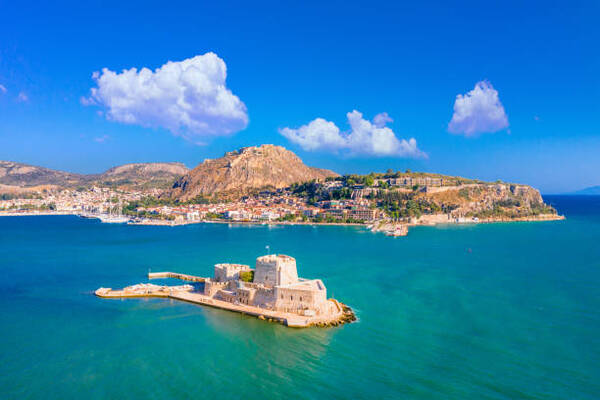
Greece is reimagining its world-famous “Sun and Sea” tourism model by embracing sustainability practices to ensure the long-term viability of its marine ecosystems. As environmental pressures from climate change, pollution, and overdevelopment continue to threaten its coastal resources, Greece recognizes the urgent need to align its tourism industry with global conservation standards. By prioritizing marine protection and eco-friendly practices, Greece aims to preserve its pristine seas and vibrant coastal environments, ensuring that its tourism economy remains resilient and sustainable for generations to come.
Greece’s globally renowned “Sun and Sea” tourism model, which has long been the cornerstone of its international appeal, relies on something far more delicate than it may appear: the health of its marine ecosystems. As environmental concerns continue to escalate, experts are increasingly highlighting that the long-term viability of this iconic tourism model hinges on more than just local actions. It will require a strategic alignment with global marine protection standards to ensure sustainable growth.
A pivotal moment in this global push for marine conservation came with the recent ratification of the Global Ocean Treaty by 60 countries. This landmark agreement has opened the door for coordinated global efforts to protect the high seas, guaranteeing that tourism-based economies, such as Greece’s, which depend on clean waters and thriving biodiversity, will be able to flourish in a sustainable manner. This treaty signals the urgent need for all countries, including Greece, to take concrete steps toward preserving marine ecosystems for the future.
For Greece, safeguarding its marine environment is no longer a choice — it is an imperative. The country’s pristine seas, vibrant coral reefs, and robust coastal ecosystems are not only integral to its national image, but they also form the backbone of its economy and social structure. However, increasing pressures from pollution, overdevelopment, and the accelerating impacts of climate change are threatening the very resources that have made Greece one of the world’s leading tourist destinations. Without decisive action, these environmental stressors could erode the foundations of the “Sun and Sea” model upon which Greece’s tourism economy relies.
At present, only 0.9 percent of international waters are fully protected, leaving vast swaths of the world’s oceans vulnerable to degradation. The Global Ocean Treaty aims to change this dismal statistic by facilitating the creation of marine sanctuaries that will mitigate climate change, protect essential food resources, and preserve biodiversity. These principles are directly aligned with the needs of Greece’s marine tourism economy, which is heavily dependent on the health of its coastal ecosystems. As a signatory of the treaty, Greece now faces the challenge of adopting and applying these principles within its own waters.
In line with these global objectives, Greece has made significant strides in marine conservation. Recently, the country established two new Marine Protected Areas (MPAs) in the Ionian and Aegean Seas, signaling its commitment to the protection of marine life. Furthermore, with the ratification of the Global Ocean Treaty, Greece is now part of the global initiative to meet the 30×30 target — an ambitious goal to protect 30 percent of the world’s marine areas by 2030. This progress is commendable, yet, as highlighted by environmental organizations such as Greenpeace, true success will only be achieved if these protections are institutionalized and rigorously enforced through national laws and presidential decrees.
While the establishment of MPAs is a positive step, Greece now faces the challenge of building on this momentum to achieve even more meaningful results. To ensure the continued health of its marine environments, the country must look beyond merely meeting international targets and embrace best practices adopted by leading environmental organizations. These best practices include expanding MPAs, creating ecological corridors to link fragmented marine habitats, and establishing Strictly Protected Areas that cover at least 10 percent of Greece’s marine territory. Such steps would go a long way toward preserving the ecological integrity of Greece’s seas, ensuring that they continue to support both local communities and the global tourism industry.
The future of Greece’s “Sun and Sea” tourism model depends on a fundamental shift in approach — one that moves from exploiting the country’s natural beauty to actively protecting it. This paradigm shift calls for a closer integration of national tourism policies with global conservation efforts. By doing so, Greece can not only protect its invaluable marine ecosystems but also secure its position as a global leader in sustainable tourism. In an era where environmental awareness is at an all-time high, Greece’s commitment to safeguarding its marine heritage will enhance its appeal to a growing demographic of eco-conscious travelers.
Ultimately, the preservation of Greece’s marine resources is not just about meeting global conservation targets. It is about ensuring that the country’s tourism industry remains resilient in the face of environmental challenges. With a unified effort that combines national legislation, international cooperation, and industry innovation, Greece can create a sustainable tourism model that not only benefits its economy but also sets a global example for marine conservation. By aligning its tourism policies with the Global Ocean Treaty and adopting cutting-edge environmental strategies, Greece has the opportunity to become a leader in sustainable marine tourism for generations to come.
