
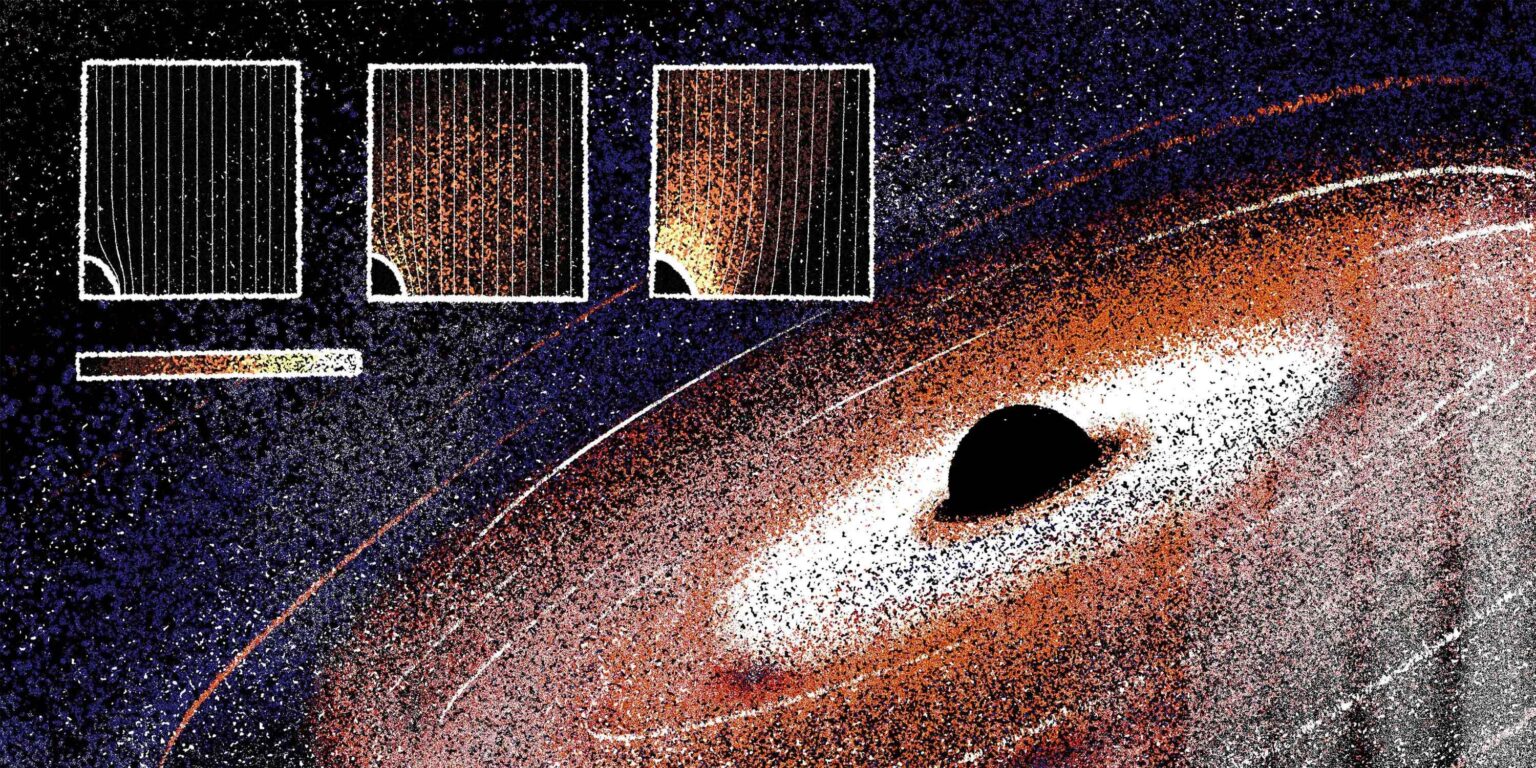
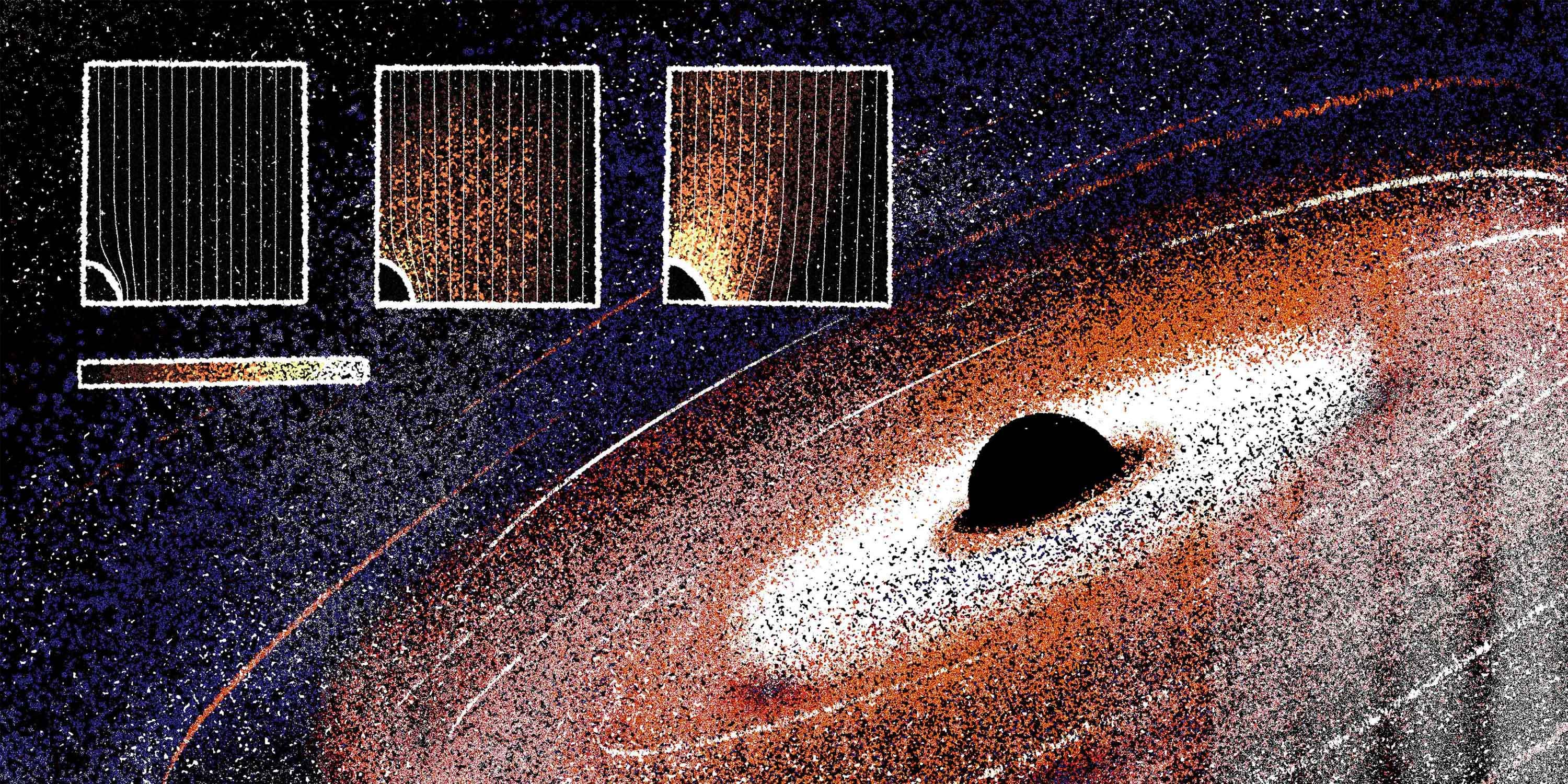
Our universe may be full of microscopic black holes, and this idea is gaining prominence as a compelling explanation for the origin of dark matter. “The idea is very simple” says CERN researcher Dr. Franciolini. And it requires “nothing beyond the standard model,” in contrast to many other theories.
https://www.supercluster.com/editorial/dark-matter-detectives-are-searching-for-tiny-black-holes
10 Comments
>gaining prominence
the number of researchers that subscribe to this has doubled from 4 (0% of physicists) to 8 (0% of physicists)
I never understood this theory. I thought small black holes evaporate from Hawking Radiation very quickly?
Relevant xkcd: https://xkcd.com/2035/
and the corresponding explanation: https://www.explainxkcd.com/wiki/index.php/2035:_Dark_Matter_Candidates (with further references out to other papers and articles)
I like the idea of using something as seemingly benign as rocks to help gather more information about the unknown universe. It makes the most sense – if it’s accurate and not too labor intensive – those things go all over the universe.
Could explain the Fermi paradox. Imagine flying into one of these.
I got called crazy for tossing this idea out there.
Obligatory link to the the short story “The blue afternoon that lasted forever”.
If you havent read it, do yourself a favour. Its great science fiction.
https://www.williamflew.com/blue.html
Seems unlikely as lots of small black holes don’t change the overall energy density of the universe, and one of the primary ways of measuring the amount of baryonic matter is the energy densities of cosmic microwave background.
There are other measurements such as gravitational measurements which ALSO line up with the cosmic microwave background measurements.
For this theory to be true, we would have seen a very different energy density in the CMB, and also we’d see differences in the helium / deuterium ratios after the Big Bang.
Also it’s been ages since I’ve sat through cosmology lectures, but I am pretty sure they thought of this a long time ago already and ruled it out for the aforementioned reasons.
If there are many mini black holes, why would the universe keep expanding?
Happy that “dark matter” turns out to be the bs I thought it was.