
The Paris Agreement catalysed new approaches to climate governance and policy across the globe, a report by the UN-backed Deep Decarbonization Pathways initiative finds. However, it also highlights a series of remaining challenges, including the need to reduce the disconnect between long-term government strategies and concrete policy decisions on climate change.
The DDP initiative was launched in 2013 by the UN Sustainable Development Solutions Network and Paris-based think-tank the Institute for Sustainable Development and International Relations (IDDRI). Its latest report analyses the climate policies of 21 countries and assesses their progress since the Paris Agreement.
“We see real progress in governance and policy, but also persistent gaps that cannot be ignored,” said IDDRI executive director Sébastien Treyer during a press briefing on Monday.
The report finds significant advances in laying the groundwork for long-term transformation, with governments now using scientific evidence more widely to guide decisions. National strategies are increasingly shaped by long-term climate goals supported by clearer institutional responsibilities, legal frameworks and policy directives.
The authors highlight China, where the carbon neutrality target has been embedded into five-year development plans and supported by dedicated sectoral action plans.
Brazil is cited as another example, where long-term analytical work by national climate scientists has informed and supported key decisions by the ministry of finance and other economic governance bodies, integrating climate considerations into broader economic planning.
The analysis shows that national policies have accelerated the deployment of low-carbon and energy-efficient technologies across the economy.
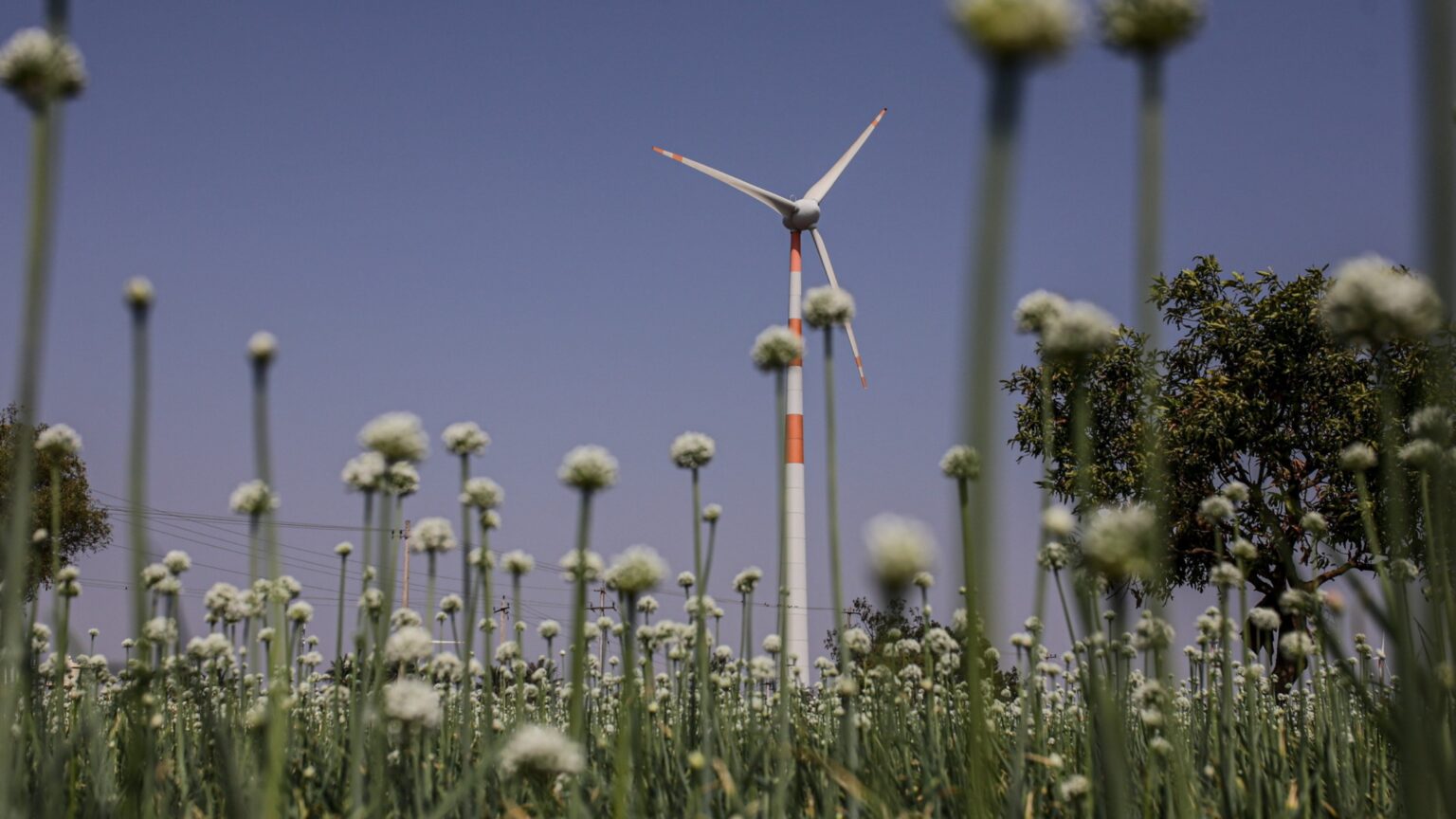
In India, supportive national policies have enabled the share of energy produced from renewable sources to grow more than fourfold over the past decade. In the US, coal’s share in electricity generation has dropped to less than 16 per cent in 2024 from around 40 per cent.
But the report also points to persistent shortcomings that have slowed overall momentum.
The report notes that long-term strategies are often disconnected from concrete policy decisions, and interministerial co-ordination remains a challenge.
Policies also tend to focus on short-term emission reductions, without sufficient emphasis on the actions needed to secure longer-term goals on the path to carbon neutrality.
Read the full report here.