
 Ritratt: Miguela Xuereb
Tista’ taqra bil-
Malti.
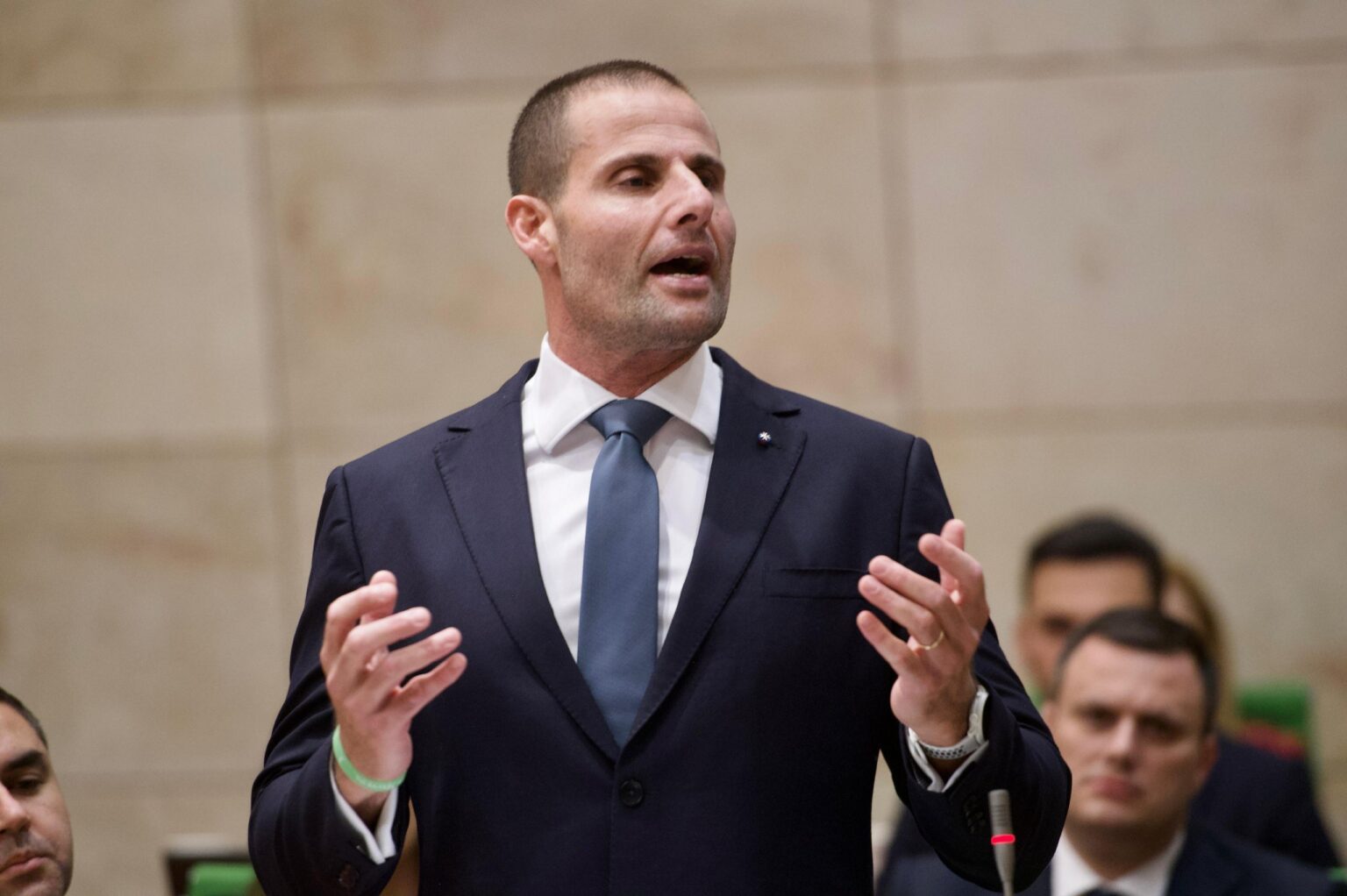
Prime Minister Robert Abela has firmly denied allegations that Russian government agents are operating within Malta’s administration to advance President Vladimir Putin’s agenda. He warned that such accusations undermine Malta’s credibility on the international stage and damage ongoing efforts to strengthen the country’s reputation within European institutions.
Speaking in Parliament following a meeting in Copenhagen, Abela was responding to questions from Nationalist MP Beppe Fenech Adami, who suggested that an individual allegedly linked to the Russian government might be on the Maltese government’s payroll.
Fenech Adami pressed the Prime Minister on whether he was comfortable with this person’s position and whether the government had taken steps to prevent cyberattacks or address Russian-linked assets.
Abela dismissed the claims outright, criticising what he described as “reports appearing on portals whose agendas are widely known”. He said such narratives often gain unwarranted prominence in European institutions, harming Malta’s standing among its peers.
The parliamentary session began with a heated exchange between Abela and Opposition Whip Robert Cutajar. Cutajar accused the Prime Minister of refusing to share a copy of his parliamentary statement, to which Abela replied that he was following the same practice used by Opposition Leader Alex Borg, who had not provided his own speech in advance.
Tensions escalated further when Borg arrived five minutes late to the session, prompting Abela to accuse him of showing disinterest. Borg retorted that, unlike the Prime Minister, he had no police escort and had been stuck in traffic.
During his address, Abela highlighted Malta’s consistent advocacy for peace in the Middle East. He reiterated that the European Union’s smallest member state has always championed dialogue and diplomacy over the accumulation of arms.
Abela revealed that, during the UN General Assembly in New York, Malta, alongside several other nations, formally recognised Palestine as a state.
The Prime Minister said Malta could not remain silent over the suffering in Gaza, where tens of thousands of civilians, particularly women and children, have been killed and many others face starvation and lack of medical supplies. He noted that Malta had taken in a number of injured Palestinian children and youths, pledging continued support for them “as long as necessary”.
Abela also outlined Malta’s contributions during the informal European Council summit and the European Political Community meeting in Denmark.
On defence, he reaffirmed Malta’s constitutional commitment to neutrality, while on migration, he pointed to a “drastic reduction” in irregular arrivals in recent years as evidence of effective policy.
Opposition welcomes recognition of Palestine
Opposition Leader Alex Borg, meanwhile, used the session to mark the second anniversary of the Hamas attacks on Israel, condemning the violence and stressing that Hamas does not represent the Palestinian people.
Borg welcomed Malta’s recognition of the State of Palestine, calling it “a tangible step towards a two-state solution”.
He said the Nationalist Party supports all initiatives that promote lasting peace in Ukraine and Gaza, including the release of hostages and humanitarian aid. Borg added that Malta should strengthen its foreign service capabilities to ensure active participation in international fora and called for a unified national position on foreign policy.

