
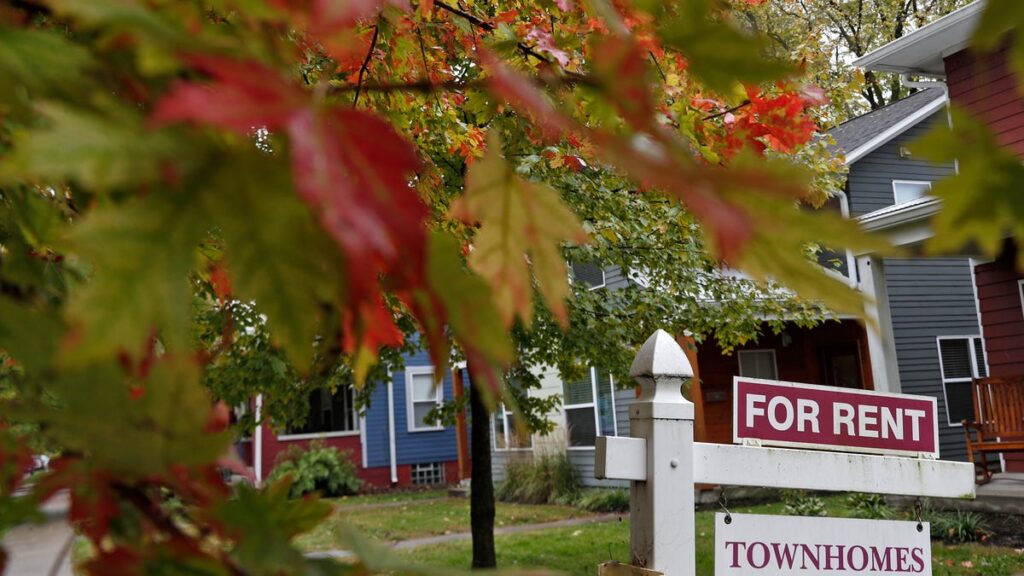
We all benefit from existing government controls on the cost of necessities like electrical power, water and sewage. Indiana needs to control the cost of rent, too.


West Lafayette struggles with student luxury apartments, but at what cost?
Purdue University students take a late-night swim on Saturday, Sept. 6, 2025, in the rooftop pool of The Hub.
Our law school clinic represents low-income tenants in local eviction courts. A man named William came into court with a problem not long ago.
He was in his 80s and living on a fixed income. He was able to afford rent on his apartment for over a dozen years, even with annual small increases in cost. He knew his neighbors well and moving would have been very difficult at his age.
But William’s neighborhood was gentrifying. An out-of-state corporation purchased his building, aiming for more upscale tenants. The new landlord raised rent by more than 20%. William could not afford that but had no idea where he could go.
Indiana needs rent control
When I saw the Indiana General Assembly passed legislation aimed at limiting health care costs this year, I thought of William.
Senate Majority Floor Leader Chris Garten told Indiana health care providers to “get your prices in line or we’ll do it for you.” Indiana’s new caps on health care prices follow health care cost controls that have been in place for years at the federal level.
Our Hoosier lawmakers need to build on their health care action by taking similar steps to address our state’s affordable housing crisis.
A recent report by Prosperity Indiana showed that millions of low-wage Hoosiers and their families struggle to afford their rent. That outcome is not surprising, since the Indiana Business Research Center has pointed out that rents in Indiana metro areas increased by more than 30% between 2020 and 2023.
The legislature should institute controls on rent statewide, or at least allow local communities to make their own decisions on how to address the rising costs contributing to the over 70,000 evictions filed each year in Indiana.
Controlling housing costs is not unusual
Controlling rent is as American as apple pie. Over 180 municipalities in the U.S. limit rent increases, usually at an amount linked to overall inflation. Among those are both large cities and smaller communities, including dozens of small towns and townships in New Jersey.
We all benefit from existing government controls on the cost of other necessities like electrical power, water and sewage. Throughout U.S. history, price controls on goods like food and other necessities have been imposed on multiple occasions, including by the Richard Nixon administration in the 1970s.
For those of us fortunate enough to own our own homes, we likely already enjoy what Rutgers University economist Mark Paul calls “de facto rent control.” The government created 30-year mortgages with the predictable costs and housing stability our renting neighbors do not enjoy.
This benefit and the generous government-provided tax breaks on mortgage interest and home sales means that if we own our home, we are effectively living in subsidized housing.
Some may be familiar with the Economics 101 argument that rent control lowers the supply of housing. Many economists, however, are now reconsidering that position, joining with housing experts and lawmakers in arguing for price controls on rental housing with government-backed loans.
The Atlantic’s noted housing writer Jerusalem Desmas is among those who changed her mind to become a rent control supporter. Desmas notes that the Economics 101 argument once also claimed minimum wage increases similarly depress supply, until data disproved the argument.
Most importantly, rent control has proven time and again to achieve its primary goal of keeping housing affordable and allowing renters like William to stay in their homes.
Setting price controls on rent could help Indiana escape its rental housing cost crisis, if only state officials would do so or allow local officials to.
Fran Quigley is a law professor at the Robert H. McKinney School of Law and Health and Human Rights Clinic director.