
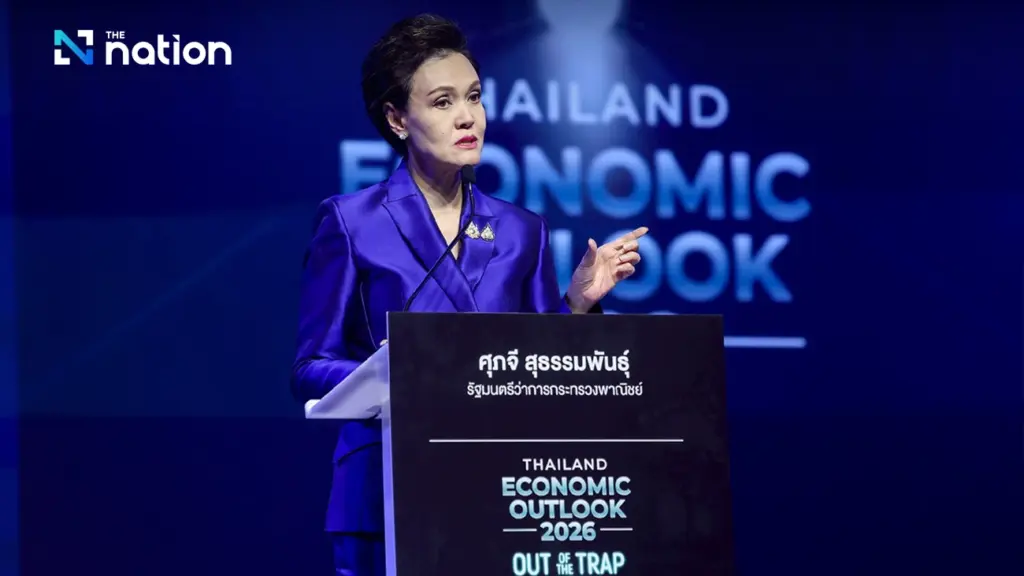
Thailand currently has 14 signed FTAs covering 18 countries, providing tariff benefits that the minister urged businesses to fully utilize.
Looking to long-term structural reform, Suphajee emphasized the need to transform Thailand’s economic model from supply-driven to demand-driven production, particularly in agriculture.
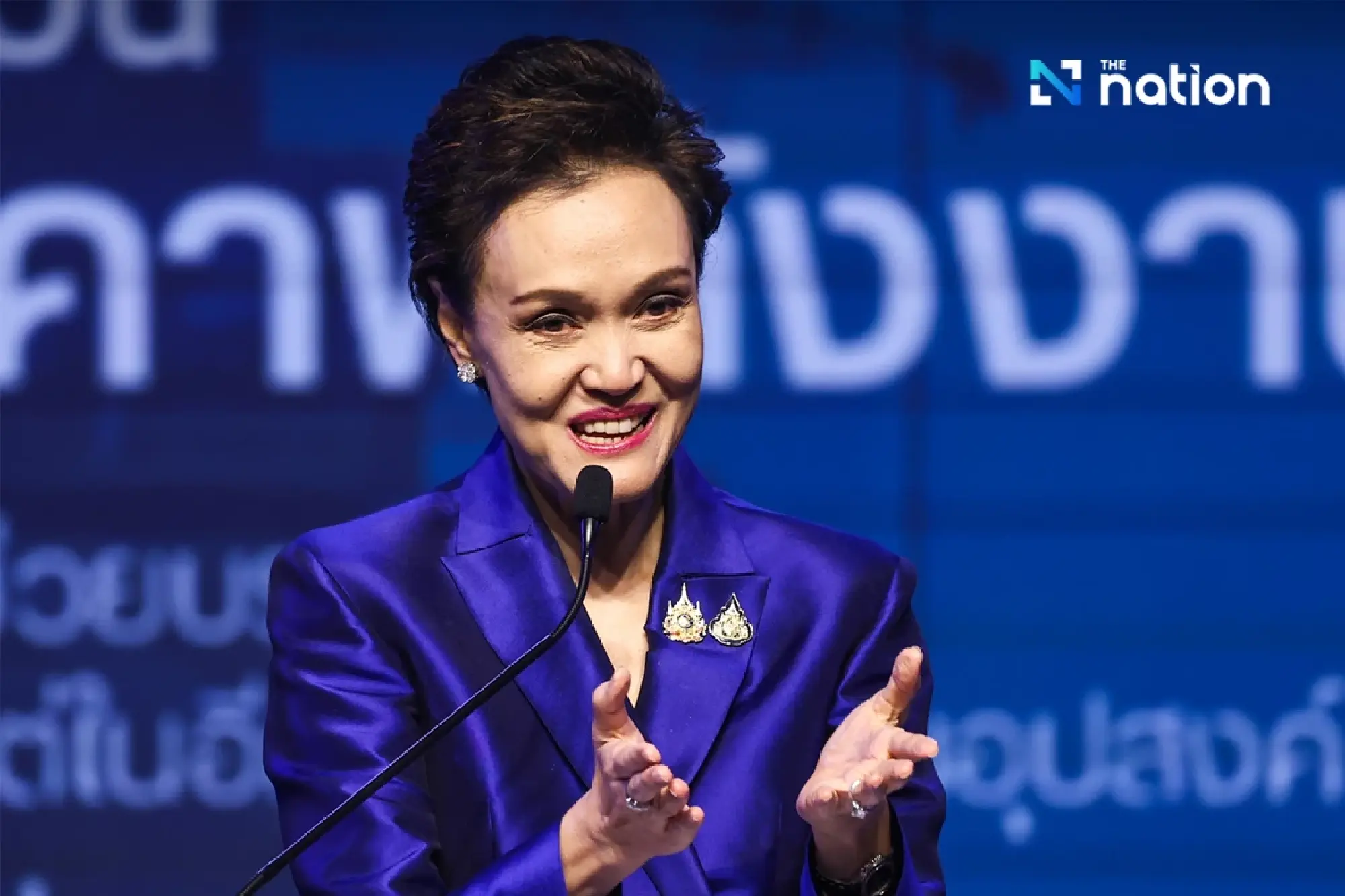
“We should change the production method, whether it’s agricultural products or consumer goods, to be demand-driven, not supply-driven,” she said. “We cannot plant rice like everyone else and suffer price pressure.”
The minister outlined Thailand’s strategic pivot toward a “Value Economy,” leveraging the country’s geographic position at the center of Indochina, its biodiversity, and emerging opportunities in wellness tourism, medical services, and innovative food production.
“Thailand must focus on value-based growth,” Suphajee said, pointing to the country’s potential to become a regional Wellness Hub and Future Food hub by integrating knowledge and innovation into traditional strengths.

Navigating Global Headwinds
The minister acknowledged that Thailand faces multiple external pressures, including geopolitical tensions, deglobalization trends shifting trade away from multilateral agreements toward bilateral deals, and stringent environmental requirements such as carbon border adjustment mechanisms.
“The current economic and trade environment is highly volatile due to geopolitics and regulatory changes, requiring rapid adaptation by businesses,” she said.

To better navigate these challenges, the Ministry of Commerce is investing in digital infrastructure, including a Trade Intelligence System capable of forecasting supply, demand, and prices, as well as launching the “MOC Fondue” platform to simplify public access to government services.
The minister concluded by emphasizing that achieving economic success requires collaboration between government and the private sector, with businesses capitalizing on emerging opportunities while the government builds confidence through policy implementation.