
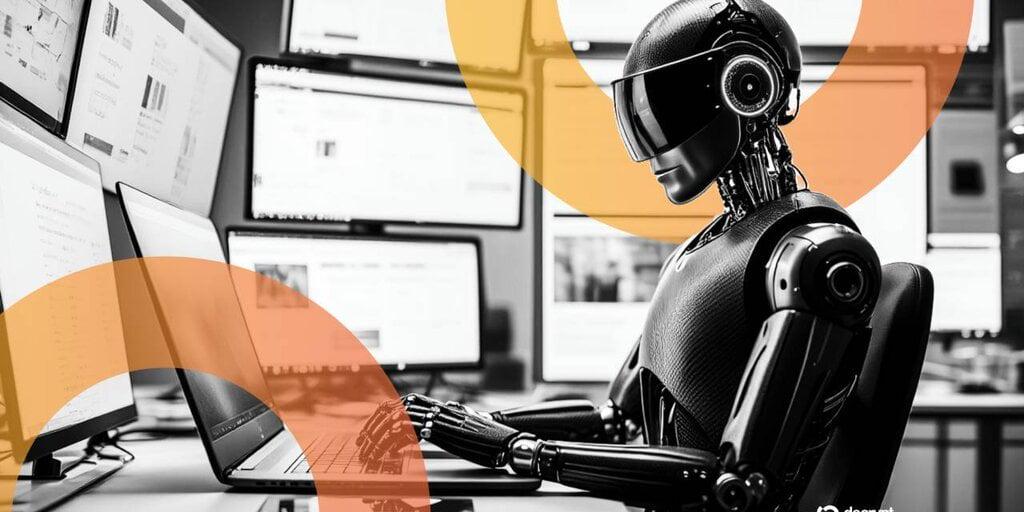
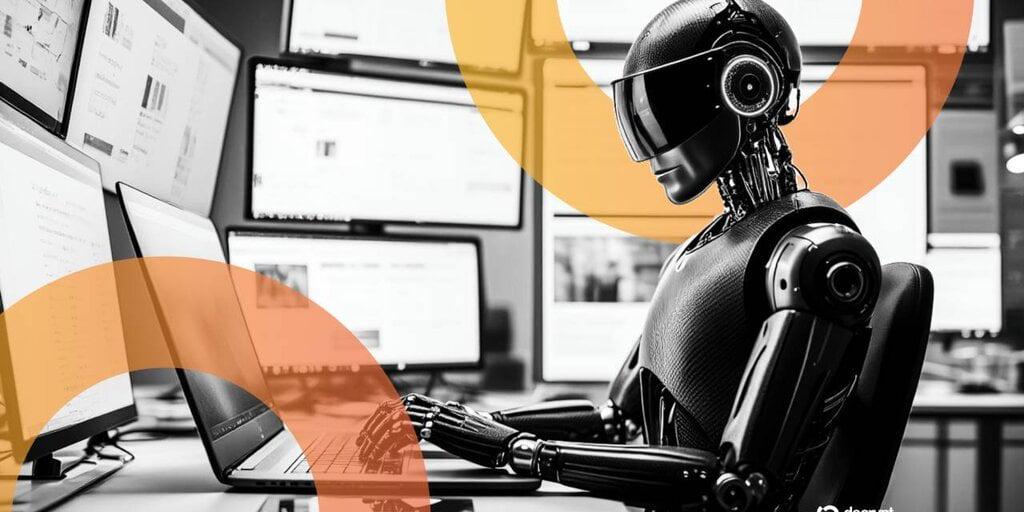
I wonder how close the day is when we will have cheapish ( $20k, or so) humanoid robots capable of most unskilled or semi-skilled work? I'd guess 2030, or so. This new training approach confirms that the guess is on track to be right.
Significant too that they used Unitree's G1 model. It retails for less than $20k. When these robots capable of most work arrive, they won't be expensive. They'll work 24/7 for a fraction of the cost of a minimum wage human employee.
Dealing with this, by reorganizing our economic system, is likely to be the main political issue in developed nations in the 2030s.
HumanoidExo Turns Human Motion Into Data That Teaches Robots to Walk
In a significant advance in training humanoid robots from data or simulations, researchers have started training them by mapping humans in exoskeleton suits.
byu/lughnasadh inFuturology
4 Comments
it’s crazy how fast this tech is moving, but i wonder what jobs will even be left for humans when these robots are everywhere. the future could get pretty weird.
Fraction of cost in theory only IMHO.
I’d see it similar to how functions will be locked behind paywalls, replacement batteries dealt like printer ink and spare parts from car industry in general. Add to that Apple type degrading functionality degrading when company decides it is time to buy new model.
Why make humanoid the form factor of choice, though? It introduces additional complexity that isn’t needed. In a factory setting, just design it for the simplest robot, which would be wheeled or tracked. No stairs, no uneven surfaces. Does a robot need a completely humanoid form factor to fold or sew clothing? In some cases, we may prefer a humanoid form, but the tradeoff for now is complexity and safety. A humanoid robot is constantly under tension to remain balanced, and if it gets unbalanced, it can move dangerously fast to correct itself. You don’t want that happening in a crowded restaurant.
Mapping human motion directly into robot training feels like the missing link between simulation and intuition.
The next few years will show whether they can make it practical beyond lab demos.