
Published on
October 14, 2025

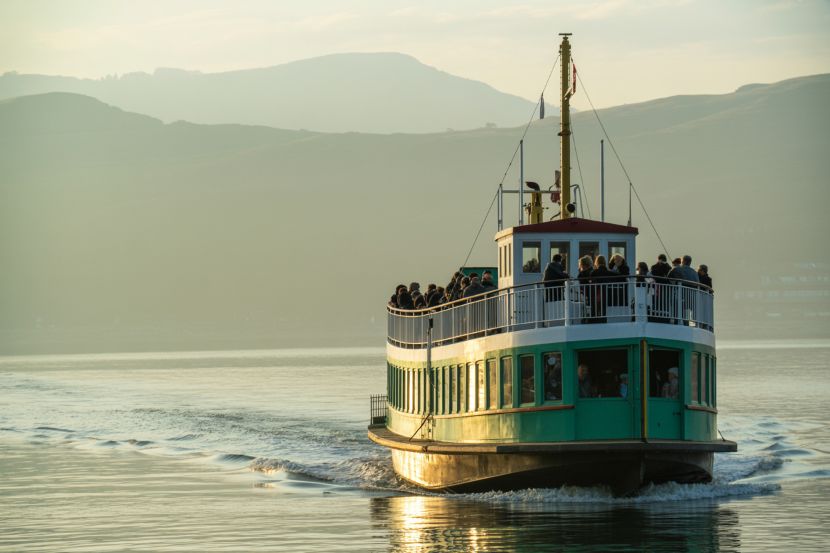
Starting in 2026, travelers between Switzerland and France will notice a reduction in ferry services on Lake Geneva, particularly affecting routes between Switzerland’s Vaud canton and neighboring French towns. These changes will be implemented as part of a new agreement between both countries, which aims to address the financial aspects of cross-border passenger transport on the lake. With fewer ferries running, tourists and daily commuters alike will have to adjust to the new schedules and travel options.
Key Changes to Lake Geneva Ferry Service in 2026
In December 2025, Vaud authorities alongside French counterparts from towns like Evian and Thonon-les-Bains confirmed that service would be scaled back on Lake Geneva. The decision comes after France’s abandonment of the previous arrangement, which had allowed for the smooth operation of ferry services across the Swiss-French border. To mitigate the impact, both Switzerland and France have worked together to reach a solution, but the revised service will see significant cuts.
What to Expect From the Reduced Service
In 2026, some of the most noticeable changes will be fewer ferries operating on certain routes. The frequency of ferries connecting Lausanne (Switzerland) to Evian and Thonon-les-Bains (France) will be cut by up to 50%. This means that these routes, which are quite popular, especially in the summer months, will see a marked reduction in availability. Additionally, the service to Yvoire will also face a reduction.
The good news for cross-border workers is that peak-hour services will continue to run. These services are crucial for those who rely on the ferry for their daily commute between the two countries. The revised schedules are designed to ensure that workers can still travel without disruption during rush hours. However, for leisure travelers, the reduced frequency could mean a shift in how they plan their visits to the region.
Impact on Tourism and Travel
The reduction in ferry services will undoubtedly have an impact on tourism in the area. With fewer boats sailing between Switzerland and France, the leisure traffic that often takes to the water will likely drop. In particular, the peak summer months could see fewer people opting for the ferry, shifting instead to road-based travel. The charming lakeside towns along Lake Geneva have long been popular destinations for tourists, but with fewer ferry options, some may rethink how they explore the region.
Travelers seeking scenic cruises across the lake or a peaceful boat trip to visit neighboring towns may find their options limited, especially on weekends when leisure traffic is typically higher. As more people turn to car travel, this could increase road traffic along the shores of Lake Geneva.
The Financial and Operational Factors Behind the Changes
The root cause of these changes lies in the financial and logistical issues surrounding the operation of ferry services on the lake. The Compagnie Générale de Navigation (CGN), the Swiss company responsible for operating the ferries, has struggled with the costs of running these services. Both Switzerland and France have typically shared the financial burden, but the agreement was in need of restructuring. France’s withdrawal from the existing agreement led to discussions about how to balance the service’s costs moving forward. Both countries agreed to finance half of the service costs each, but the overall funding will no longer cover the same level of service, resulting in the timetable adjustments.
What Should Travelers Do?
For those planning trips across Lake Geneva, it is advisable to check the new schedules ahead of time. Travelers should also consider alternative modes of transportation, such as bus services or car rentals, especially if they’re visiting the more remote lakeside towns. If you are a regular commuter, the peak-hour services will remain in place, but off-peak travelers should be prepared for fewer options.
It’s also worth exploring other tourist destinations in the region, which might offer alternative ways to enjoy the Swiss-French border and the surrounding areas without relying on ferry services. As the ferry service changes, it’s a great time to plan out new ways to experience this beautiful area, whether on foot, by bus, or by car.
New Travel Considerations for Cross-Border Commuters and Tourists
For cross-border commuters, the continued availability of peak-hour services will ease concerns about work-related travel. However, those with flexible schedules may find themselves exploring alternative options. As for tourists, the reduction in ferry service could signal a shift towards other forms of local transport, or encourage travelers to make their visit during off-peak times to avoid busy periods.
Additional Insights on Travel Around Lake Geneva
The region around Lake Geneva is famous for its stunning landscapes, historical landmarks, and charming towns. If you’re a tourist, this reduction in ferry services could prompt you to discover new ways of exploring the area. Road trips along the lake offer picturesque views, and numerous walking and cycling paths wind through the region, providing different perspectives of this iconic Swiss-French border. Whether you’re staying in Lausanne, visiting the thermal spas in Evian, or exploring the medieval beauty of Yvoire, there’s still plenty to see and do.
Final Thoughts: Adapting to Change
Though the changes to the ferry services on Lake Geneva will affect tourists and commuters, the move is part of a broader effort to balance costs and keep services running sustainably. Both Switzerland and France remain committed to ensuring that essential travel continues, especially for those relying on peak-hour services for work. For those planning to visit the area, it will be important to plan ahead and remain flexible, as changes in the transport landscape are set to reshape travel across the lake.
