
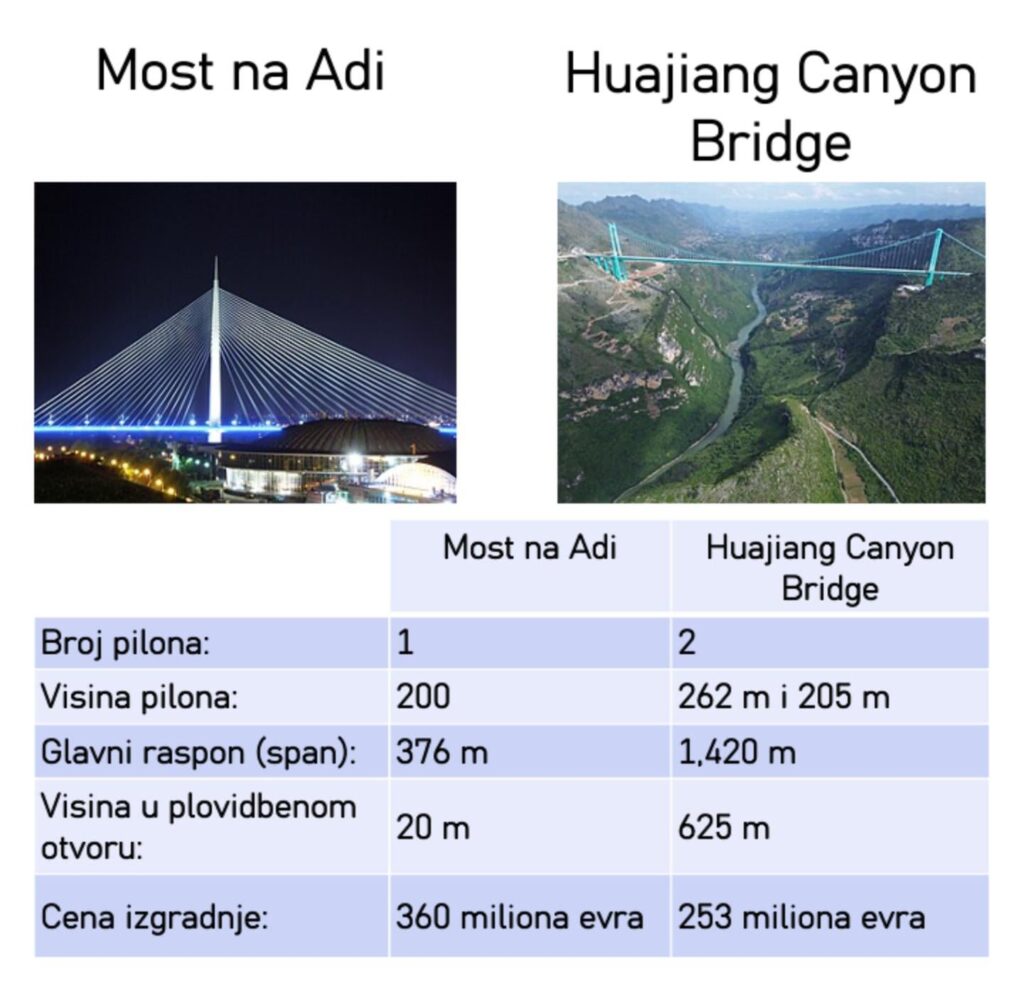
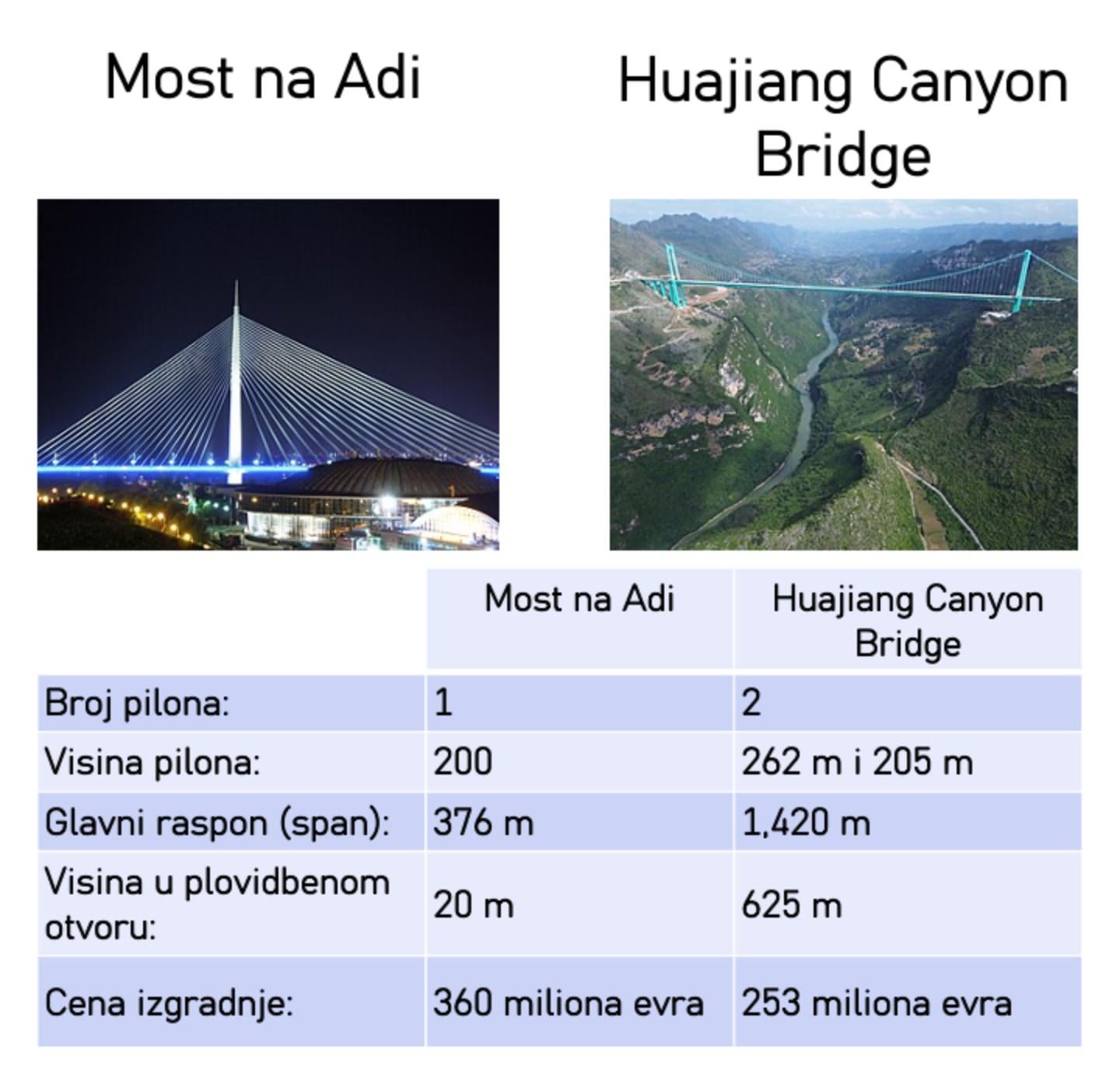
Brothers, sisters and transgender people Serbs and Serbian women, and all 24 national minorities including the venerable wizard in the black robe – Steven Seagal, is this possible? It was the other day the highest bridge in the world opened. Apart from the listed technical features, there is also a restaurant at the top of the pylon, a fast glass elevator to the restaurant, a glass corridor for walking with a view of the canyon below, an artificial waterfall, a bungee jump is foreseen in the project, as well as a paragliding and base jumping ramp.
And somehow, our bridge cost more. How?
https://i.redd.it/bu218ns4ecvf1.jpeg
Posted by OnePalmOne
30 Comments

I ovaj Kineski sad zavrsen. Sto nam govori da u Srbiji nema veze ko je na vlasti.
али тад је ђилас био на власти
https://i.redd.it/30ahrdsvhcvf1.gif
Od svih koruptivnih projekata, baš se seti Mosta na Adi. Da nećemo sad da kopamo i privatizacije, ali samo do 2012?
Mislim, šalim se, ali ovi sad su imali pojedinačne projekte gde su se više najeli para od ukupne cene tog mosta.
Hoćeš da kažeš da Kinezi to mogu da naprave za manje para?
Da ga je trenutna vlast gradila bio bi milijardu.
Лол ово је још мила мајка.
Ти ће’ се шлогираш онда кад ти будем реко да напредњачки картел планира да издвоји (читај украде) 2.2млрд€ за јебени мотопут (дакле не аутопут) Сомбор-Кикинда уместо првобитних ~430мил€. Да подсетим, реч је о врв најлакшем терену у читавој земљи- војвођанској равници. Готово никакве природне препреке. 2.2млрд€. Мотопут. Та вест је тотално прошла испод радара.
А ово је само један од милион примера пројеката са набуџеном ценом.
https://preview.redd.it/qsc6jcn3lcvf1.jpeg?width=1125&format=pjpg&auto=webp&s=8822b760ba196d87c5391beb96186e4748f2dedd
odakle info da je potrošeno 360 miliona evra?
Most na Adi je bio 160 miliona
https://preview.redd.it/8k25u3xdncvf1.png?width=1920&format=png&auto=webp&s=164bed8457a74f4dc358575ac594439db796bac0
Koštao 161 milion evra, bio raspisan tender po zakonu, nisu ga radili Kinezi, ima upotrebnu dozvolu, bolji je i lepši nego ovaj kineski.
Kineski radnici su jeftiniji. Kina proizvodi kablove za most, dok smo mi morali da uvozimo.
Huajiang most ima samo 4 trake, most na Adi 6+2 za pesake+2 za buduci metro. Ukupna tezina kineskog mosta: 22,000 tona, most na Adi: 165,000 tona. Zbog svih tih traka, most na Adi ima 8 stubova sto dodatno povecava cenu.
Tako da ako ovo ubacimo u racunicu, ja bih rekao da je most na Adi zapravo jako jeftino ispao.
Da budemo pošteni, taj kineski most jeste neverovatno jeftin, čak za njihovu radnu snagu. Most na adi beše nije toliko koštao, pa ni sa naknadim sada već propalim naprednjačkim tramvajskim šinama.
Infrastructure projects in China are typically significantly cheaper than in Europe due to several interconnected factors:
# Labor Costs and Availability
The most significant factor is labor costs. Construction workers in China earn substantially less than their European counterparts – often 1/5 to 1/10 of European wages. China also has a massive pool of construction workers, many of whom are migrant workers from rural areas willing to work for lower wages and in demanding conditions. This includes skilled workers like engineers and project managers who also command lower salaries than in Europe.
# Regulatory and Administrative Differences
Chinese projects face far fewer regulatory hurdles. Environmental impact assessments, while increasingly important in China, are typically faster and less stringent than European standards. Labor regulations regarding working hours, safety standards, and worker protections are less comprehensive and less strictly enforced. The permitting process that might take years in Europe can be completed in months or even weeks in China.
Land acquisition is also dramatically different. In China, the government can requisition land relatively quickly with limited compensation, whereas European projects must navigate complex property rights, lengthy negotiations, and fair market compensation requirements that can add years and substantial costs to projects.
# Scale and Standardization
China builds infrastructure at unprecedented scale, allowing for massive economies of scale. They’ve developed standardized designs for bridges, tunnels, and rail systems that can be replicated across projects, reducing design costs and allowing for bulk procurement of materials. The sheer volume of construction means Chinese companies have developed highly efficient supply chains and can negotiate better prices for materials and equipment.
# Industrial Policy and Financing
The Chinese government treats infrastructure as a strategic priority, with state-owned enterprises (SOEs) often building projects at low or even negative profit margins as part of broader economic development goals. State-owned banks provide low-interest loans for infrastructure projects, and local governments are incentivized to facilitate rapid construction as part of GDP growth targets.
# Construction Methods and Technology
Chinese construction often operates 24/7 with multiple shifts, while European projects typically have restricted working hours. China has also invested heavily in construction technology and prefabrication techniques that speed up building while reducing costs. They’ve become world leaders in certain construction technologies, particularly in high-speed rail and bridge construction.
# Trade-offs and Hidden Costs
These cost savings come with trade-offs that Europe generally doesn’t accept. Chinese projects sometimes have quality issues that require earlier maintenance or replacement. Worker safety standards are lower, resulting in higher accident rates. Environmental damage that would halt European projects may be accepted in China, creating long-term costs not reflected in initial construction budgets.
There’s also less public consultation and opportunity for legal challenges in China. While this speeds up projects and reduces costs, it means affected communities have limited recourse, something that would be politically and legally unacceptable in Europe’s democratic systems.
# Geographic and Geological Factors
Interestingly, when China builds in similar geological conditions to Europe (mountainous terrain, seismic zones), costs increase substantially, though they remain lower than European equivalents due to the factors mentioned above.
The cost difference ultimately reflects different societal priorities and systems. Europe prioritizes worker safety, environmental protection, property rights, and democratic participation in planning decisions – all valuable but costly. China prioritizes rapid development and economic growth, accepting trade-offs that European societies largely reject. Neither approach is inherently superior; they reflect different values and development stages.
253 miliona “po tvrdnjama kineskih vlasti”… koji nikad ne bi lagali
Hehe al si glup ispao
Bolje uporedi cenu fontane na slaviji sa cenom iste fontane na ali ekspresu.
Ljudi, ne ložite se na ćacija…
Boze koji mentol…sta da ti pisem sto ti ljudi vec nisu napisali…ako nisi botina stvarno mi je zao kolko si glup, ako si botina nije mi zao i voleo bih da si jos gluplji ✌️
u pravu je bot, odnosno OP, svi su bre isti, ma necu ni da glasam na sledecim izborima, nemam za koga… OP mi je otvorio oci, sad kad sam ovo video ne zanima me politika ma svi su isti…
Ljudi misle da je pickousti izmislio korupciju ali istina je zapravo da ju je samo doterao do krajnje granice ludila. Ja ne znam zasto je ljudima problem da priznaju da je i vlast pre njega bila poprilicno ogrezla u korupciju kad je uostalom preko pola tih ljudi preletelo u sns i sad i dalje na vlasti (ili potpomaze vlast kao smrdljivi Djilas koji je bio gradonacelnik kad se ova skalamerija napravila). Ako zaboravimo da je ovo samo finalni stadijum oboljenja nacije koja vec dugo boluje od iste nikada se necemo izvuci iz govana kojim smo zatrpani.
Apsolutna laž. Taj most je zvanično košta 150M€
Pouzdano znam i dajem glavu da je informacija tačna. Ujedno meni je to jedini lep most u Beogradu…
Malo si se zajebao sto se cene naseg mosta tice. Tacno je da je 360 miliona evra, ali to je CEO projekat sa svim prikljucnim petljama i saobracajnicama. Konkretno SAM MOST je bio **160 miliona evra**. Tadasnjih 160 miliona bi danas bilo oko 217 miliona. A kineski most bi onda bio oko 300-310 miliona evra (ako uracunamo inflaciju). Neko ce me ispraviti ako sam nesto sjebao.
Nekako, nas most nije kostao vise, tako da je sve u redu, bato. Kineski je skuplji i komplikovaniji, ali je opet izuzetno jeftin, moram primetiti. Njima je malo i lakse nego nama da jeftinije grade. Kapiram da insinuiras da se nekad kralo, sto je tacno, ali je neuporedivo sa ovime sto danas imamo. Velimir Ilic je, nazalost, lepo i seljacki opisao ovo sto danas imamo.
Gluplje i netačnije poredjenje u životu nisam video….
Transrodne osobe nisu isto što i nebinarne osobe.
Most na Adi je jedan od specifičnih mostova jer sve kablove drži jedan stub dok većina mostova ima 2. Dizajn i gradnju su vršili Srbi, Austrijanci i Slovenci koji ipak više koštaju nego kineski radnici. Sav materijal je odavde i zato je i cena takva.
https://preview.redd.it/3fbd2h31hdvf1.jpeg?width=1179&format=pjpg&auto=webp&s=72d8f4c81262bd23b85774579ac262f94e24233c
Đilas makar izgradio most ovaj tvoj smrad radikalski je samo uspeo da ga sruši da ne bi kurvama i dilerima lupali tramvaji kad spavaju, čuj mene orgijaju
Tako što Kinezi lažu, brt