
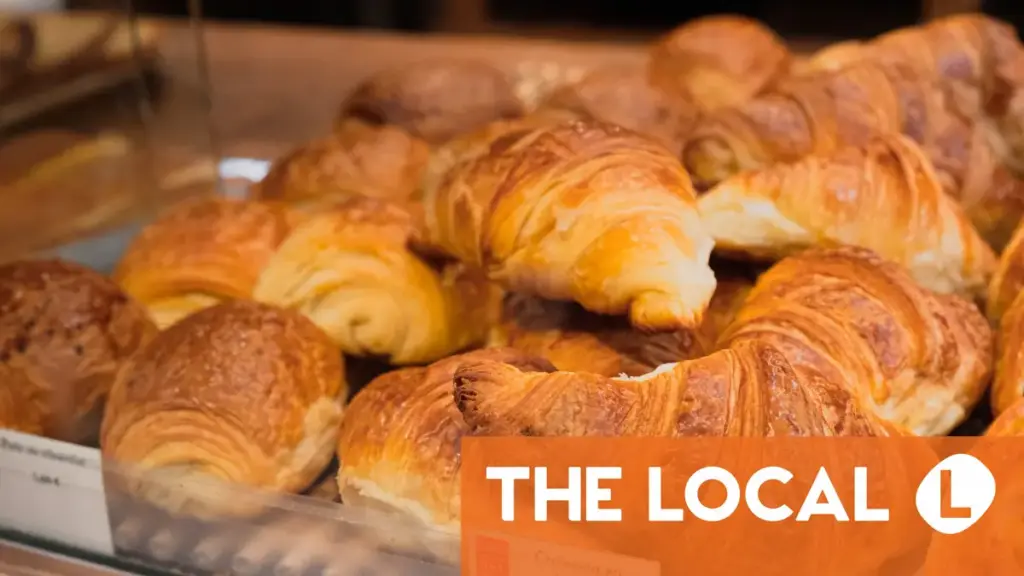
From locating France’s best croissants to eating gluten-free in France and the country’s tangible (and intangible) culture recognised by UNESCO, this week’s La Belle Vie newsletter offers you an essential starting point for eating, talking, drinking and living like a local.
La Belle Vie is our regular look at the real culture of France – from language to cuisine, manners to films. This newsletter is published weekly and you can receive it directly to your inbox, by going to your newsletter preferences in “My account”.
If I could eat croissants every day for breakfast, I would. I have been taught (against my will) that there is a proper way to consume croissants…meaning you should eat it with your hands and add nothing to it.
Still, I’ve willingly committed croissant sacrilege by adding jam. One time, I was thoroughly chastised for cutting my croissant in half and using it to build an egg-avocado sandwich.
Advertisement
I am not an official judge, but I would argue a good croissant should be soft (yet flaky), buttery and fluffy (airy on the inside). The official judges have spoken, and they say that the best croissants in France come from a small bakery in the south-west.
Official – the best croissants are found in south-west France
My brother visited a few weeks ago, and after a few days of eating in France, he said, “France really loves gluten, doesn’t it?”
This seemed to echo another recent conversation I had with an Italian friend of mine, who told me she was excited to go home to Italy to take advantage of the array of gluten-free options.
It’s true that it’s hard to avoid gluten in France, but I think it’s getting easier, especially in cities. My local boulangerie now sells a GF loaf of bread (Pavé de Campagne), and it honestly tastes just as good as the original. I’ve found that most major grocery stores offer GF pasta.
I’ve found that a lot of the advice given to vegetarian and vegan travellers in France can apply to gluten-free diets as well.
‘Call the restaurant’: Your tips for being vegetarian or vegan in France
Still, it’s true that France loves its gluten delicacies so much that it has turned them into scented stamps. First, we had the baguette-scented stamps, and most recently, La Poste has rolled out croissant-scented stamps.
Baguettes (and ‘artisanal know-how’) in making them have even been recognised on UNESCO’s intangible cultural heritage list.
6 key facts about the French baguette
If you are scratching your head about how a baguette can make it to the UNESCO list, then you might be thinking of the ‘World Heritage List’. This list recognises historic monuments and natural locations.
Advertisement
The intangible heritage list, on the other hand, seeks to preserve cultural practices. There are 29 other French traditions on UNESCO’s list. The list includes recognisable French cultural practices, like the gastronomic meal of the French, with its fixed structure of apéritif, successive courses, finishing off with cheese, dessert and a digestif liqueur.
It also includes more obscure traditions, like the bear festivities in the Pyrenees mountains, which involve a mock hunt with men dressed as bears chasing festival attendees, while being pursued by designated ‘hunters’.
Bear festivals to baguettes: France’s world-recognised cultural heritage
As for the tangible heritage, there are 54 locations in France on the UNESCO list. You probably have heard of the big names – Mont Saint-Michel, the Loire Valley (with its castles and vineyards), and the fortified city of Carcassonne.
There are plenty of other, less recognisable places worth visiting too.
Five UNESCO-recognised sites in France you should visit
And finally, one place not yet recognised by UNESCO but deserving of a shout-out is the small French village (just 1,800 inhabitants) of Lurcy-Lévis in France’s rugged Auvergne region. It hosts the world’s only street art theme park, which now includes a hotel and an artist residency programme.
The small French village that hosts the world’s only street art theme park