
Published on
October 18, 2025

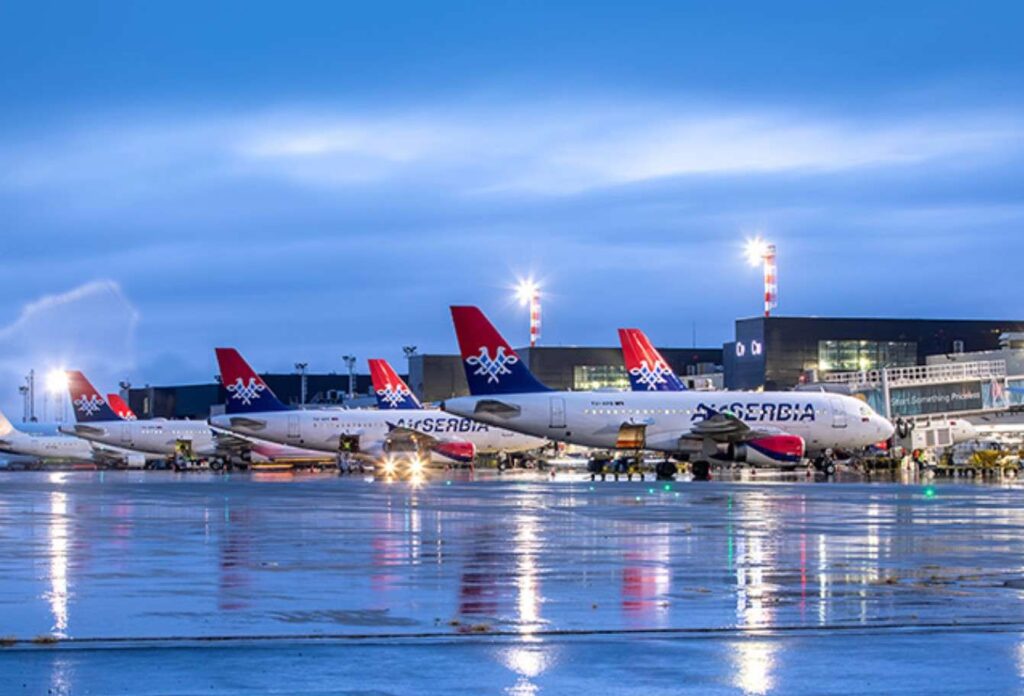
Belgrade’s flagship carrier, Air Serbia, deepens its strategic partnership with Latvian airline airBaltic through a two-year wet lease deal that sees airBaltic operating modern Airbus A220-300 aircraft on Air Serbia’s behalf. Effective from November 1, 2025, the leasing program initially deploys two aircraft during the winter season and expands to four planes in summer 2026, enhancing passenger comfort and operational efficiency. This commitment complements Air Serbia’s ongoing fleet modernization and network expansion goals as it strengthens connectivity across European markets.
Modernizing the Fleet with the Airbus A220-300
The A220-300, renowned for its state-of-the-art technology, fuel efficiency, and quieter cabin environment, provides one hundred forty-eight seats optimized for regional and short-haul flights. This aircraft type introduces a significant upgrade in passenger experience for Air Serbia customers, offering improved comfort, increased reliability, and a sustainable alternative to older aircraft in the fleet. Air Serbia positions the A220 as a blueprint for future aircraft acquisitions, emphasizing this model’s integration as a cornerstone of its long-term growth and modernization strategy.
Enhancing Services and Network Capacity
The wet lease agreement with airBaltic not only boosts operational flexibility during peak seasons but also expands flight capacity on key European routes served by Air Serbia. Initially, two leased A220s will operate in the upcoming winter schedule, rising to four throughout summer 2026 when passenger demand peaks. This arrangement supports Air Serbia’s ambitions to increase frequencies and improve service quality without the capital expenditure burdens of direct fleet expansion.
The partnership also builds upon the existing codeshare framework between Air Serbia and airBaltic, providing passengers with seamless connectivity and smoother travel experiences across a wider European network. By sharing resources and expertise, the alliance expects to optimize fleet performance and enhance reliability across mutually served destinations.
Strategic Benefits of the ACMI Wet Lease Model
The Aircraft, Crew, Maintenance, and Insurance (ACMI) wet lease model adopted here allows Air Serbia to focus on commercial growth, marketing, and customer care while leveraging airBaltic’s operational capabilities. This model demonstrates a growing industry trend whereby airlines extend capacity and reduce operational risks by partnering with established carriers specializing in specific aircraft types. Icelandair is among the other airlines also adopting similar approaches to optimize network and fleet usage in response to fluctuating market demands post-pandemic.
Impact on Regional Connectivity and Tourism
Air Serbia’s enhanced fleet capabilities through airBaltic’s A220s signify strengthened regional air links within the Balkans and broader European travel corridors. The airline serves as a critical connector between Serbia and key centers across Northern and Western Europe, facilitating business travel, tourism, and cultural exchange. The addition of efficient A220 operations is well-positioned to support passenger growth and competitive positioning in the crowded European aviation market.
Leaders highlight that modern, fuel-efficient fleets contribute positively to environmental goals while improving on-time performance, thus fostering confidence among travelers and reinforcing Air Serbia’s role in regional tourism promotion and economic development.
Looking Ahead: A Model for Sustainable Growth
With this wet lease expansion, Air Serbia signals its commitment to sustainability, operational excellence, and passenger-centric service as core pillars of its future. The A220’s advanced fuel efficiency aligns with global aviation industry initiatives to reduce greenhouse gas emissions and noise pollution.
Furthermore, the deepening collaboration with airBaltic points towards potential future joint ventures or fleet integrations, leveraging complementary strengths in navigating evolving market conditions and regulatory environments. As Air Serbia continues its post-pandemic recovery journey, this enhanced partnership offers a blueprint for agility and innovation across Europe’s competitive airline landscape.
Image Credit: Air SERBIA
