
![[Article] Zaha Hadid's "unbuildable" designs were a case study in how a clear vision can force technology to accelerate. I wrote a study on her process.](https://www.byteseu.com/wp-content/uploads/2025/10/zVY20ykYBI4gUCsVSfL79K_eLF-FCZ3_kJnWUnfDCL4-1024x502.jpeg "[Article] Zaha Hadid’s “unbuildable” designs were a case study in how a clear vision can force technology to accelerate. I wrote a study on her process.")
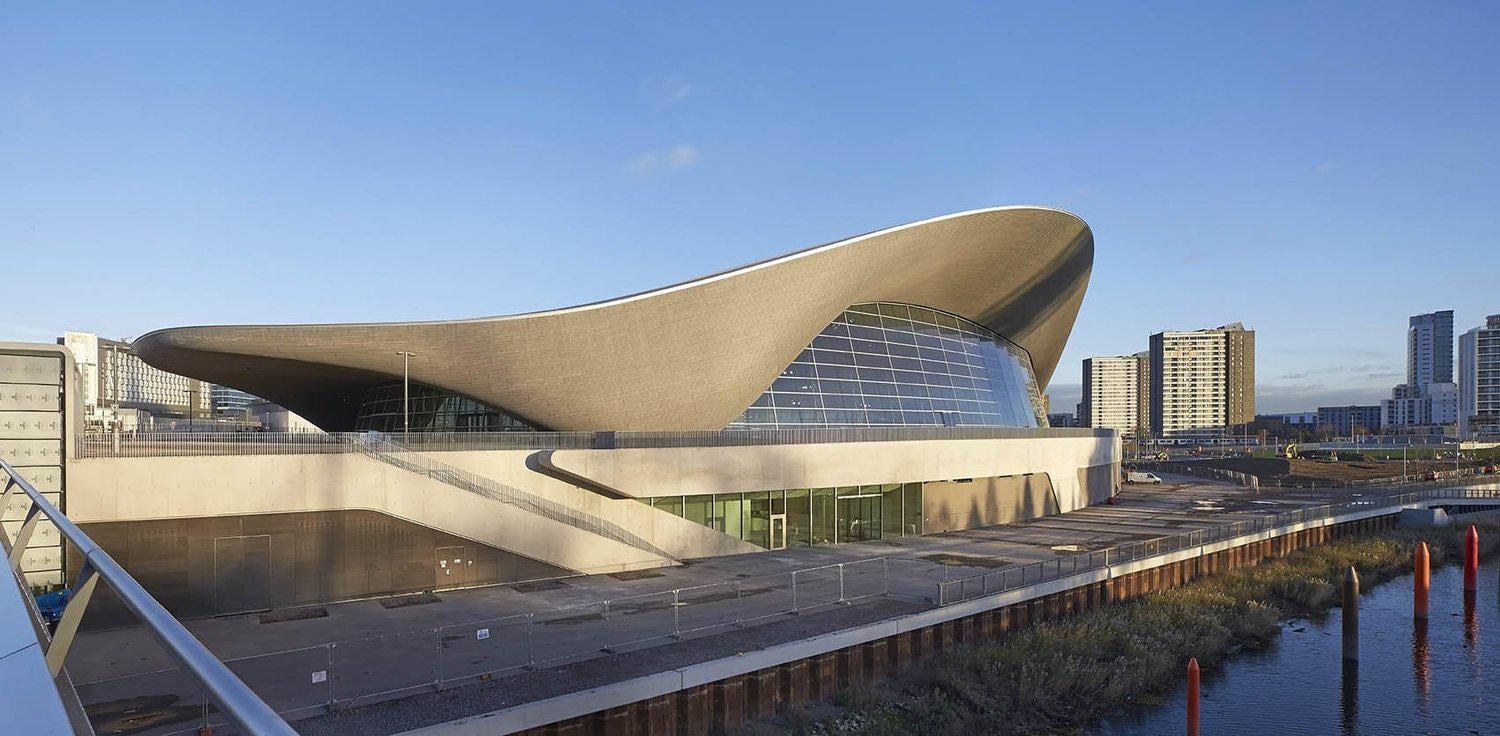
Hey everyone,
I write deep-dives on major innovators, and I just finished a study on Zaha Hadid that I thought this community would find fascinating. It’s less about architecture and more about the process of how a future vision becomes a present reality.
For decades, Hadid's designs were considered "impossible." Her vision for fluid, organic, non-linear structures was so far ahead of its time that the software and engineering to even model these "complexities of compound curves," let alone build them, simply did not exist. She was a "paper architect."
What's so interesting is that she didn't wait for technology to catch up. She created a "strong reciprocal relationship" between her vision and the tools.
Her audacious designs created a demand for new computational tools. Her firm became a pioneer in digital workflows and fabrication techniques precisely because they had to. Her vision was the catalyst that pushed the development of this new technology.
It's a powerful real-world example of how a singular, unyielding vision of the future can literally pull the present along with it, forcing innovation to happen. She didn't just design buildings; she designed a new process that has shaped our future.
For anyone interested, you can read the full study on her methodology and legacy here:
I'd be curious to hear what r/Futurology thinks of this model of innovation.
[Article] Zaha Hadid's "unbuildable" designs were a case study in how a clear vision can force technology to accelerate. I wrote a study on her process.
byu/ObjectsAffectionColl inFuturology
3 Comments
god those buildings are all so damn ugly its actually unbelievable. anything after brutalism was a mistake
The biggest issue I have with these designs is maintainability. The technology and man power needed to maintain these buildings effectively and efficiently is rarely taken into consideration with these forms. Safdie is also guilty of this. I know that the modern designs take environmental sustainability and efficiency as integral to the design…but what’s the point if these buildings aren’t easily maintained? Building performance will tank over time because it costs too much to maintain.
At some point we need to ask ourselves if the form of these structures trump maintainability. We already can’t keep up with the buildings and infrastructure we have now, why are we making the problem worse for ourselves?
I do not believe this sort of hero narrative about clear vision shaping the future in some profound way is called for.
Insofar as it would ever even be possible within the bounds of physics and logistics, current liberalistic organizational structures simply do not allow for it in most cases. It just so happens that technology caught up with the vision in this instance, and she was positioned to concentrate and utilize the new capability as it was coming online. And, even then, these are expensive and high-maintenance vanity projects for massive organizations and governments. We are not all living in futuristic organic constructions, nor shall we likely ever do so absent full end-to-end automation (which would not exist expressly for that purpose, but be adapted to it eventually if it showed up one day).