
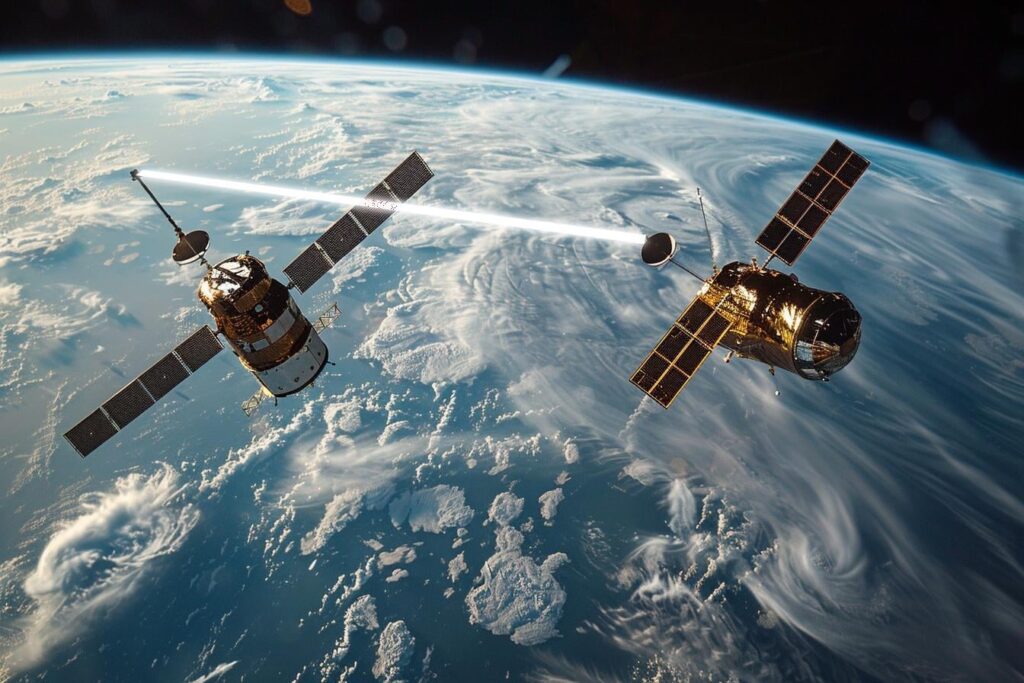
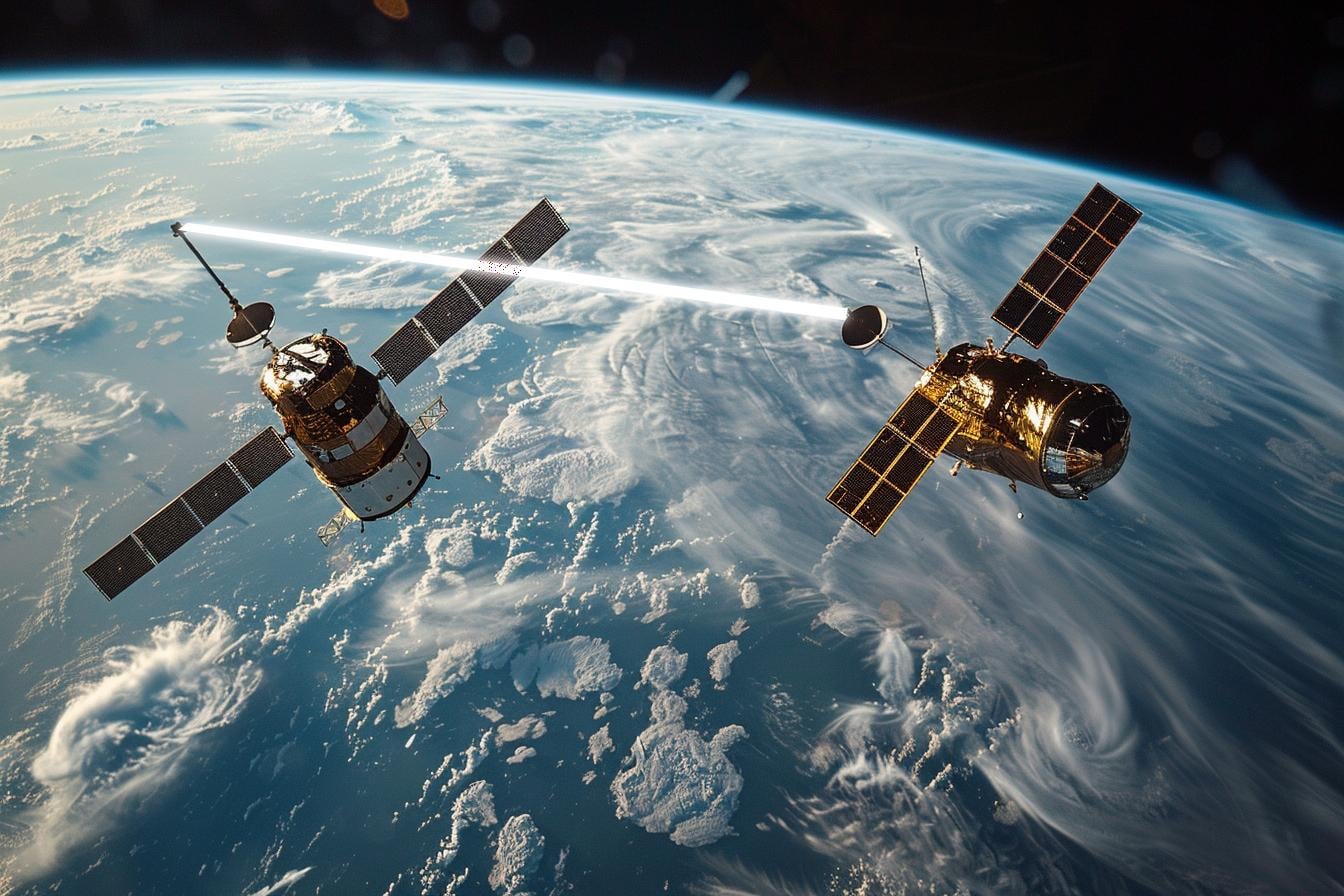
Leonardo accelerates on the path of strategic cooperation in space with Airbus and Thales (christened “Bromine” project) and today an extraordinary board of directors is expected to give the initial green light to the operation. This is not yet the definitive closure, but certainly a first concrete sign towards arriving within the next 18 months at the establishment of a new company designed to challenge the excessive power of Starlink
According to what was reported by Il Sole 24 Ore, the new entity would see Airbus with 35% of the shareholding, while the alliance between Leonardo and Thales – through two joint ventures Telespazio (with Leonardo at 67% and Thales at 33%) and Thales Alenia Space (where Thales holds 67% and Leonardo the remaining 33%) – would hold the remaining 65% with equal weights.
News that travels together with this – from a few days ago – of the opening of the new Thales Alenia factory in Rome, capable of making 100 satellites a year:
Leonardo, Airbus e Thales, intesa da 10 miliardi per l’alternativa UE a Starlink
Posted by nohup_me
5 Comments
Sembrerebbe che la prima fase dell’appecoronamento totale a Musk sia archiviata, adesso attendiamo di scoprire il nome del nuovo valletto di Trump a cui inchinarsi senza se e senza ma.
Lasciate cucinare Leonardo
Leonardo goat compagnia italiana
yawn,
svegliatemi quando qualcuno riesce a fare un lanciatore che possa lanciare almeno 15 tonnellate, una volta a settimana per un costo marginale inferiore a 50 milioni di euro, da suolo europeo.
Finchè parliamo solo dei satelliti, ci stiamo facendo le seghe a 4 mani.
Anche perchè Spacex ha lanciato 100 satelliti in .*…. checks notes…..* questa settimana
Io mi chiedo, non esiste una via più pragmatica, cioè meno cool ma più economica? Penso a quella storia (forse leggenda metropolitana) secondo cui, durante la corsa allo spazio, gli americani ha avessero inventato una penna che scrive in assenza di gravità mentre i russi avessero mandato i propri astronauti con delle matite.
Lanciare satelliti per la connessione a internet ha dei problemi oggettivi. Intanto ti serve un mezzo per lanciarli con relativi costi, i satelliti a quanto pare durano 5 anni e generano detriti che vanno ad impattare sull’ozono se non ricordo male, oltre ad aumetare il numero di detriti nella fascia bassa. Riparazioni complicate e feedback loop lento e una certa fragilità rispetto a soluzioni più tradizionali.
Inoltre qual’è lo scopo? Avere copertura in tutta Europa anche nelle zone più remote dove l’infrastruttura ha un costo eccessivo o non esiste? Avere copertura in tutto il mondo? Competere con Musk?