
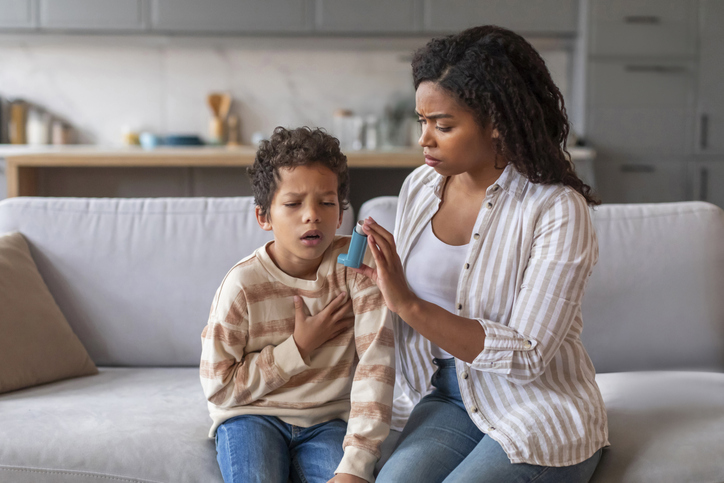
A Canadian study published in the JIMR Research Protocols, looked at how mobile health technology could help predict asthma flare-ups in children and teens before they happen. The Mobile Health for Kids With Asthma (MoKA) study, led by a team of researchers from seven pediatric hospitals across the country, focused on developing a predictive model for asthma exacerbations using real-time data collected through a smartphone app called RespiSentinel.
The study plans to follow around 2,000 children from the ages of 1 to 17 who have had at least one asthma episode or wheezing incident in the past year. Over a six-month period, families will use the RespiSentinel app to report asthma symptoms, medication use, and general health status. This information will be combined with publicly available data on air pollution and respiratory virus circulation to help researchers identify patterns that may signal an upcoming asthma attack.
A unique feature of the study is its use of nighttime audio recordings to track how often children cough while they sleep—a symptom that’s often linked to poor asthma control. Researchers hope to determine whether this kind of real-time monitoring can be an early warning sign for severe asthma episodes.