
Published on
October 22, 2025

Croatia is becoming one of the best countries for sustainable tourism and environmental conservation. Croatia is focusing on the adapted development strategy for 2030, and to tackle the issue of the country’s tourism having negative consequences, appointed tourism as one of the primary focal points for future developments of the country. Profitable tourism and tourism for tourism’s sake are no longer for just a summer season, and are emphasized for long-term growth, that is a revenue for the country.
The challenges of seasonal tourism and ‘apartmentisation’ are now recognized, and due to the country’s efforts have positioned itself as one of the leaders in sustainable tourism. Efforts that would lengthen the tourist season, Croatia’s economy currently relies on the summer season, and attempts to diminish the tourism’s ecological impact, are very urgent.
Sustainable Growth Amidst Challenges
Despite the steady rise in tourism, Croatia is tackling several obstacles to achieving a sustainable future. In September 2025, the country reported a 5% increase in tourist arrivals, overnight stays, and total traffic compared to the same period last year. This positive growth is a clear indication of Croatia’s ongoing efforts to spread tourism activity across more months than just the summer peak.
However, industry experts continue to warn that the overdevelopment of accommodation, particularly apartments, poses a threat to sustainable tourism growth. The rise in prices, particularly in accommodation and services, also remains a concern, making it more difficult for Croatia to offer competitive pricing year-round.
To counter these challenges, experts have called for a focus on developing direct air routes and diversifying the tourism offer to ensure that visitors are attracted to Croatia even outside of the traditional high season.
The Role of Croatia’s Nautical Sector
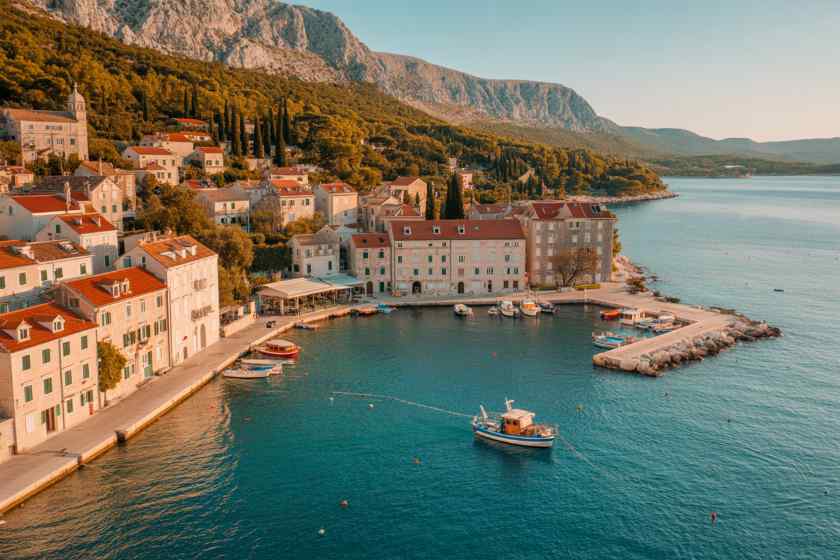
One of Croatia’s unique assets is its world-renowned nautical sector, which continues to deliver exceptional results throughout the year. Croatia’s strong presence in the global charter fleet market is a key driver of this success, with approximately 40% of the world’s charter fleet based in the country. The government has placed emphasis on preserving Croatia’s sea and coastline, with companies like ACI (Adriatic Croatia International Club) playing a critical role in the ongoing development of the country’s marinas.
As the tourism sector expands, ACI CEO Kristijan Pavić stresses the need to balance economic growth with environmental stewardship. Croatia’s marinas have long been a significant draw for tourists, and with this comes a responsibility to care for the natural environment that attracts millions to the country each year.
Artificial Intelligence as a Tool for Enhancing Visitor Experience
Artificial intelligence (AI) is playing a growing role in Croatia’s tourism development, particularly in terms of customer experience. Tourism entities are increasingly implementing AI technologies such as automated registrations and AI-powered customer service to streamline guest experiences. Personalized recommendations for local experiences and quicker response times are improving service delivery, making the tourist experience smoother and more accessible.
As part of its strategy to enhance visitor experiences, the Croatian government is encouraging the use of AI tools that help visitors make more informed decisions about the local offerings, from cultural experiences to outdoor activities, ensuring that their stays are as tailored and enjoyable as possible.
Sustainability at the Core of Tourism Policy
Croatia’s future tourism policies will focus heavily on enhancing sustainability, maintaining price competitiveness, and addressing the issue of seasonality. Minister of Tourism, Tonči Glavina, has emphasized that each destination within Croatia must define its unique identity and determine the types of visitors it wishes to attract. The country aims to further integrate sustainable practices across all levels of the tourism industry to secure long-term growth.
In line with the broader European Union’s goals for sustainable tourism, Croatia is also investing in green initiatives, promoting eco-friendly accommodations, and encouraging sustainable practices in all areas of the hospitality industry. The Croatian government remains committed to balancing growth with environmental preservation, making sustainable tourism a priority in all future development plans.
As Croatia continues its journey towards sustainable tourism, the country’s approach will rely on innovative solutions, a focus on green technologies, and a broader effort to extend the tourism season. The success of this strategy will not only benefit the environment but will also serve as a model for other European nations aiming to create a more sustainable tourism framework.
Conclusion
Croatia has shown continuous investment to be on the frontiers of green tourism in Europe. The country’s devotion to sustainable evolution as well as to extending the tourist season beyond summer patio serves as a safety net to the tourism industry.
AI as well as sustainable development have been coupled together by Croatia to show the rest of the Mediterranean region the benchmark performance that has been set in sustainable tourism. Through the integration of Artificial Intelligence and sustainable development, Croatia has shown to the rest of the European countries active investment towards the positive ecosystem balance.
