
Published on
October 23, 2025

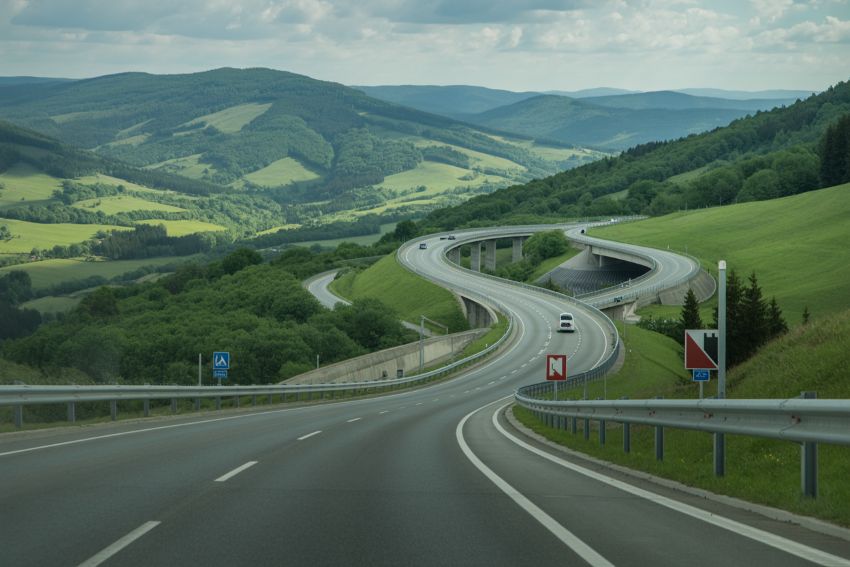
A modern infrastructure marvel, the new 8.5-kilometer expressway of Poland through the Beskid Mountains is a game-changer for tourists travelling to Southern Europe. Located in Poland’s picturesque south, this recently opened motorway has been praised as one of the nation’s most picturesque routes. It provides travellers with a much-needed alternative to the formerly clogged road networks thanks to its intricate construction, which includes tunnels, bridges, and viaducts. Furthermore, it is anticipated that this new route will improve connectivity between the Aegean and Baltic Seas, thereby increasing regional trade and tourism.
A Technological Masterpiece in the Heart of the Beskid Mountains
The expressway, which took several years to complete, has been described as a “technological masterpiece”. Its construction was not without its challenges, as it had to traverse the rugged terrain of the Beskid Mountains. Despite the difficulties, engineers and workers managed to create a roadway that is not only functional but also visually spectacular. The route is designed to divert heavy traffic and freight trucks from the nearby towns of Węgierska Górka and Milówka, ensuring smoother passage for both locals and tourists.
The expressway has been constructed to allow for dual and single carriageways, with 4.7 kilometres of the route dedicated to dual carriageways, while the remaining 3.8 kilometres feature a single carriageway. It connects the villages of Węgierska Górka and Milówka, significantly reducing travel time while providing breathtaking views of the surrounding mountains. It offers a safer and more efficient alternative for motorists travelling through this mountainous region.
Environmental Considerations and the Strategic Importance of the Expressway
One of the key benefits of this new expressway is its ability to alleviate traffic congestion in nearby towns, which had been severely affected by heavy trucks travelling through narrow and winding mountain roads. The newly built route bypasses these towns, giving travellers and local residents a much-needed break from the noise and pollution associated with such traffic. The expressway also features a range of environmental considerations, including tunnels and viaducts, that help minimise its impact on the natural surroundings.
Strategically, the expressway is of great significance. It forms an essential part of an international transport corridor that connects Poland to Southern Europe. This new corridor links the Baltic Sea to the Aegean Sea, facilitating easier access to the Mediterranean region. This has the potential to significantly improve Poland’s position as a central hub for trade and tourism in Europe, particularly for travellers seeking a more efficient route to Southern Europe.
The Economic Impact of the Expressway on Tourism and Trade
The opening of the expressway is expected to have a substantial economic impact on both tourism and trade. For tourists, the road offers a faster and more comfortable route through the Beskid Mountains, making travel to the region more accessible. This will likely result in an increase in the number of visitors to the area, with its dramatic landscapes and natural beauty being a major draw for travellers. Additionally, the improved road network will make it easier for tourists to visit other parts of Poland and nearby countries such as Slovakia, further enhancing the region’s appeal.
From a trade perspective, the expressway’s connection to the international transport corridor is invaluable. It will reduce the travel time for goods moving between the Baltic and Aegean Seas, making Poland a key player in regional trade. As this corridor improves, more goods will flow through Poland, benefiting the local economy and opening up new opportunities for businesses and industries in the region.
Enhancing Safety and Accessibility for Travelers
One of the most critical advantages of the new expressway is the improved safety it provides. The road is equipped with modern features such as tunnels and viaducts, which were necessary due to the mountainous terrain. These features ensure that the road can withstand the unique challenges of the region while offering a much safer experience for travellers compared to the older roadways.
For drivers, the route offers a smoother and more enjoyable journey, with sweeping mountain views that enhance the driving experience. The expressway also features modern safety mechanisms, such as well-designed exits, clear signage, and reinforced infrastructure, which will help minimise accidents and improve overall traffic flow.
The Future of Poland’s Road Network and Tourism
The completion of this expressway is part of Poland’s ongoing efforts to modernise its road network and improve transportation infrastructure across the country. This is particularly important in regions such as the Beskid Mountains, which had long been underserved by modern transportation routes. The government’s commitment to improving road infrastructure will likely continue, as more projects like this are planned to further boost Poland’s connectivity and appeal as a tourist destination.
For tourists, this new expressway opens up new opportunities for exploration. The Beskid Mountains, already known for their natural beauty, are now more accessible than ever. Visitors can explore Poland’s rural charm and mountainous landscapes while enjoying the comforts of modern infrastructure. The road also enhances Poland’s position within the broader European tourism landscape, making it a more attractive option for travellers from around the world.
A Scenic Gateway to Southern Europe
In addition to providing a quicker and safer route, Poland’s new 8.5-kilometre expressway that passes through the Beskid Mountains offers drivers an amazing driving experience with expansive mountain views. It is a crucial component of Poland’s infrastructure due to its strategic significance as a part of an international transportation corridor and its potential to increase trade and tourism. Projects like this will help Poland become a popular travel destination for tourists looking for both modern conveniences and natural beauty as the nation continues to modernise its road network.
