
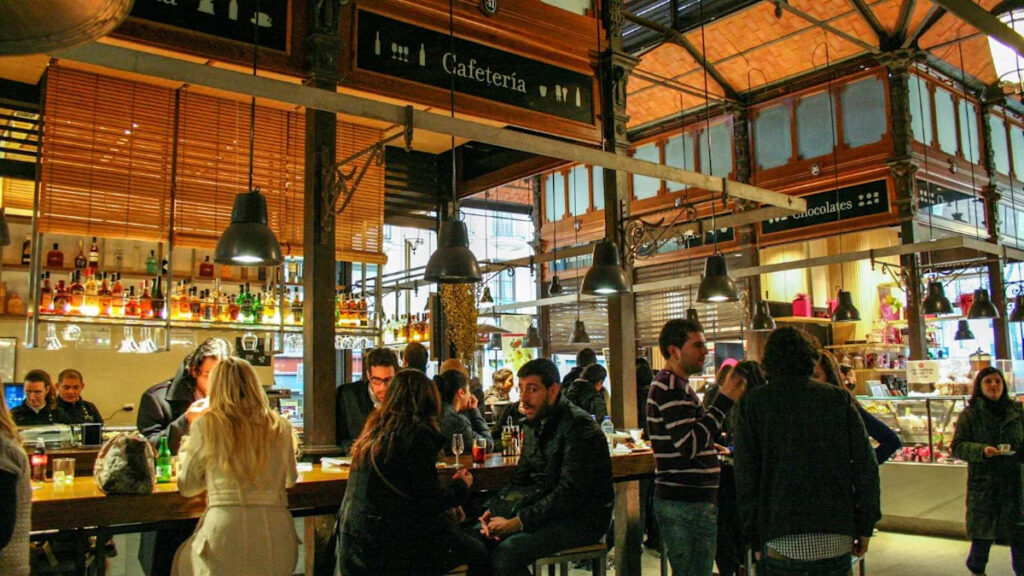
Europe’s food markets are the beating hearts of its culinary traditions, vibrant, sensory worlds where the scent of herbs mingles with the sound of chatter and clinking wine glasses. They are more than places to shop; they are places to live, to taste, and to connect.
From the rolling hills of Tuscany to the cobblestone alleys of Paris, from seaside stalls in Barcelona to bustling halls in Berlin, each market tells a story about the people who grow, make, and love food. Here, authenticity isn’t an aesthetic, it’s a way of life.
Whether you wander through an ancient covered bazaar or an open-air square filled with farmers and artisans, you’ll find the essence of local culture in every basket of produce and every wheel of cheese. These markets celebrate freshness, creativity, and connection, the very soul of European dining. So grab a basket and an appetite, and explore the 16 food markets across Italy, France, Spain, and Germany that capture the continent’s true flavor.
Mercato di San Lorenzo, Florence, Italy
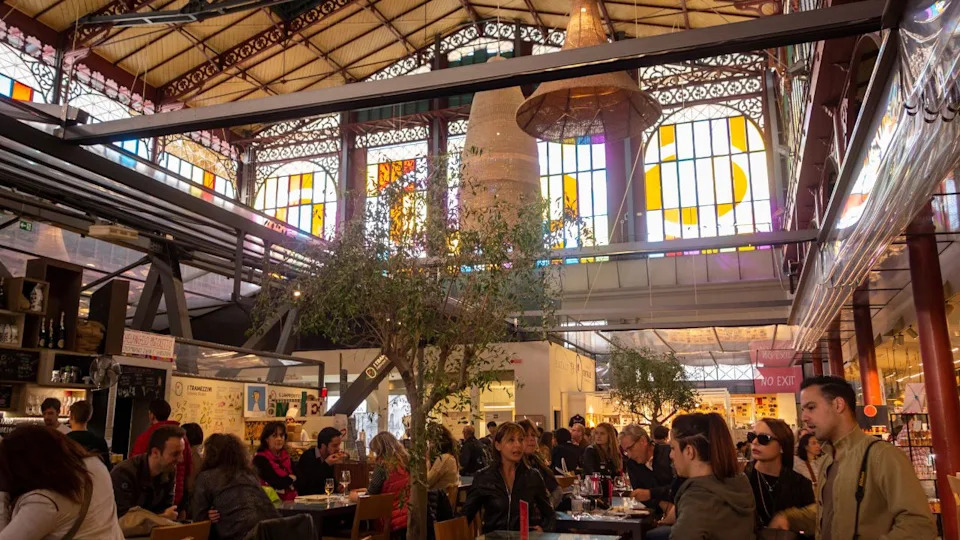
Image Credit: Archphotos / Shutterstock.
Florence’s Mercato di San Lorenzo is a feast for the senses, where Tuscan aromas fill the air from dawn till dusk. Locals and travelers alike wander among stalls piled high with sun-dried tomatoes, pecorino cheese, and fresh pasta. But it’s not just about food, it’s about passion, heritage, and a deep respect for craftsmanship. The indoor market buzzes with energy, from butchers carving bistecca alla fiorentina to vendors pouring olive oil like liquid gold. The atmosphere feels both timeless and alive.
Upstairs, you’ll find the Mercato Centrale, a modern food hall that fuses tradition with innovation. Here, young chefs reinterpret old recipes while preserving their soul. Grab a glass of Chianti and a slice of truffle focaccia as jazz plays softly in the background. It’s a place where Florentine pride meets global curiosity. Every bite tells a story of Tuscany’s rich culinary heart.
Campo de’ Fiori Market, Rome, Italy
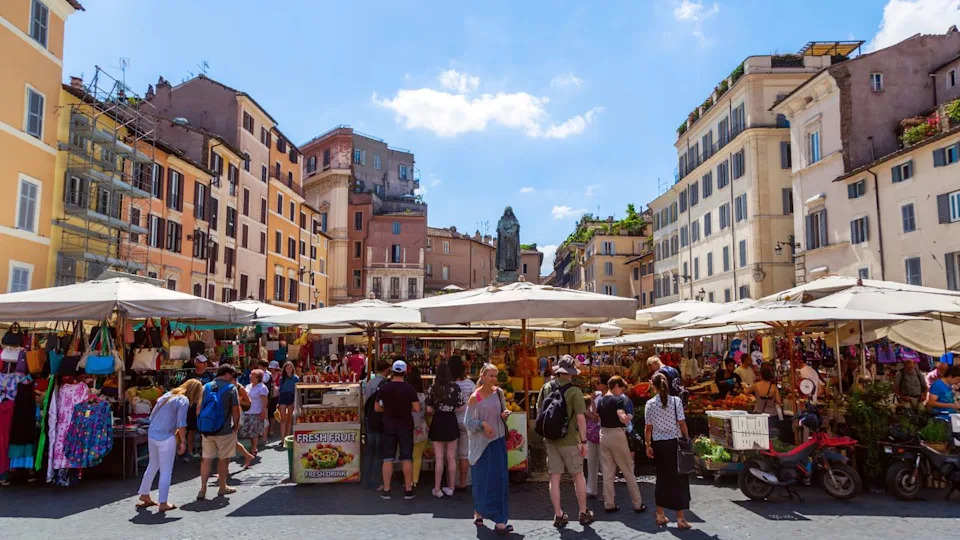
Image Credit: Christian Mueller / Shutterstock.
Set in one of Rome’s most famous squares, Campo de’ Fiori is a symphony of colors and voices. Early morning brings farmers unloading crates of artichokes, tomatoes, and fragrant herbs. The market has been a gathering place since the 19th century, and its spirit remains beautifully unspoiled. The cobblestones glisten with olive oil and laughter, and every stall bursts with freshness. The scent of espresso mixes with basil and bread, creating a scent that defines Rome itself.
As the day unfolds, the square transforms into a social hub where locals shop and chat over baskets of produce. Visitors sample ripe figs, buffalo mozzarella, and slices of prosciutto straight from the knife. The backdrop of historic buildings and statues gives every purchase a sense of history. It’s not just a market, it’s a ritual of daily life. Campo de’ Fiori captures the eternal soul of Rome, deliciously and effortlessly.
Mercato di Rialto, Venice, Italy
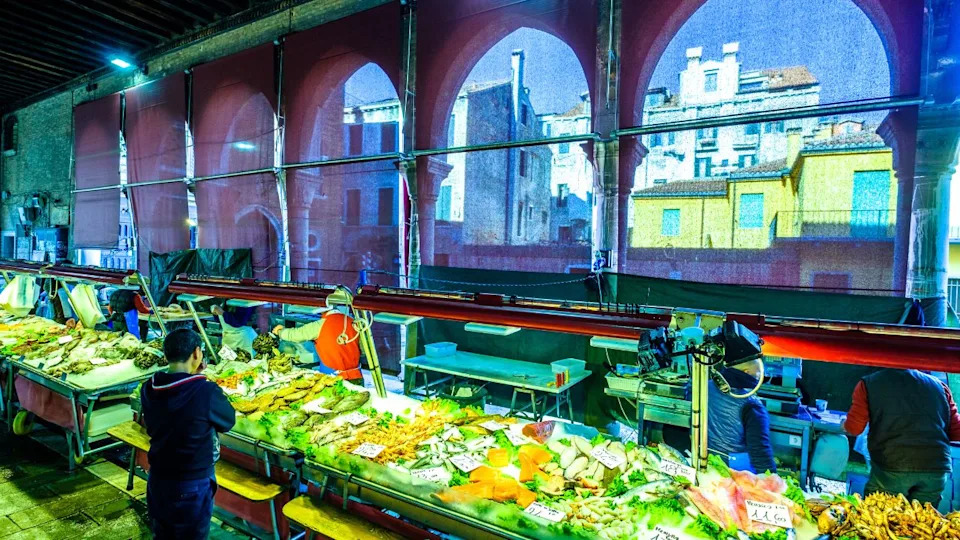
Image Credit: FooTToo / Shutterstock.
The Rialto Market sits by the Grand Canal, offering a view as exquisite as its flavors. For centuries, Venetians have come here at sunrise to buy seafood fresh from the lagoon. The air is filled with the calls of fishmongers and the soft splash of gondolas nearby. Crabs, sardines, and squid glisten on ice, each more vivid than the last. Nearby, fruit stalls add color and sweetness to the salty air.
Walking through the market feels like moving through a painting, vibrant, chaotic, and full of character. Locals haggle gently, tourists snap photos, and chefs pick their daily catch with precision. The Rialto bridges Venice’s past and present, where tradition flows as naturally as the tide. Grab a paper cone of fried calamari and watch the boats drift by. It’s the taste of Venice in its purest, most poetic form.
Marché des Enfants Rouges, Paris, France
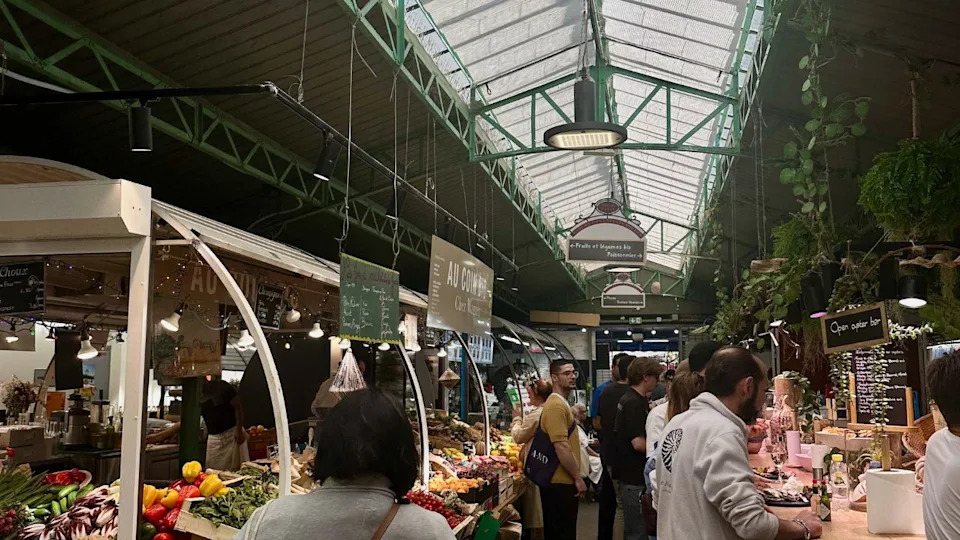
Image Credit Carolyne Parent / Shutterstock.
Paris’s oldest covered market, Marché des Enfants Rouges, is a hidden gem in the Marais district. Established in the 1600s, it’s a melting pot of flavors from France and beyond. The narrow aisles overflow with cheeses, charcuterie, and fresh baguettes, but also Moroccan tagines and Japanese bento boxes. The energy is cosmopolitan yet distinctly Parisian. Every corner hums with conversation and clinking glasses of wine.
Locals come here to shop, linger, and savor long lunches. The market’s charm lies in its authenticity, no pretense, just great food shared in good company. Sit at a wooden table with a plate of roasted duck and a crisp salad, and you’ll understand why Parisians never rush a meal. The air smells of butter, coffee, and community. This market proves that Paris’s heart still beats through its food.
Marché d’Aligre, Paris, France
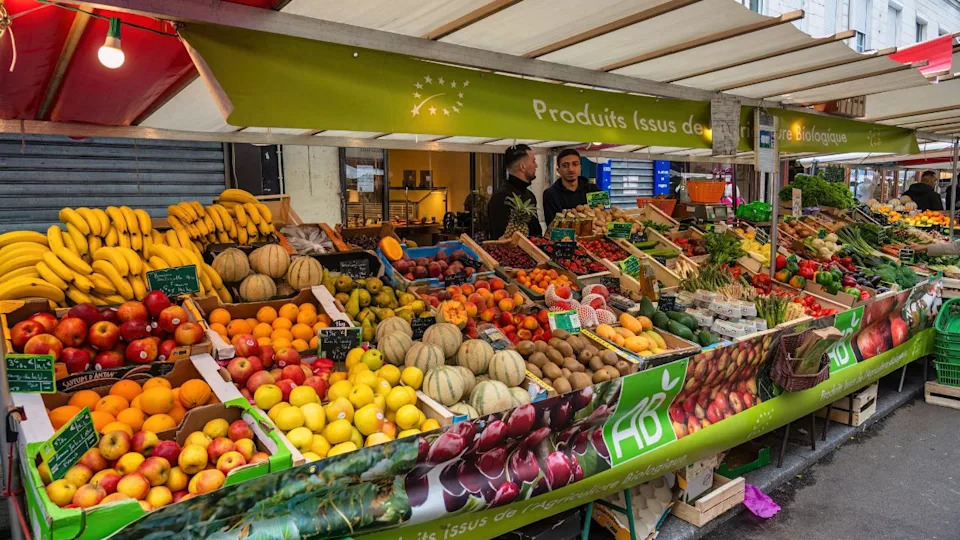
Image Credit: Noppasin Wongchum / Shutterstock.
Marché d’Aligre is where the real Paris comes alive, bustling, boisterous, and full of personality. Vendors shout friendly greetings as they arrange mountains of fruit and vegetables. The indoor hall offers butchers, cheesemongers, and wine merchants who’ve served the neighborhood for generations. Outside, the flea market adds a touch of chaos and charm. It’s a daily festival of flavor and character.
The market reflects the diversity of Paris itself, North African spices, Provençal olives, and fresh oysters all share space here. It’s affordable, vibrant, and welcoming to all. Grab a coffee from a nearby café and watch locals haggle over melons and mushrooms. The air hums with life, laughter, and the rhythm of community. Marché d’Aligre is where food, culture, and humanity meet.
La Boqueria, Barcelona, Spain
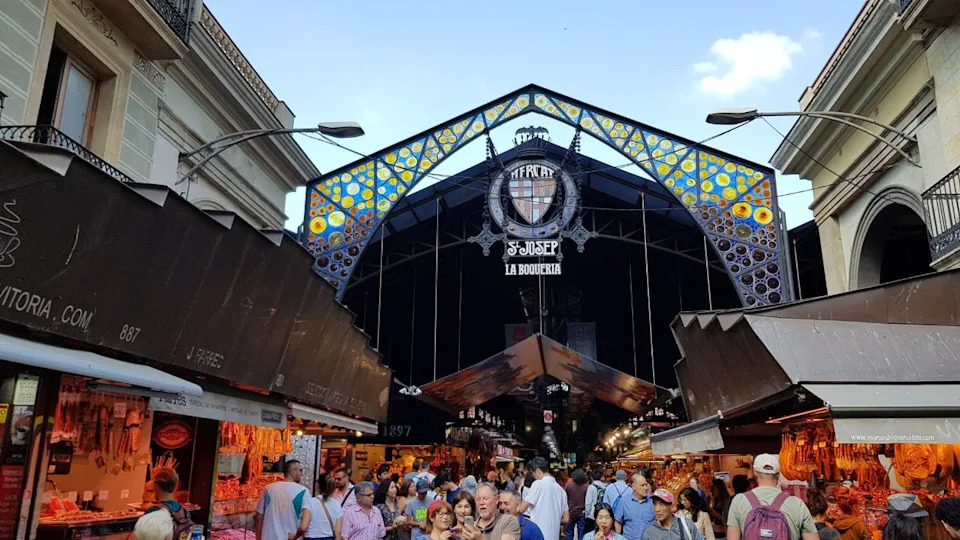
Image Credit:Wirestock Creators / Shutterstock..
La Boqueria is Barcelona’s beating culinary heart, a cathedral of color, sound, and flavor. Its iron arches and mosaic signs welcome millions of visitors each year. Inside, rows of stalls dazzle with fresh seafood, jamón ibérico, and tropical fruit. The air is alive with the smell of citrus and sizzling tapas. Every corner invites a taste, a smile, and a story.
Chefs shop here before sunrise, while travelers sample smoothies and grilled octopus at lunchtime. The market is both chaotic and harmonious, reflecting Barcelona’s vibrant soul. Grab a seat at one of the tiny bars and order a plate of gambas al ajillo. Around you, the buzz of voices and clatter of plates becomes music. La Boqueria isn’t just a market, it’s Barcelona distilled into sound and taste.
Mercado de San Miguel, Madrid, Spain
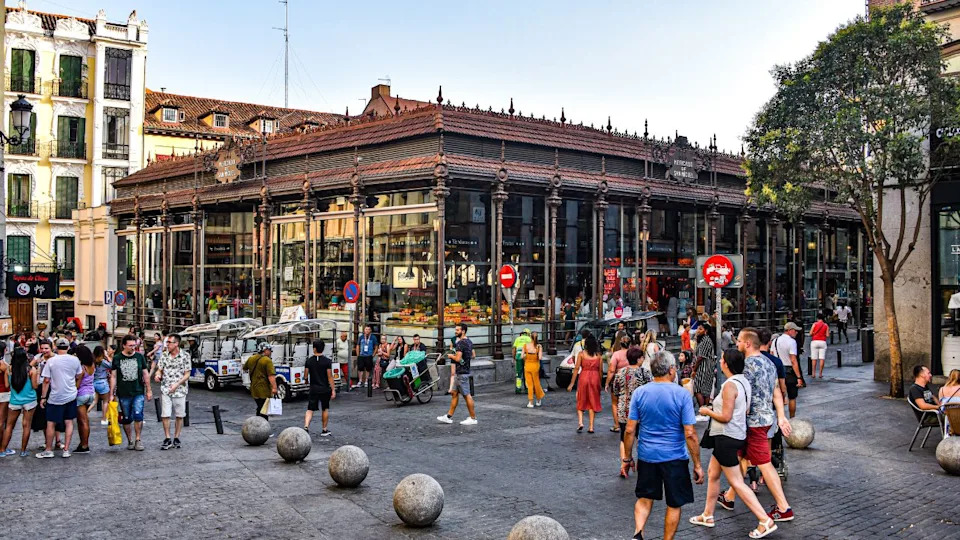
Image Credit:: Mark Green / Shutterstock.
Under its elegant glass roof, Mercado de San Miguel is a celebration of Spanish cuisine in all its glory. Tapas bars line the hall, serving everything from creamy croquetas to oysters on ice. The market glows with warm light and the scent of sherry and saffron. Locals stop for quick bites, tourists linger for hours, and everyone leaves smiling. It’s Madrid’s most delicious meeting point.
What makes San Miguel special is the artistry in every bite. Each vendor specializes in something, whether it’s aged Manchego, anchovies in vinegar, or churros dusted with sugar. The air hums with conversation and music as glasses clink in toasts to life. The market captures the warmth and generosity of Spanish culture. Eating here feels like joining one long, joyful dinner table.
Mercado de la Bretxa, San Sebastián, Spain
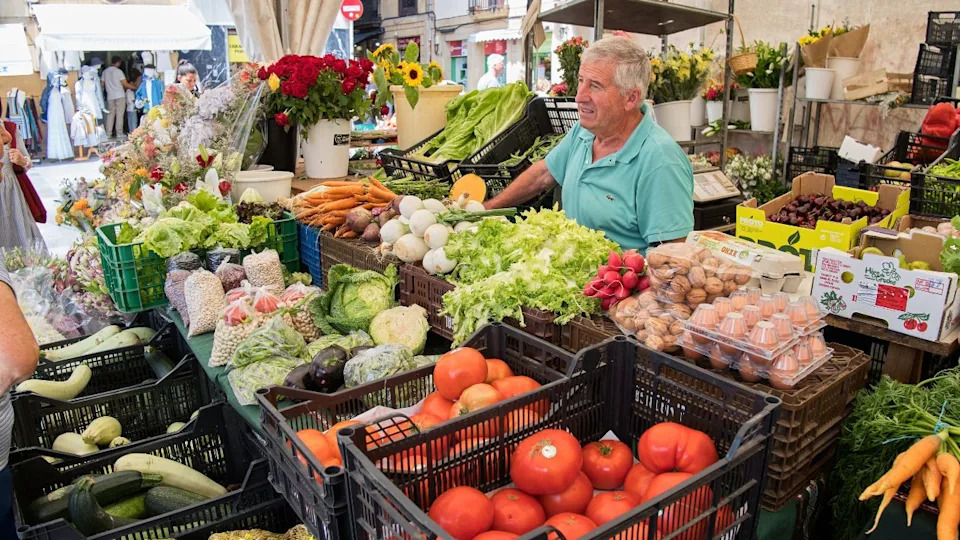
Image Credit: alfernec / Shutterstock.
In the gastronomic capital of Spain, the Mercado de la Bretxa is sacred ground for food lovers. Local chefs from Michelin-starred restaurants shop here daily, selecting produce from nearby farms. The air smells of peppers, seafood, and baked bread. Every stall reflects the Basque devotion to quality and simplicity. It’s where culinary tradition begins, before it ever reaches a plate.
The market’s architecture blends old stone and modern light, symbolizing San Sebastián’s balance of heritage and innovation. Friendly vendors offer samples of cheese and anchovies, proud of their craft. Outside, pintxo bars echo the market’s bounty in miniature. A stroll through Bretxa is a lesson in Basque flavor and pride. It’s food as philosophy, fresh, honest, and joyful.
Mercado Central, Valencia, Spain
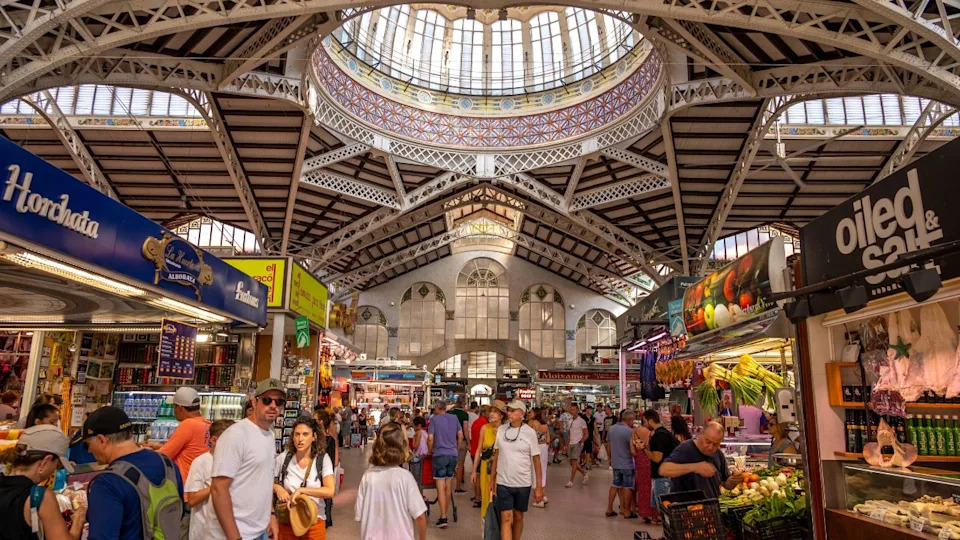
Image Credit: Jeff Whyte / Shutterstock.
Mercado Central is one of Europe’s grandest food halls, a temple of Art Nouveau and abundance. Light pours through stained-glass windows onto pyramids of oranges and seafood displays. The air is thick with the scent of saffron, the soul of Valencia’s famous paella. Locals and chefs mingle as they shop, chat, and taste. The market feels both majestic and warmly familiar.
Every corner reveals another delight, Iberian ham, spices, almonds, and sweet horchata. The architecture alone can lift your mood with its beauty and harmony. Vendors take pride in their heritage, offering samples with a smile. Music from nearby street performers adds rhythm to the scene. Mercado Central is not just a building; it’s Valencia’s spirit made tangible.
Viktualienmarkt, Munich, Germany
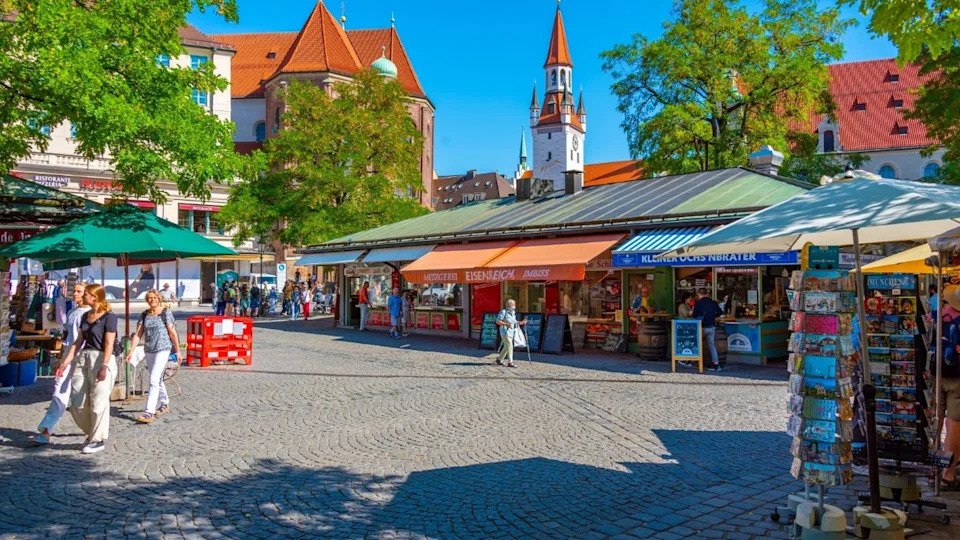
Image Credit: trabantos / Shutterstock.
Viktualienmarkt is Munich’s open-air pantry, a vast square brimming with Bavarian charm. Wooden stalls overflow with sausages, cheeses, honey, and freshly baked pretzels. Locals gather at long tables under chestnut trees to share beer and laughter. The market combines tradition with community, making every visit a celebration. The scent of roasted nuts and grilled meats fills the air.
Here, you’ll find both farmers and fine-food merchants side by side. Seasonal festivals bring flowers, music, and extra color. Tourists blend with locals in easy conversation over plates of Weisswurst and mustard. Every sound, smell, and taste feels comforting and real. Viktualienmarkt captures the gemütlich, the cozy happiness, that defines Munich life.
Markthalle Neun, Berlin, Germany
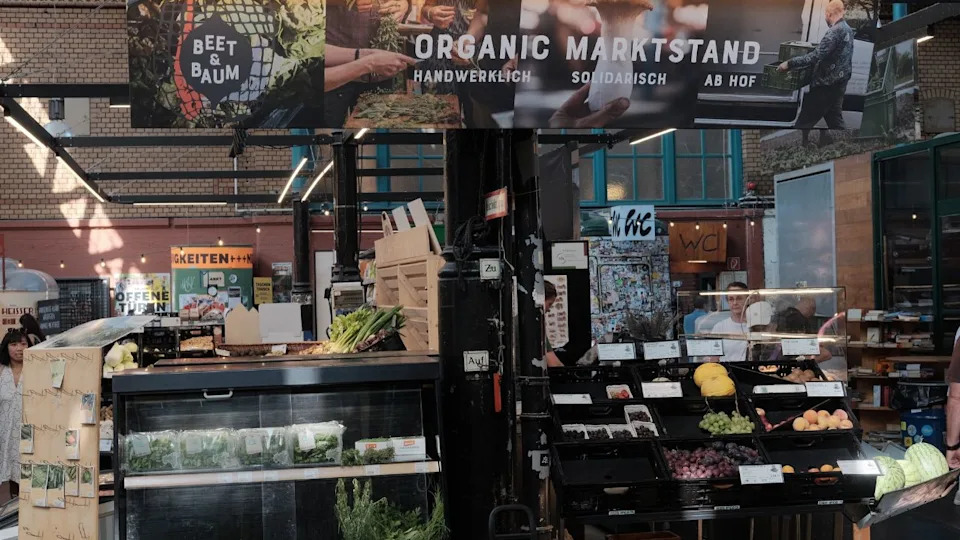
Image Credit: dwdewa / Shutterstock
In Berlin’s Kreuzberg district, Markthalle Neun is the city’s culinary heartbeat. The industrial space hums with creativity, uniting artisans, bakers, and street-food innovators. Every Thursday, its “Street Food Thursday” turns the hall into a global feast, from Korean barbecue to Italian gelato. The air buzzes with languages, laughter, and sizzling pans. It’s where Berlin’s cultural diversity finds flavor.
Beyond food, Markthalle Neun fosters community and sustainability. Workshops, tastings, and pop-ups connect farmers with urban consumers. You can sip organic wine while chatting with a cheesemaker or watch a baker craft sourdough by hand. The vibe is hip but heartfelt. This market proves that tradition and modernity can share the same table.
Naschmarkt, Vienna, Austria (near Germany)
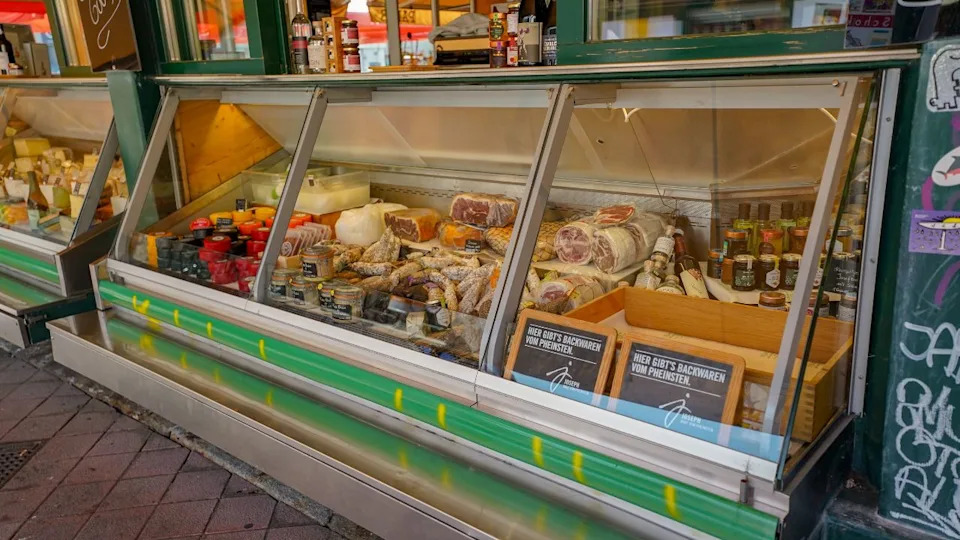
Image Credit: EricBery / Shutterstock.
Though Austrian, Naschmarkt is close enough in spirit and geography to belong here. It stretches nearly a mile, packed with spices, seafood, pastries, and people from every corner of Europe. The colors and scents blend into a sensory symphony, cinnamon, coffee, and curry in the same breath. Locals buy their groceries here, but many simply come to stroll and snack. Every turn offers temptation.
Small restaurants and wine bars spill into the street, serving everything from schnitzel to sushi. The market’s charm lies in its mix of old and new, east and west. Fresh produce stalls sit beside exotic delicacy stands in perfect harmony. You can eat breakfast, lunch, and dinner here without leaving the market. Naschmarkt embodies Vienna’s elegance, curiosity, and appetite.
Mercato di Porta Palazzo, Turin, Italy
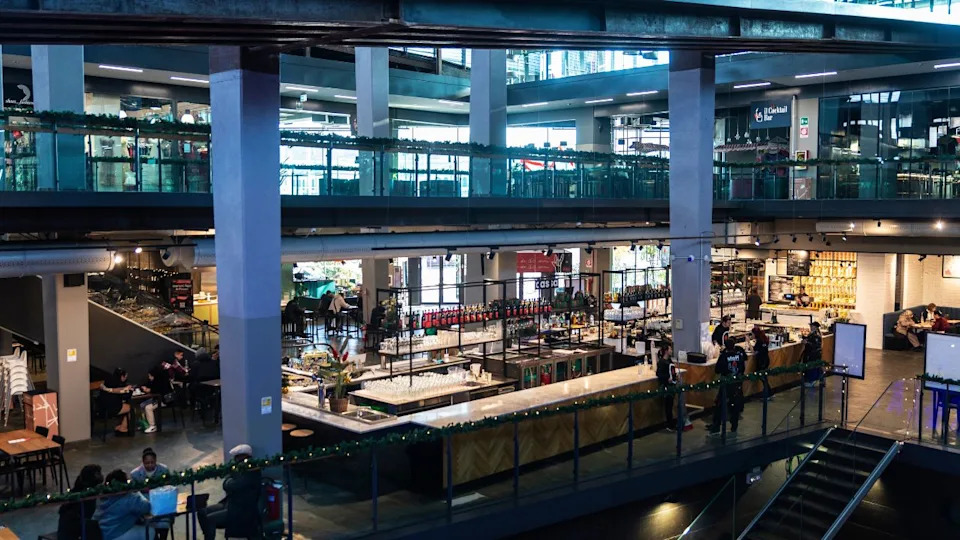
Image Credit: J2R / Shutterstock.
Porta Palazzo is Europe’s largest open-air market, a vast kingdom of flavors beneath the Alps. Its sheer scale is breathtaking, hundreds of stalls filled with produce, cheese, meats, and sweets. The atmosphere is loud, lively, and deeply local. Here, Piedmont’s culinary heritage shines brightest, from white truffles to handmade pasta. It’s a sensory adventure that lasts all day.
Turin’s diverse immigrant community adds global flair to the Italian foundation. You’ll find Moroccan spices next to Italian olive oil, and French pastries beside local cheeses. The result is an authentic reflection of modern Italy, rooted in tradition, open to the world. Bargaining is friendly, smiles are genuine, and tastes are unforgettable. Porta Palazzo captures the generous spirit of northern Italy.
Les Halles de Lyon Paul Bocuse, France
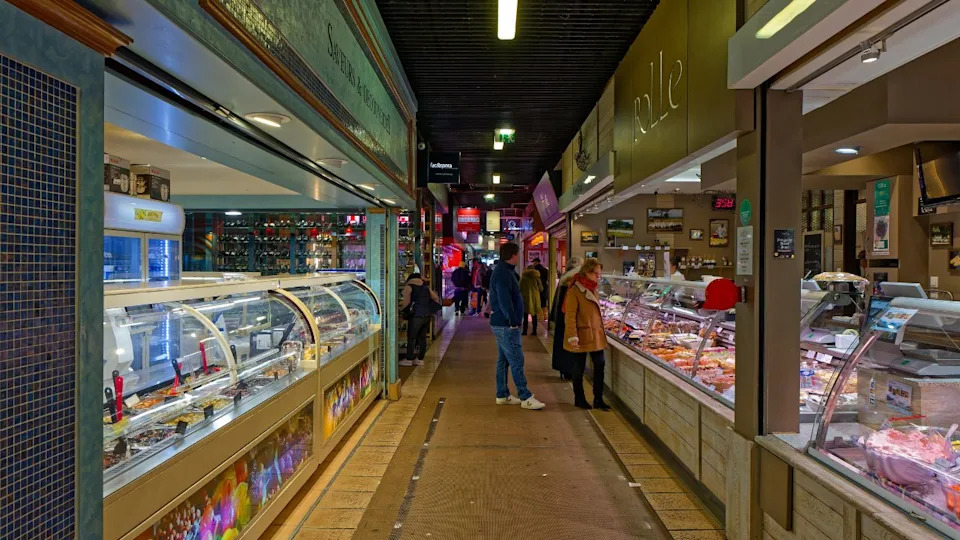
Image Credit: Pierre Jean Durieu / Shutterstock.
Named after France’s legendary chef, Les Halles de Lyon is a temple of gastronomy. Every counter and stall feels curated by masters of their craft. Here you’ll find oysters on ice, foie gras, cheeses aged to perfection, and wines that tell stories. The market’s elegance mirrors Lyon’s reputation as France’s culinary capital. Every bite feels like an homage to perfection.
Chefs shop here alongside locals, creating a hum of sophistication and familiarity. The air is filled with buttery aromas, laughter, and the quiet pride of artisans. Small restaurants inside serve exquisite dishes made from market ingredients. The ambiance is refined but never pretentious. Les Halles is where French cuisine breathes, deeply, deliciously, and daily.
Mercado de Triana, Seville, Spain
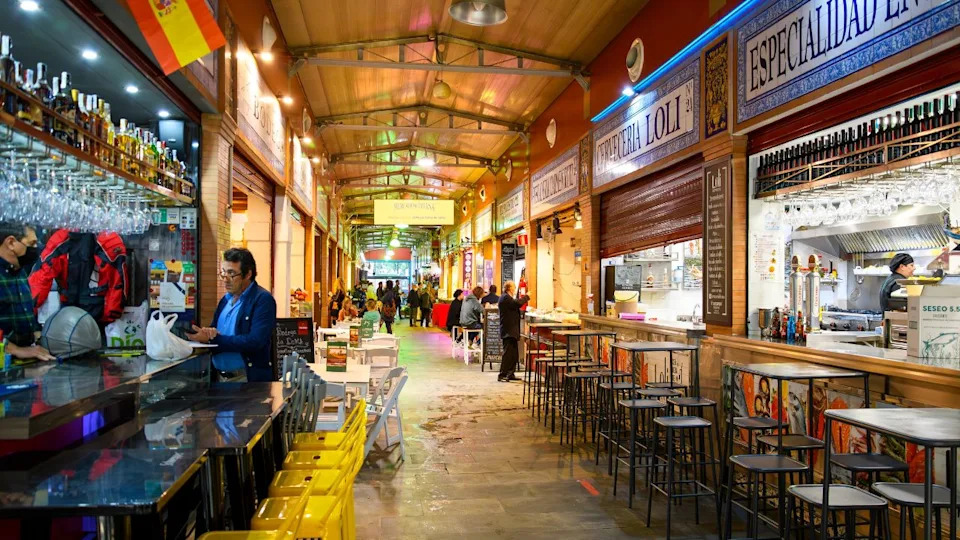
Image Credit: Kirk Fisher / Shutterstock.
Across the river from Seville’s old town, Mercado de Triana bursts with Andalusian soul. It’s a place of color, spice, and song, built on the site of a medieval castle. The stalls overflow with olives, ibérico ham, and oranges that taste like sunshine. Vendors call out cheerfully as locals gather for tapas and conversation. The air is thick with garlic, laughter, and the rhythm of flamenco.
The market also houses small bars serving traditional dishes like salmorejo and grilled sardines. Murals and tiles tell stories of Seville’s vibrant history. Every bite here feels connected to the land and its people. Triana’s market is both a celebration and a community center. It’s Seville’s heart, loud, proud, and irresistibly delicious.
Kleinmarkthalle, Frankfurt, Germany
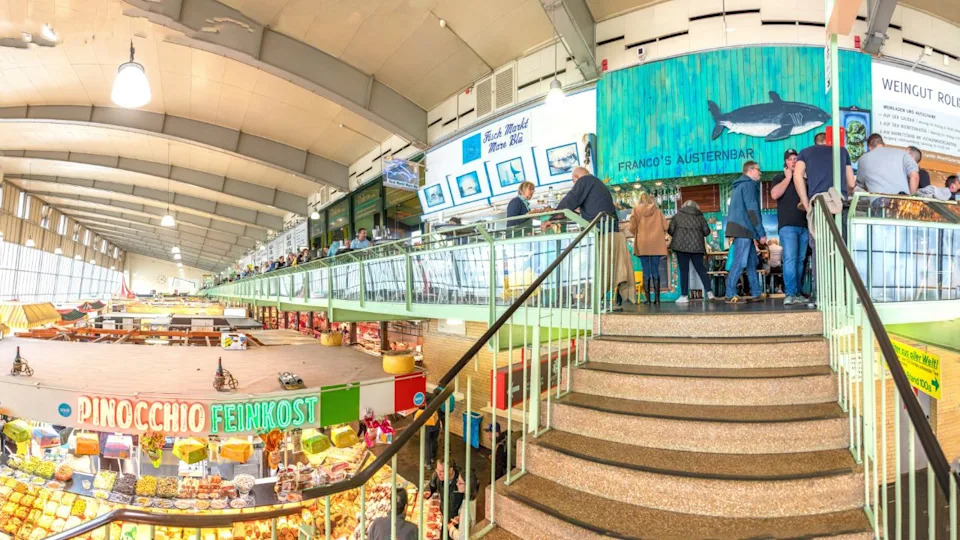
Image Credit:travelview / Shutterstock.
Kleinmarkthalle in Frankfurt is a vibrant maze of aromas, colors, and cultures under one elegant roof. It’s where the city’s pulse beats through its food, from German sausages and freshly baked bread to Mediterranean olives and Turkish sweets. Locals come early in the morning to shop for fresh produce and stay for a glass of Riesling at noon. The market hums with friendly conversation and the clinking of glasses, a daily ritual of connection and taste. Every corner reveals something new, yet deeply rooted in Frankfurt’s identity as a crossroads of Europe.
What makes Kleinmarkthalle special is its fusion of tradition and global flair. Longtime vendors stand beside modern food artisans offering sushi, truffles, and gourmet pastries. The air is filled with the scent of coffee, cheese, and herbs, weaving a sensory tapestry that feels timeless. On weekends, the mezzanine wine bar becomes the city’s unofficial meeting spot. Kleinmarkthalle isn’t just a market, it’s Frankfurt’s kitchen, where old Europe meets the modern world in perfect harmony.