
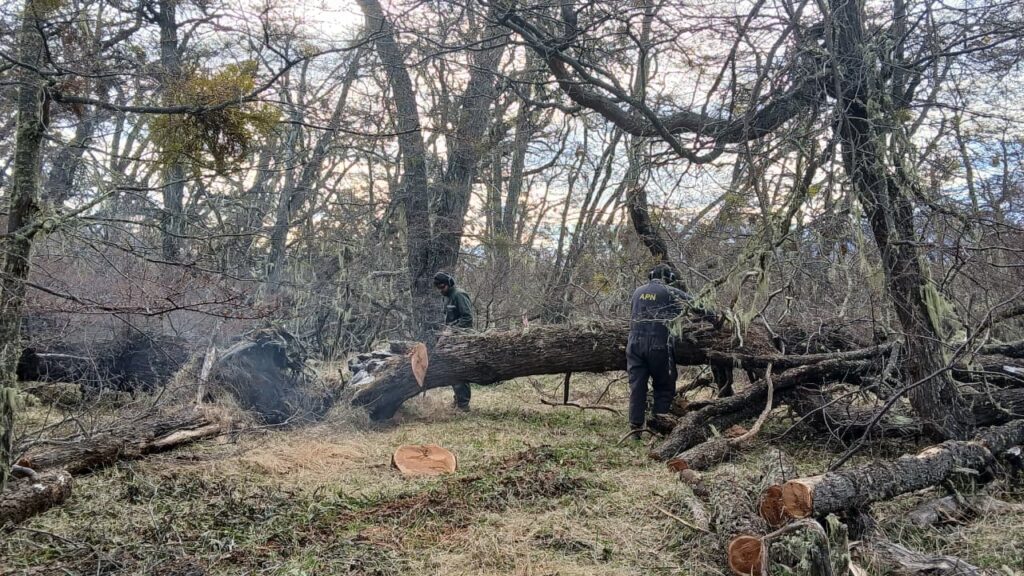
On October 17, the Federal Court of Appeals of Comodoro Rivadavia overturned the injunction that had suspended the adaptation works on the trail to Campamento Poincenot in the Los Glaciares National Park and rejected the environmental protection claim filed by residents of El Chaltén.
The judicial decision supports the actions of the National Parks Administration (APN) and allows the resumption of work in an area considered of maximum ecological conservation.
Judicial Arguments and Community Concerns
Judges Javier Leal de Ibarra and Aldo Suárez argued that the APN acted within its competencies and that the procedure complied with current regulations.
The ruling deemed sufficient the Environmental Report approved in April by the Patagonia Austral Regional Directorate and the Park’s Administration, which classified the work as low risk and low complexity.
The court also dismissed the requirement for public participation, as it was considered a low-impact intervention, and rejected the involvement of the Santa Cruz Environment Secretariat and the Provincial Agrarian Council, understanding that the competencies lie exclusively with the national park administration.
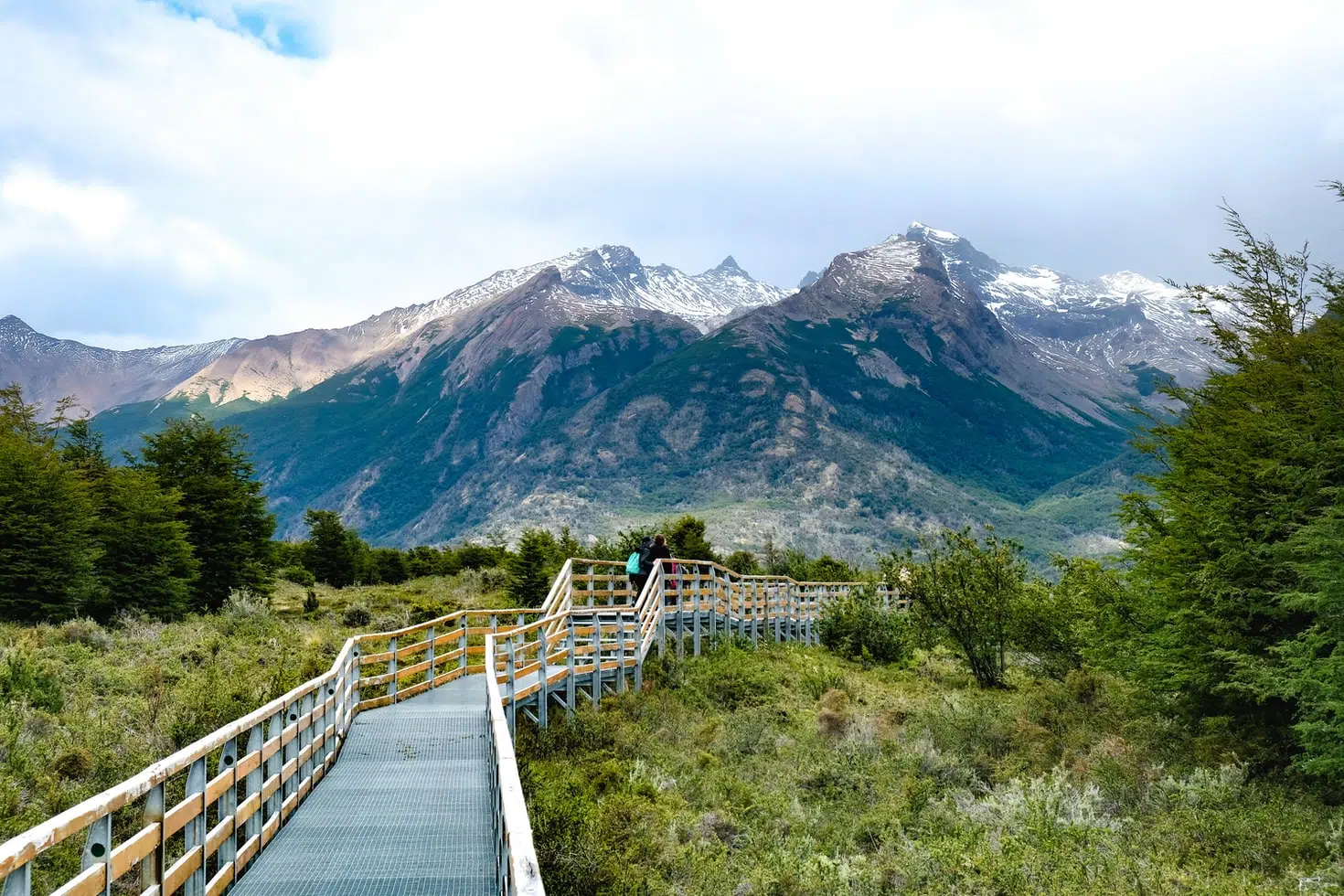 Trails in Los Glaciares National Park.
Civic Reaction: Complaints of Deforestation and Lack of Environmental Assessment
The resolution generated strong opposition in the community of El Chaltén, where local organizations warned that the ruling discourages citizen participation and weakens the right to environmental protection.
In a statement titled “A Painful Setback,” they denounced that the works began in March 2025 with earth movements and native forest logging, without a complete environmental impact assessment.
The groups argue that the project is part of the comprehensive plan for the Río Eléctrico – Laguna de los Tres tourist circuit management, which affects protected areas according to the Law 26.331 on Minimum Standards for Environmental Protection. They also warn about the risk to local biodiversity and the habitat of the huemul, an emblematic species in danger of extinction.
“This ruling legitimizes the environmental non-compliance of the State itself and leaves unprotected those who defend common goods,” stated the group El Bosque no se toca, which announced it will continue the legal battle.
Ecological and Scientific Value of Los Glaciares National Park
This park, declared a World Heritage Site by UNESCO, preserves a representative sample of Patagonian biodiversity, including subantarctic forests, high mountain areas, and iconic glaciers such as Perito Moreno, Upsala, and Spegazzini. It also protects part of the southern Patagonian ice field, one of the largest reserves of fresh water on the planet.
Besides its scenic value, the park is a natural laboratory for studying climate change and a key destination for sustainable tourism, which generates economic benefits and strengthens local culture.
Participation and Conservation: An Open Debate
The case highlights the tension between administrative management, environmental conservation, and citizen participation in protected areas.
In a context of increasing pressure on ecosystems, strengthening control mechanisms, transparency, and public consultation is essential to ensure that tourism development does not compromise ecological balance or community rights.