
Published on
October 24, 2025

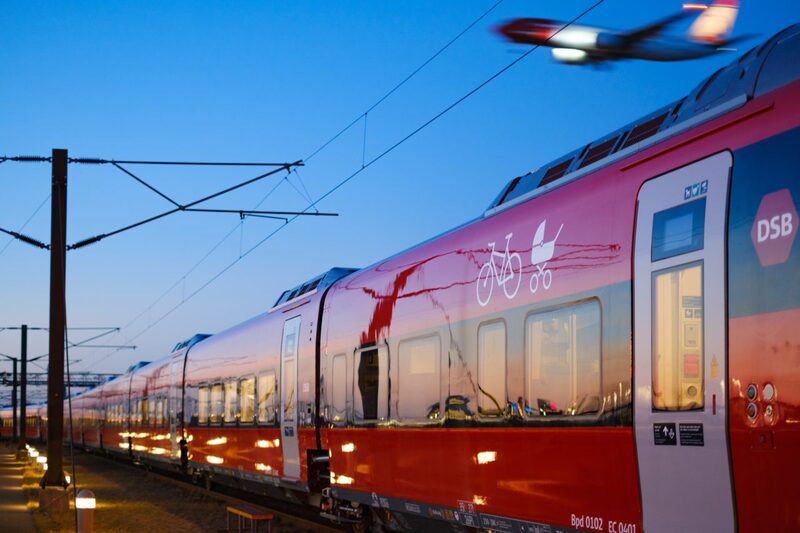
Danish state railway operator DSB has formally accepted the first Talgo 230 trains, marking a major milestone in modernizing international rail travel between Copenhagen, Denmark, and Hamburg, Germany. These units will operate under the EuroCity (EC) brand, offering passengers a high-quality alternative to road and air transport. With this acceptance, the formal delivery of the Talgo 230 fleet, developed entirely by the Spanish manufacturer Talgo, has officially begun. The complete order comprises 16 trains across multiple contracts, consolidating Talgo’s position as a leading European rail manufacturer.
Talgo’s latest delivery demonstrates the company’s technological capabilities and operational reliability. After the recent introduction of ICE L trains in Germany, which were accepted by Deutsche Bahn in September, Talgo is reinforcing its reputation for providing sophisticated, high-speed mobility solutions across some of Europe’s most competitive markets.
Strengthening Cross-Border Rail Connectivity
The Talgo 230 trains not only serve domestic routes in Denmark but also introduce a new international connection between Copenhagen and Hamburg. These trains are a strategic enhancement for DSB, expanding service capacity while promoting greener travel options in line with European sustainability goals. By providing an alternative to more carbon-intensive modes of transport, Talgo 230 trains contribute to reducing environmental impact in international rail corridors.
Talgo’s position as a segment leader in Europe is further solidified by this milestone. The company’s products are fully designed and manufactured in Spain, underscoring the strength of its production capabilities and expertise in high-speed rail. The acceptance of these EuroCity trains complements Talgo’s existing portfolio, which now spans multiple European markets including Germany and Denmark.
High Capacity and Passenger Comfort
The EuroCity Talgo 230 trains are loco-hauled units authorized for a maximum commercial speed of 200 km/h, with a maximum design speed of 230 km/h. They are configured flexibly with 9 to 15 passenger cars, including first and second-class seating and a PRM (Persons with Reduced Mobility) car. Each train can accommodate up to 492 passengers, enhancing DSB’s capacity on international routes.
At each end of the train, longer cars are designed to interface seamlessly with third-party locomotives, with plans to introduce Talgo cab cars to enable push-pull operation. This configuration will allow faster turnaround times at terminal stations, improving operational efficiency and minimizing delays.
Versatile Deployment Across Europe
The Talgo 230 platform is designed for versatile deployment across densely populated regions with complex railway networks. Beyond Denmark and Germany, Talgo is actively seeking certifications in Austria, the Netherlands, and Switzerland, which would enable further cross-border operations. The manufacturer’s lightweight, high-capacity rolling stock offers enhanced acceleration, braking, and energy efficiency, making it particularly suitable for regions with frequent stops and multiple urban centers.
The DSB Fleet and Investment
The DSB Talgo 230 fleet was developed through a series of framework agreements totaling approximately €500 million. The first order in February 2020 included eight trains, followed by a 10% capacity increase in 2021 to meet rising demand for international rail services. A third order in April 2023 added eight more trains, expanding the fleet to its current size of 16 units. This strategic investment allows DSB to meet growing passenger demand while modernizing its fleet with advanced, high-speed trains.
Technical Features of Talgo 230 Trains
- Routes: International routes, initially Copenhagen-Hamburg and Aarhus-Hamburg
- Maximum commercial speed: 200 km/h
- Maximum design speed: 230 km/h
- Passenger capacity: 492 seats
- Coach types:
- Flex-space coach: 36 seats, pram spaces, bicycle and e-bike charging
- PRM coach: 3 PRM spaces, 1 PRM toilet, 10 conventional seats, vending facilities
- Second-class coaches: 32 or 40 seats
- First-class coaches: 22 or 28 seats (2+1 seating)
- Cab car (styrevogn) to be added for push-pull operation
- Recoverability of train structure: 95%
Conclusion
The formal acceptance of the Talgo 230 trains by DSB represents a transformative moment for Danish and European rail travel. With cutting-edge design, high passenger capacity, and cross-border capabilities, these trains not only expand international service options but also strengthen sustainable mobility. As Talgo continues to deliver advanced rail solutions across Europe, the new EuroCity trains set a benchmark for modern intercity travel, combining efficiency, comfort, and environmental responsibility.
