
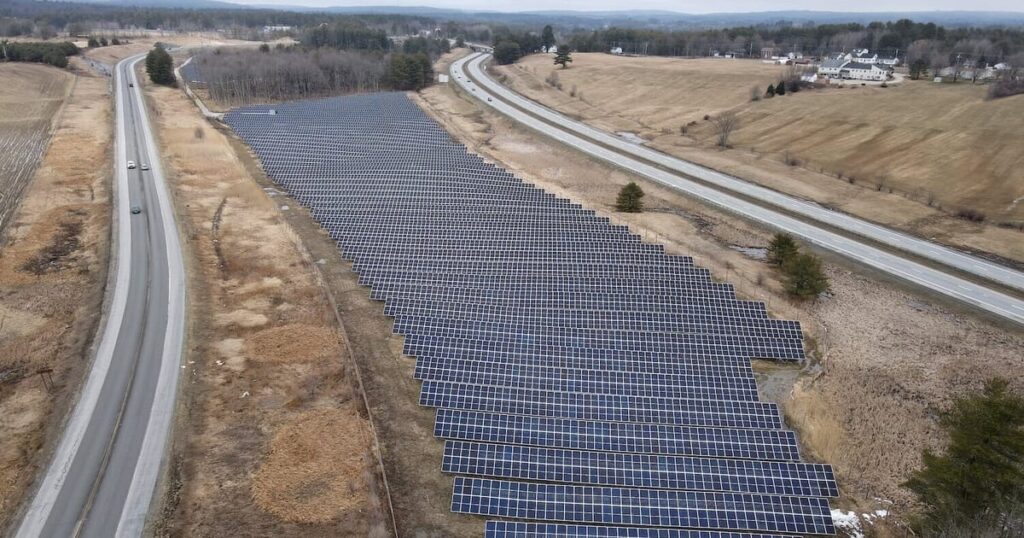
Maine’s newly created Department of Energy Resources saw potential in this opportunity and reached out to the state’s utility commission, which voted to join Connecticut’s procurement. This move does not mean Maine will necessarily choose the same projects as its New England neighbor, just that it will have the opportunity to assess the same bids against its own criteria and needs.
The hope is that, by pooling demand and sharing information, both states will emerge with more efficient and viable projects at lower prices for residents.
“It makes a lot of sense for a state like Maine to piggyback on their efforts and hopefully enter into contracts for a share of the capacity that gets bid in cost-effectively,” said Jamie Dickerson, senior director of climate and clean-energy programs at Acadia Center, an advocacy group.
Both Connecticut and Maine have previously attempted to collaborate with other states on renewable-energy procurements, though not on quite as tight a timeline.
In 2022, Massachusetts agreed to buy 40% of the power produced by a planned onshore wind farm in northern Maine, though that development stalled when a deal for an associated transmission line fell through. In 2023, Connecticut, Massachusetts, and Rhode Island announced a three-state offshore wind solicitation; in the end, Connecticut declined to choose any of the bidders, although the two other participating states contracted nearly 2.9 GW of capacity.
Whether this latest endeavor yields any joint procurements remains to be seen, but Pullaro is confident that it will not be the last cooperative effort among New England states as the tax-credit deadline looms.
“The states are having a lot of conversations,” he said.
{
if ($event.target.classList.contains(‘hs-richtext’)) {
if ($event.target.textContent === ‘+ more options’) {
$event.target.remove();
open = true;
}
}
}”
>