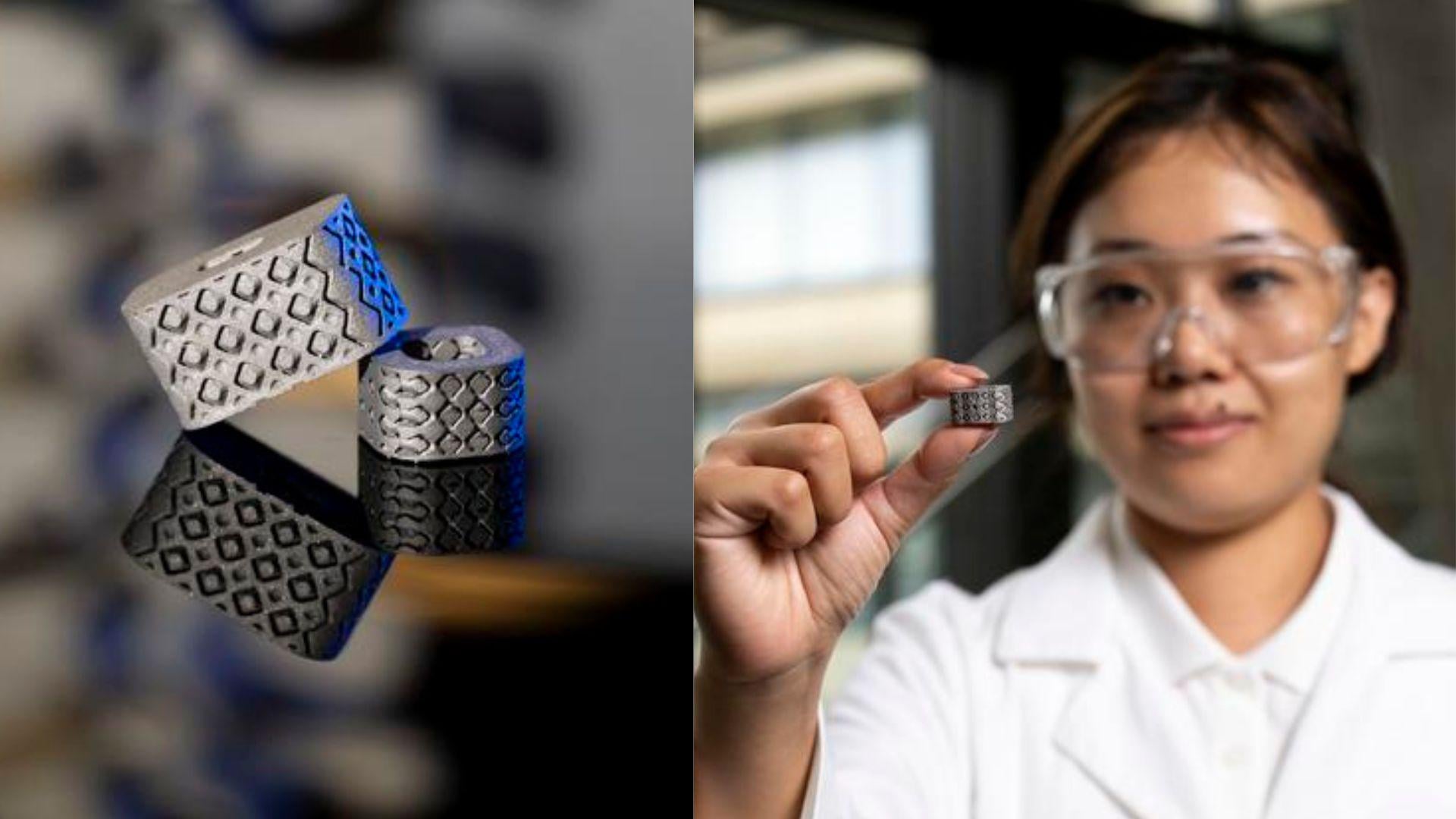
World’s first self-powered spinal implant transmits healing data from inside the body
https://interestingengineering.com/health/battery-free-spinal-implant-real-time-tracking

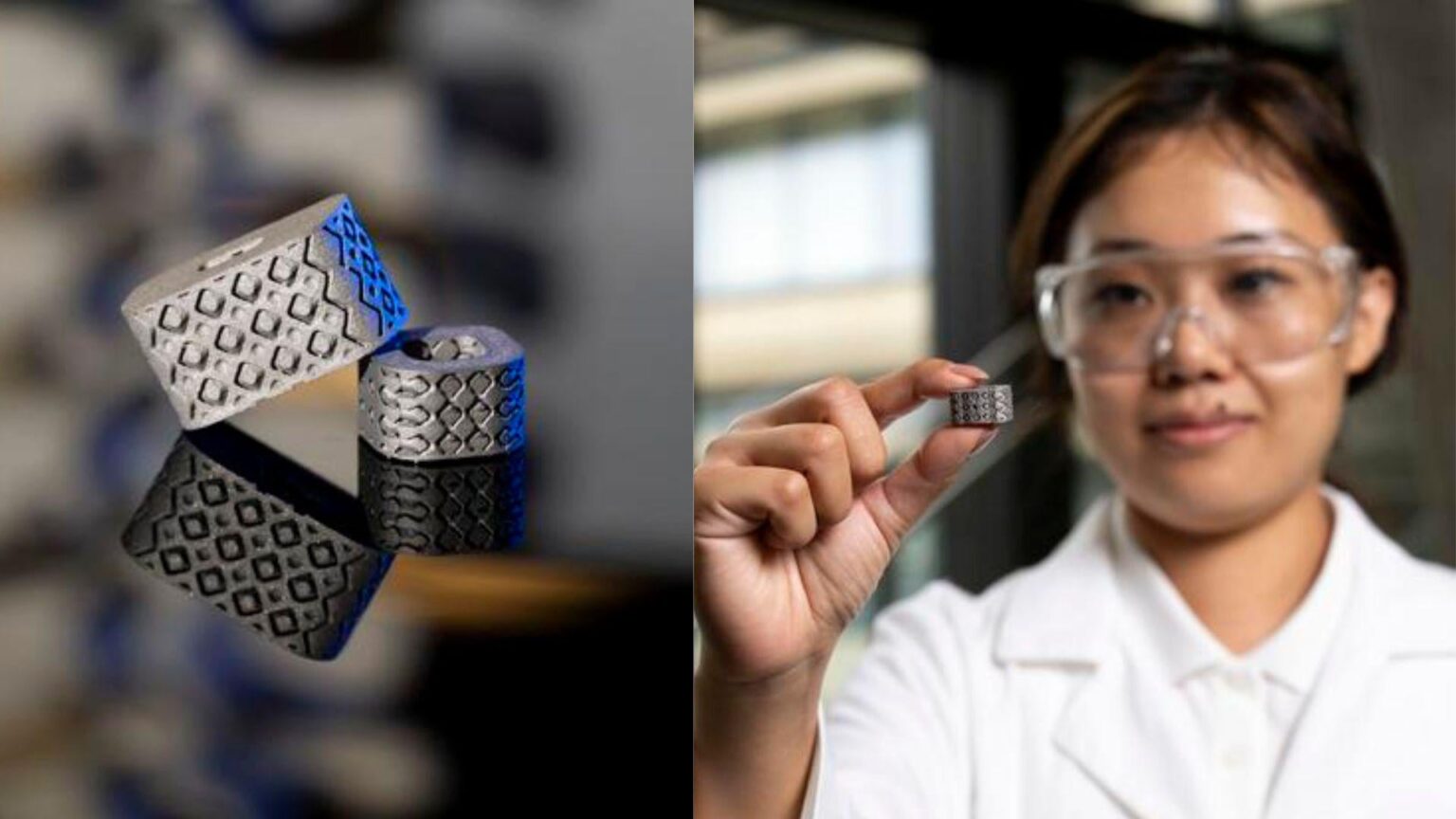
World’s first self-powered spinal implant transmits healing data from inside the body
https://interestingengineering.com/health/battery-free-spinal-implant-real-time-tracking
1 Comment
Each year, nearly a million Americans undergo spinal fusion surgery. The procedure fuses two vertebrae using a metal cage and bone graft, held together by screws and brackets. Recovery monitoring still relies on X-rays and patient symptoms.
“After implanting the hardware, we monitor it using X-rays and symptoms presented by the patient,” said Agarwal, co-principal investigator and associate professor in the Department of Neurological Surgery.
“This means patients have to make in-person visits and subject themselves to radiation.”
Since the healing process is hard to monitor continuously, Agarwal said it’s not a connected healthcare experience. Although implantable wireless devices exist, they depend on batteries and electronics, limiting their longevity.