
Published on
October 31, 2025

Zagori, an enchanting region in northwestern Greece, has taken a significant step toward balancing tourism growth with the preservation of its cultural and architectural legacy. As of this year, visitors staying in hotels or short-term rental accommodations in the area will be required to pay a €0.75 “culture fee” per night. This fee, introduced by the local municipality, is a pioneering move within Greece and aims to ensure that the region’s UNESCO World Heritage-listed treasures are maintained for future generations.
Preserving Zagori’s Unique Heritage
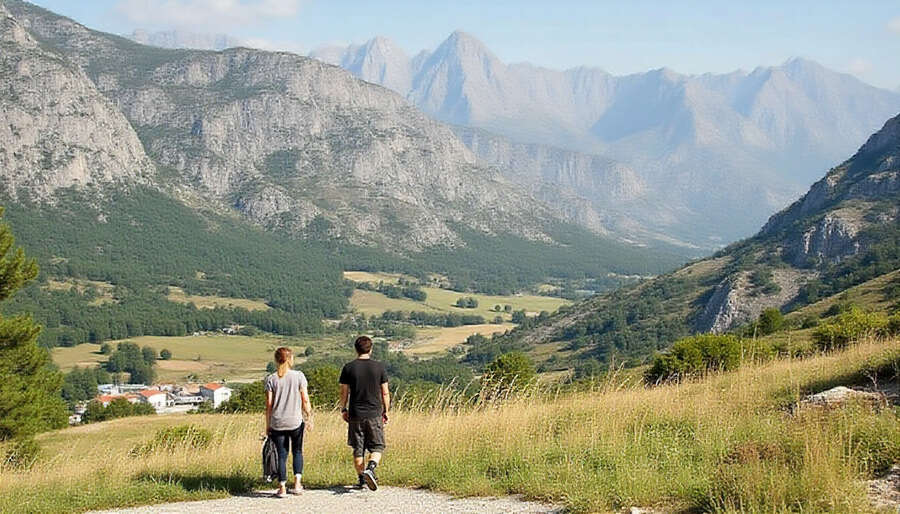
Zagori, renowned for its centuries-old stone villages, iconic bridges, and scenic mountain landscapes, was recently recognized as a UNESCO World Heritage site. This prestigious recognition has amplified the region’s popularity among travelers seeking to experience its unspoiled beauty and rich history. However, with an increase in tourism, local authorities have expressed concern about the potential strain on the region’s environment and cultural resources.
In response to this growing challenge, the culture fee has been introduced. This small charge will be added to accommodation invoices and paid before departure. The revenue generated from the fee will be used specifically to fund preservation projects aimed at protecting Zagori’s cultural heritage and maintaining the area’s distinctive traditional architecture, natural landscapes, and local way of life.
Ensuring Sustainable Tourism
The culture fee is part of a broader effort to promote sustainable tourism in the region. While tourism is a vital contributor to the local economy, it also places pressure on the resources that make Zagori so unique. The fee, though modest, aims to channel funds directly back into the community to help manage the impact of tourism on the area’s historical sites, such as the stone bridges, ancient pathways, and traditional homes.
In addition to preserving these historical elements, the culture fee will fund eco-friendly projects to protect the region’s lush forests and crystal-clear rivers, which are major draws for nature enthusiasts. This initiative underscores the importance of maintaining Zagori’s balance as a sought-after destination while ensuring its sustainability in the long term.
A Responsible Approach to Cultural Tourism
Zagori’s introduction of the culture fee follows a global trend where tourism revenues are used to support the conservation of UNESCO World Heritage sites and other culturally significant destinations. Many regions worldwide, including Venice and Machu Picchu, have implemented similar fees to mitigate the impact of tourism and fund preservation efforts. Zagori’s model is unique in its direct connection between tourism revenue and local heritage conservation.
The small fee serves as an important reminder to tourists that their visit contributes directly to the region’s conservation efforts. It highlights how responsible tourism can create a positive impact, helping to ensure that the cultural and natural assets of a destination remain intact for future generations to appreciate.
Engaging the Local Community
A key feature of the culture fee is the involvement of the local community in the decision-making process regarding how the funds are spent. A committee will be established to oversee the allocation of the revenue, with representatives from the municipality and various governmental agencies. This committee will ensure that the funds are used effectively and transparently for projects that benefit both the environment and the local population.
By giving the local community a role in managing the revenue, Zagori is empowering its residents to take ownership of their heritage. This sense of community involvement is essential for the success of any conservation initiative, as it fosters pride and a collective responsibility toward preserving the region’s unique character.
Boosting Local Development through Tourism
The funds generated from the culture fee will not only be used for heritage conservation but also to support sustainable tourism infrastructure in the region. Investments could include improving walking paths, creating educational centers about the area’s history, and enhancing transportation options to reduce environmental impact. Additionally, the funds will help ensure that the benefits of tourism extend to the local community, creating economic opportunities for residents through projects such as local artisan workshops, farm-to-table dining experiences, and small-scale tourism ventures.
By investing in the region’s sustainable development, the culture fee helps to create a tourism model that is beneficial to both visitors and residents. This ensures that the economic advantages of tourism are distributed fairly, contributing to the region’s long-term prosperity without compromising its cultural heritage.
A Model for the Future
Zagori’s culture fee represents an innovative approach to balancing tourism and heritage conservation. As tourism continues to grow globally, more destinations are looking for ways to protect their cultural and environmental resources while still welcoming visitors. The introduction of this fee in Zagori could inspire other regions, both in Greece and beyond, to adopt similar measures to safeguard their own unique cultural assets.
Zagori’s approach shows that it is possible to promote tourism without sacrificing the very qualities that make a destination special. By prioritizing preservation, the region ensures that future generations will be able to enjoy its historical landmarks, natural beauty, and authentic way of life.
Conclusion
Zagori’s implementation of the culture fee is a forward-thinking move aimed at ensuring the region’s sustainability while preserving its UNESCO-listed heritage. By charging a small fee, the municipality is creating a direct link between tourism revenue and conservation efforts. This model offers a blueprint for responsible tourism that benefits both the local community and the environment, ensuring that Zagori’s cultural treasures remain intact for years to come. In this way, Zagori is not only preserving its past but securing a vibrant future for its residents and visitors alike.
